

Ferenc Liszt Academy of Music
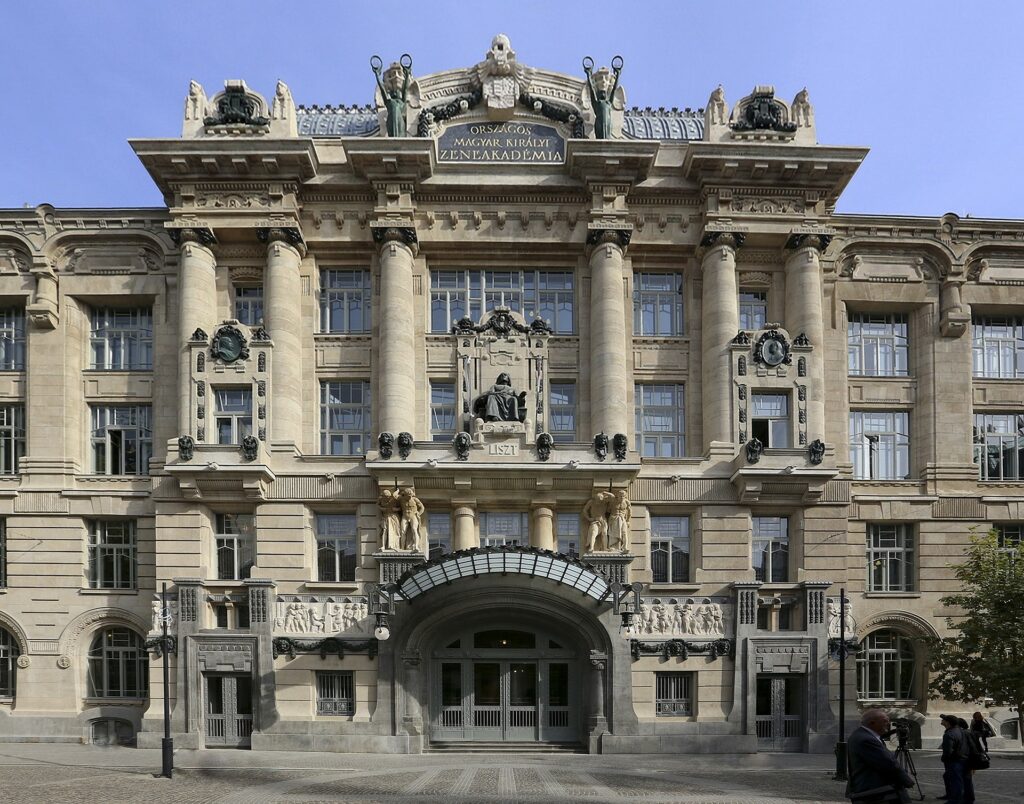
The Ferenc Liszt Academy of Music in Budapest is one of the most prestigious and renowned musical institutions in the world. Founded in 1875 by the famous Hungarian composer Ferenc (Franz) Liszt, the academy not only continues the tradition of high-level musical education, but is also a vibrant cultural center, hosting concerts, conferences, and international […]
Fishermen’s Bastion

The Fisherman’s Bastion (Halászbástya) in Budapest is one of the most iconic monuments in the city, located in the Castle District of Buda. This extraordinary architectural complex, built between 1895 and 1902, celebrates the millennium of the foundation of the Hungarian state, commemorating the arrival of the Magyar tribes in the Carpathian Basin in 896 […]
Fővám Square
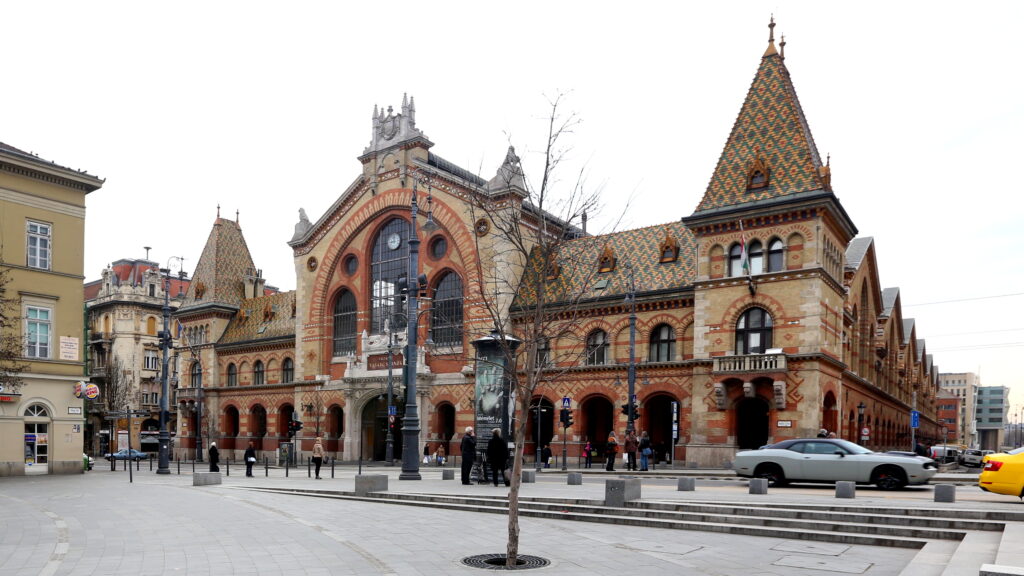
Fővám Square, located in the heart of Budapest, is a square rich in history and culture, serving as a lively crossroads between the Danube and some of the city’s most iconic attractions. Originally known as “Salt Square” because of the salt warehouse that was located there, the square was renamed after the construction of the […]
Falk Miksa Street
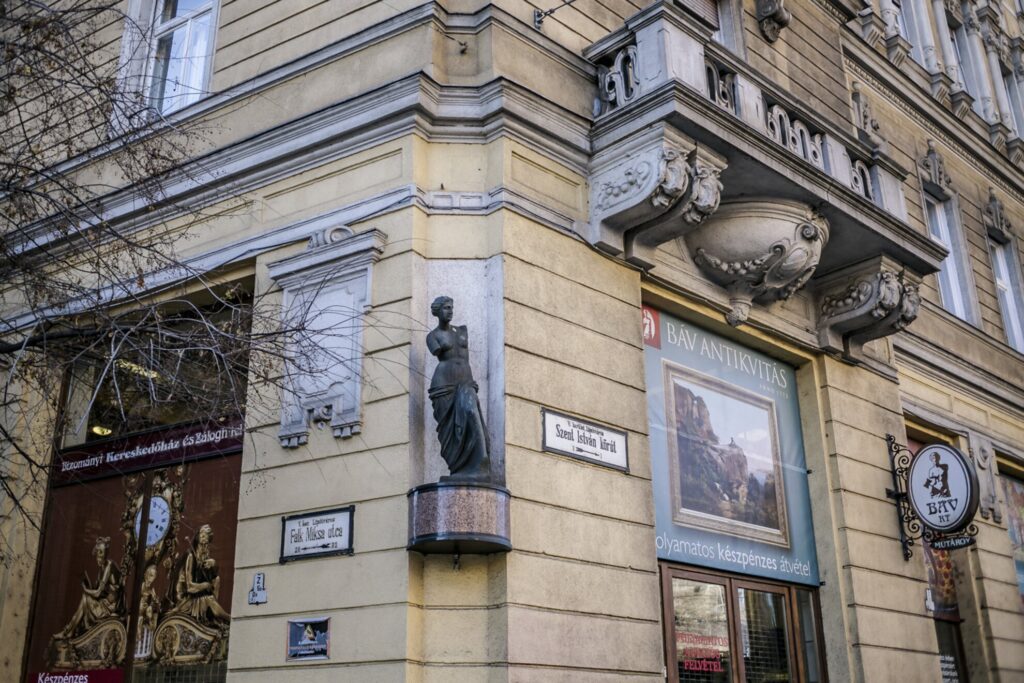
Falk Miksa Street, located in the heart of Budapest, is one of the most fascinating and culturally rich streets in the city. Also known as Budapest’s “Antique Row,” this street stretches from Kossuth Lajos Square, near the Parliament, to Jászai Mari Square and the Grand Boulevard. Along its path, Falk Miksa Street is lined with […]
Mihály Fazekas Memorial

The Memorial of Mihály Fazekas, located in Debrecen, celebrates the life and works of one of the most famous Hungarian poets and botanists. Mihály Fazekas, born on January 6, 1766 in Debrecen, is remembered for his significant contribution to Hungarian literature, as well as his interest in natural sciences. His life was marked by an […]
Ernst Museum
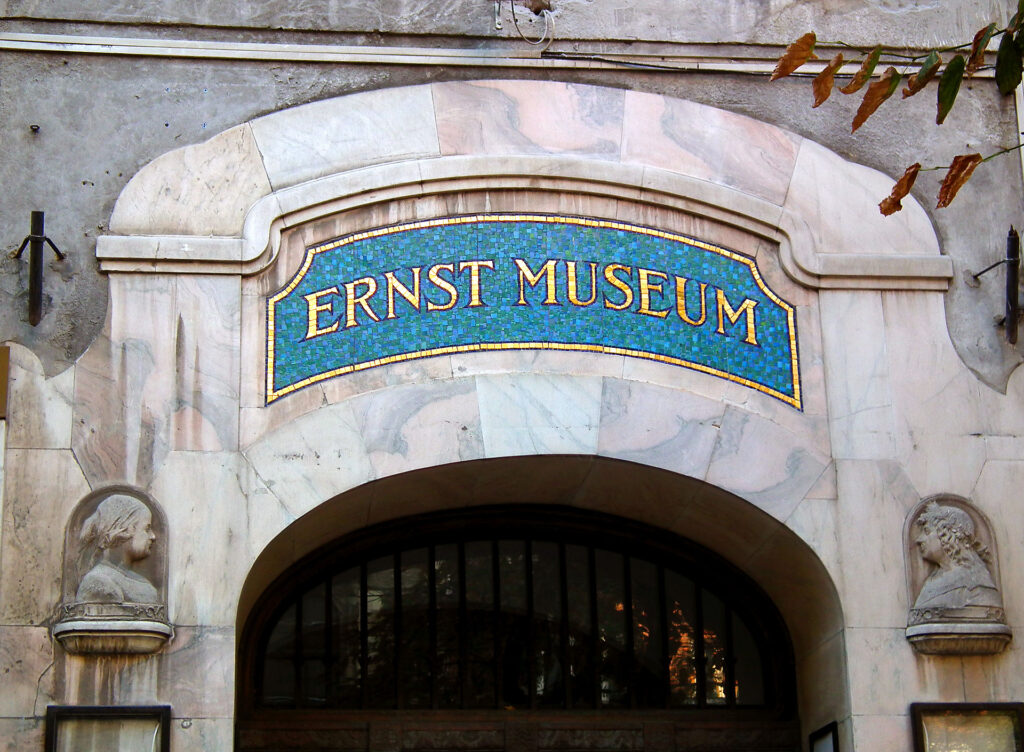
The Ernst Museum in Budapest is one of the most intriguing and historically significant cultural institutions in the city. Founded in 1912 by Lajos Ernst, an art collector of Jewish origin, the museum is located in the lively Nagymező Utca district, often compared to the “Broadway of Budapest” for its rich offering of theaters and […]
Ethnographic Museum
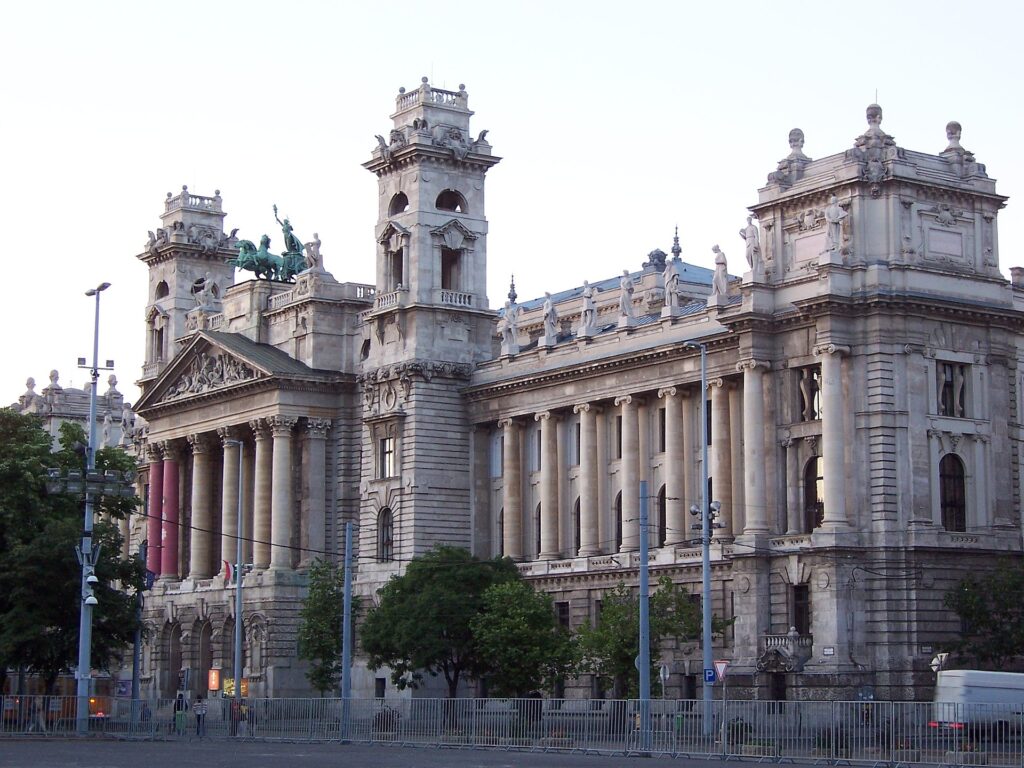
The Ethnographic Museum of Budapest, known as Néprajzi Múzeum, is one of the most significant and renowned institutions in Europe in the field of ethnography. Founded in 1872 as part of the Hungarian National Museum, the museum has played a crucial role in preserving and celebrating the cultural diversity and folk traditions of Hungary and […]
Dohány Street Synagogue
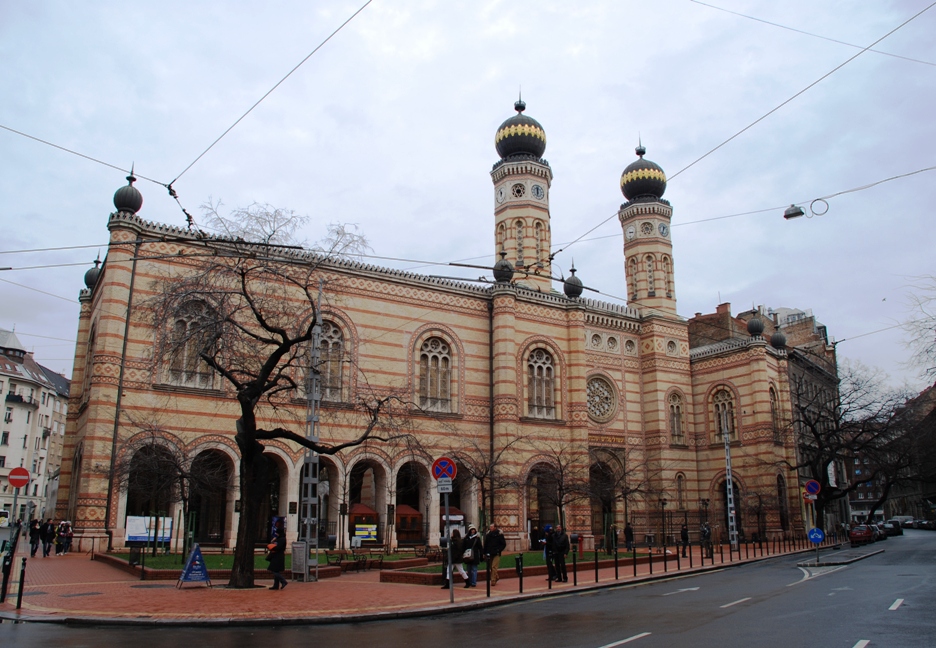
The Dohány Street Synagogue, located in the heart of the Jewish quarter of Budapest, is the largest synagogue in Europe and one of the largest in the world. Also known as the Great Synagogue, it represents not only a place of worship but also an important historical and cultural symbol for the Hungarian Jewish community […]
Elizabeth Bridge
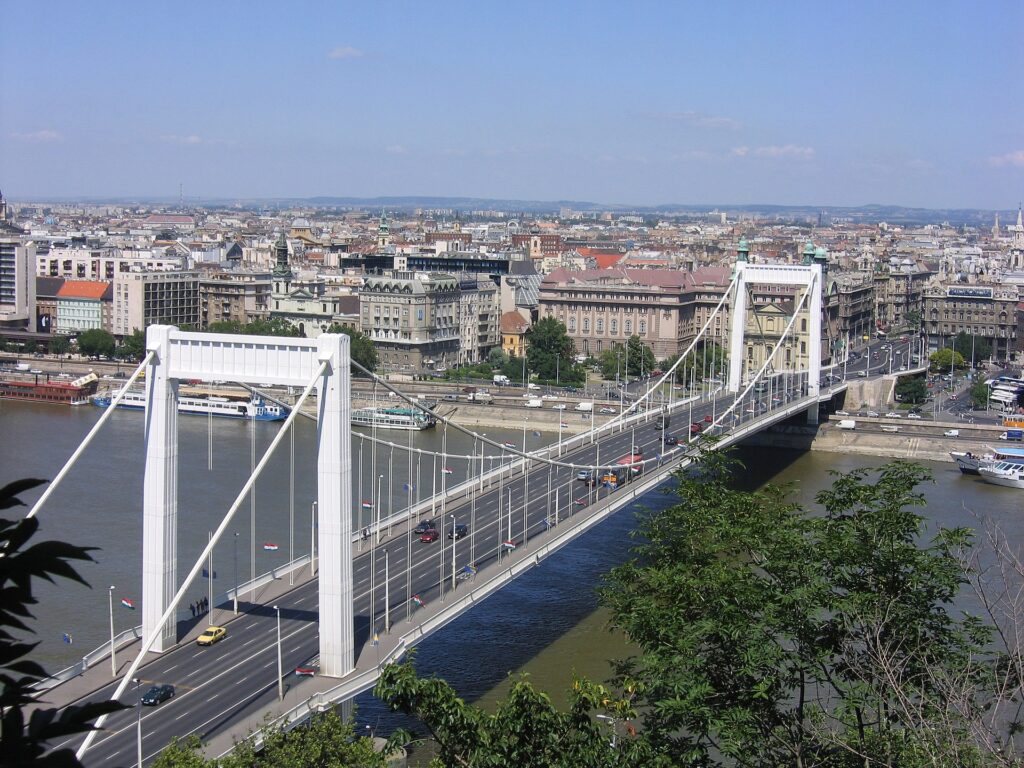
The Elisabeth Bridge, also known as Erzsébet híd in Hungarian, is one of the most iconic structures in Budapest. Connecting Buda and Pest, it crosses the Danube at the narrowest point of the city, with a length of 290 meters. The bridge is named after Elisabeth of Bavaria, Empress of Austria and Queen of Hungary, […]
Eötvös Loránd University

Eötvös Loránd University in Budapest, also known as ELTE, is one of Hungary’s oldest and most prestigious academic institutions. Founded in 1635 by Cardinal Péter Pázmány as the University of Nagyszombat (now Trnava, Slovakia), it played a crucial role in the development of higher education in Hungary and continues to be a beacon of academic […]
