

Church of Santa Maria Maggiore
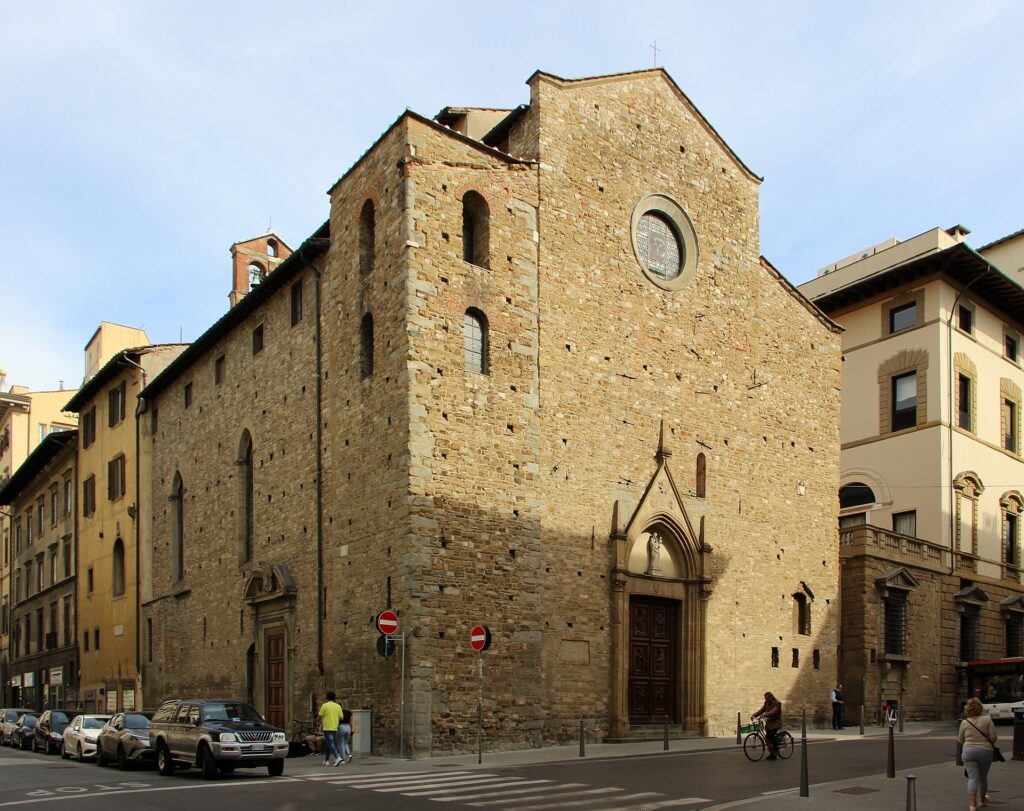
The Church of Santa Maria Maggiore, located in the heart of Florence, is a place rich in history and art, reflecting the centuries of transformations and events that have marked the city. Its origins date back to the 8th century, when it was built as one of the first Marian churches in the city. Over […]
River Arno

The Arno is the main river of Tuscany, known for its fundamental role in the history, economy, and culture of the region. With a length of about 241 kilometers, it originates on Mount Falterona, in the Tuscan-Emilian Apennines, passes through Florence and Pisa, and flows into the Ligurian Sea. The course of the river has […]
Villa La Petraia
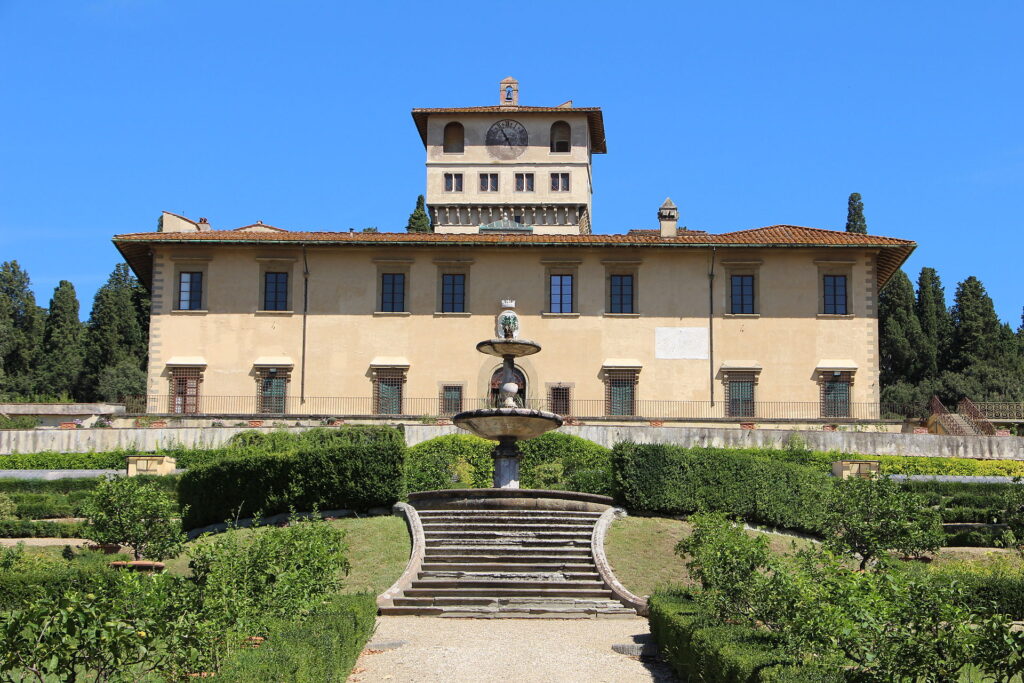
Villa La Pietra, located on the hills north of Florence along Via Bolognese, is an architectural gem of the Renaissance and a testament to the rich cultural history of the region. Originally built in the 15th century for the Sassetti family, the villa represents the elegance and power of Florentine families during the Renaissance. Francesco […]
Strozzi Palace
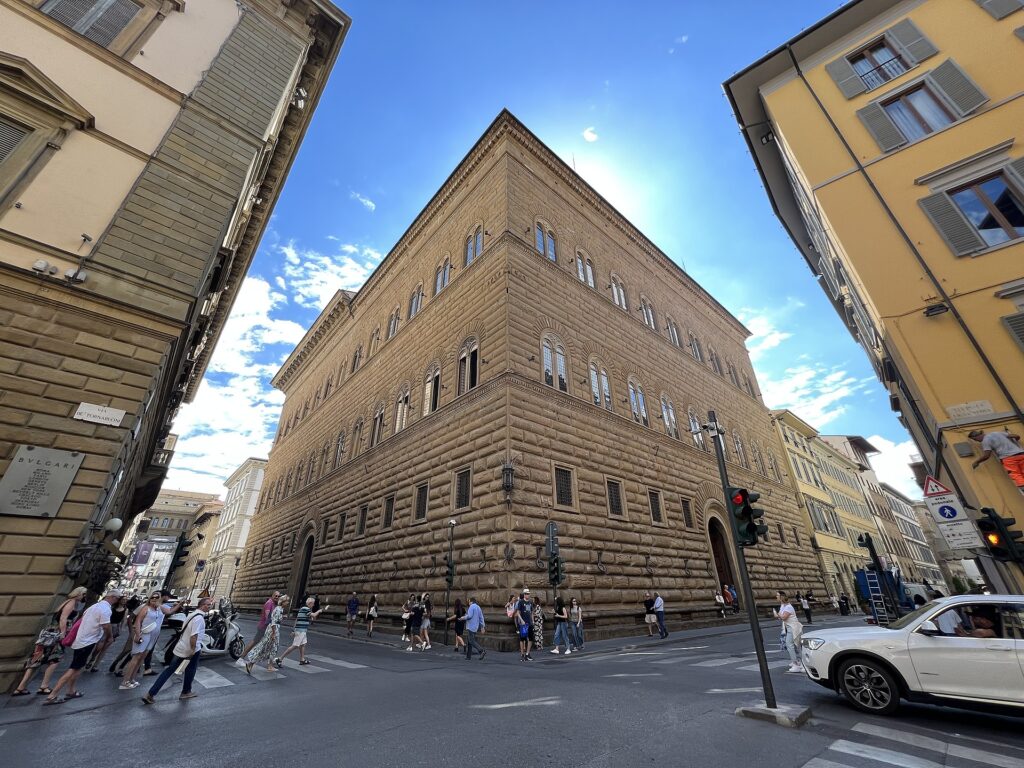
Palazzo Strozzi, located in the heart of Florence, represents one of the most significant examples of Florentine Renaissance architecture. Built between 1489 and 1538 at the behest of Filippo Strozzi, a wealthy merchant eager to compete with the Medici family, the palace is a symbol of the power and prestige of the Strozzi family. Filippo […]
Michelangelo Square

Piazzale Michelangelo is one of the most iconic places in Florence, offering a breathtaking panoramic view of the city. Located on the hill south of the Arno River, the square was designed by architect Giuseppe Poggi in 1869, during the city’s redevelopment when Florence was the capital of Italy. The project was part of a […]
Rucellai Palace

The Rucellai Palace in Florence is a paradigmatic example of Renaissance architecture, designed by Leon Battista Alberti and built between 1446 and 1451. Located on Via della Vigna Nuova, this building was commissioned by the wealthy merchant Giovanni Rucellai, a friend and supporter of Alberti. The work represents a perfect synthesis of the ancient and […]
Pitti Palace

Palazzo Pitti, an imposing Renaissance building located in the Oltrarno area of Florence, is one of the symbols of the power and prestige of the Medici family. Built in 1458 at the behest of the banker Luca Pitti, it was purchased by the Medici in 1549, becoming the main residence of the Grand Dukes of […]
Church of Orsanmichele
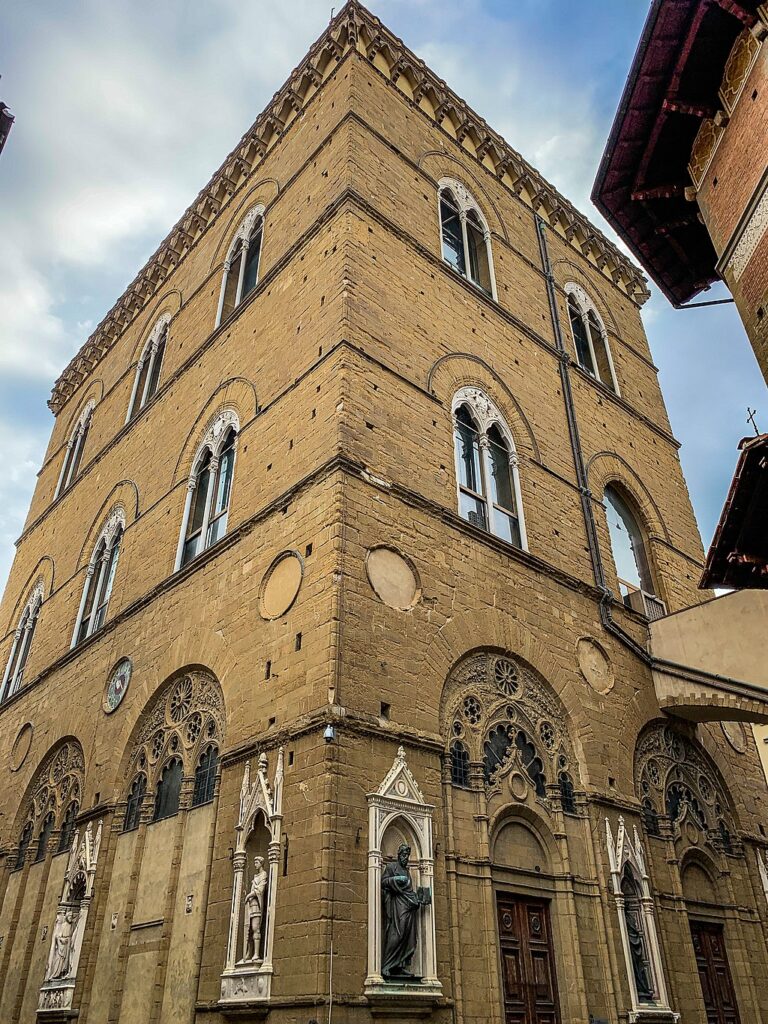
Orsanmichele is one of the most fascinating and historically significant buildings in Florence. Located in the heart of the city, at the intersection of Via Calzaiuoli and Via dell’Arte della Lana, this building represents a perfect example of how architecture, art, and social function can intertwine in a single space. The history of Orsanmichele begins […]
Medici Riccardi Palace
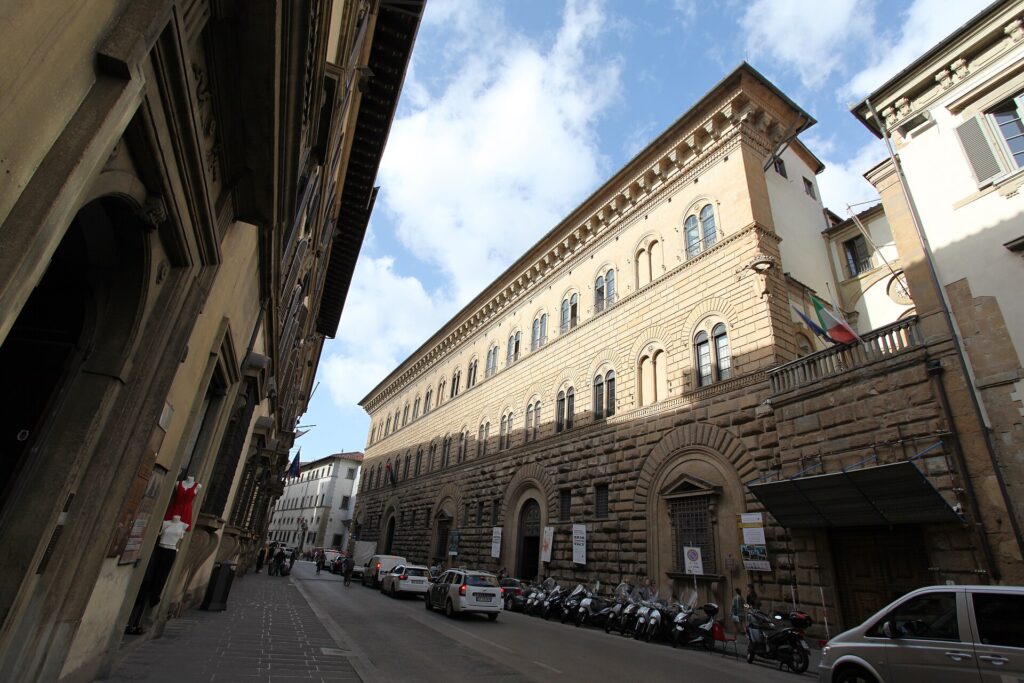
The Medici Riccardi Palace, located in the heart of Florence, is a symbol of Renaissance power and beauty, reflecting the influence and wealth of the Medici family. Its construction began in 1444, commissioned by Cosimo the Elder de’ Medici, entrusted to the renowned architect Michelozzo di Bartolomeo. This palace represents one of the first examples […]
Medici Villa of Poggio a Caiano
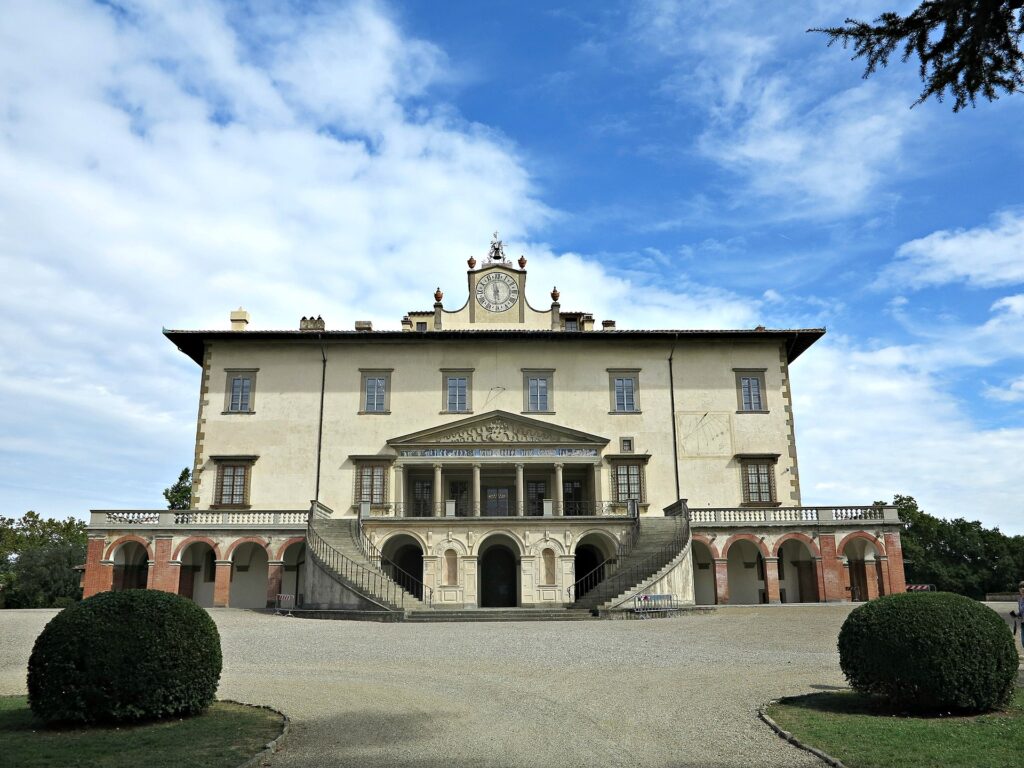
The Medici Villa of Poggio a Caiano, located on the Tuscan hills a few kilometers from Florence, is one of the most important examples of Renaissance architecture, harmoniously combining classical elements with characteristics of Tuscan rural architecture. Commissioned by Lorenzo de’ Medici in 1485 and designed by Giuliano da Sangallo, the villa represents a masterpiece […]
