

Via del Babuino
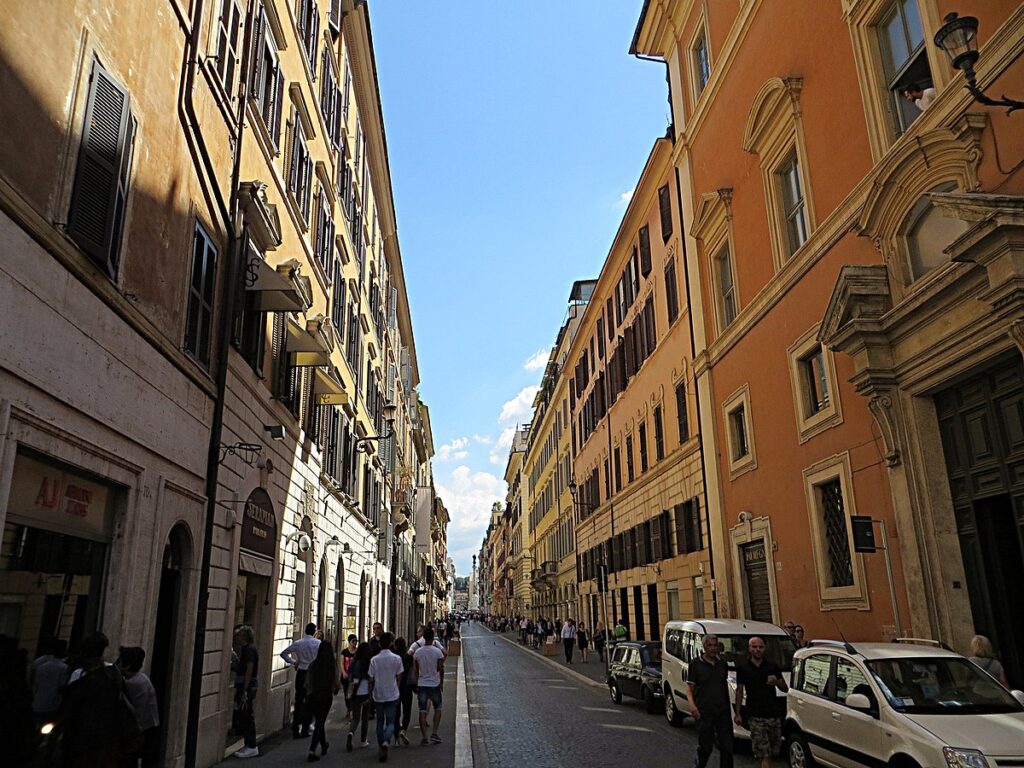
Via del Babuino is one of the most iconic and fascinating streets in Rome, located in the heart of the eternal city. Part of the so-called “Tridente” along with Via del Corso and Via di Ripetta, Via del Babuino connects Piazza del Popolo to Piazza di Spagna, making it one of the most popular pedestrian […]
Via dei Coronari

Via dei Coronari is one of the most fascinating and historic streets in Rome, located in the Ponte district. With its cobblestone pavement and Renaissance buildings on both sides, the street represents a journey through time that takes visitors through centuries of Roman history. The name “Coronari” comes from the sellers of crowns and rosaries […]
Via Condotti

Via dei Condotti, one of the most renowned and iconic commercial streets in Rome, represents not only a place for luxury shopping, but also a significant fragment of the history and culture of the eternal city. The street stretches from the intersection with Via del Corso to Piazza di Spagna, and its name derives from […]
Baths of Trajan
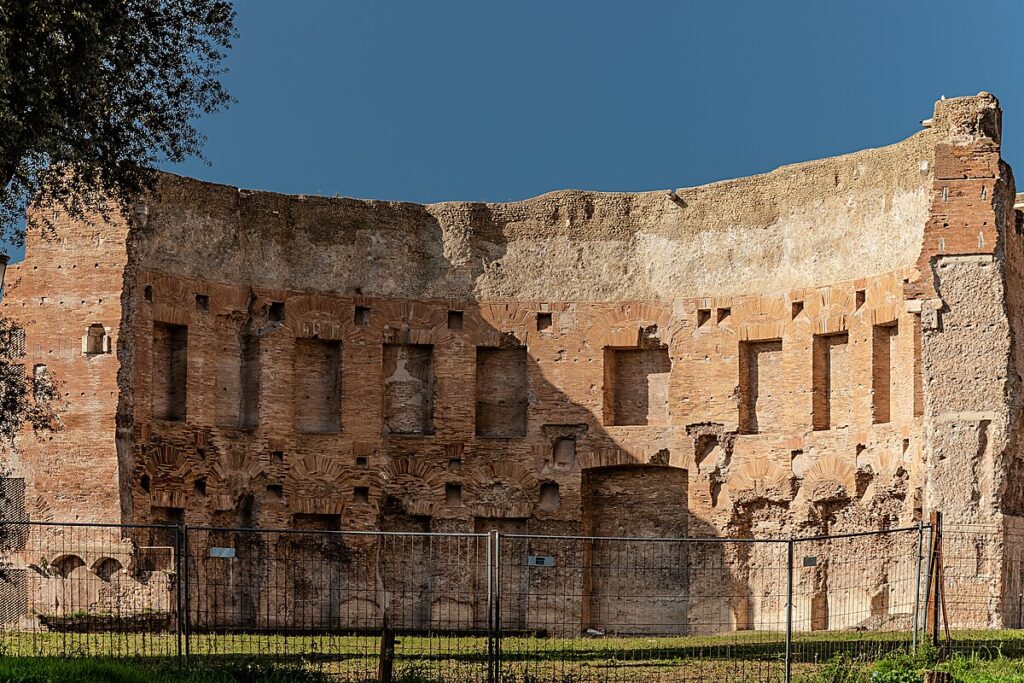
The Baths of Trajan were built by the emperor Trajan in the 2nd century AD, during the period of greatest splendor of the Roman Empire. Their construction was a titanic undertaking, requiring significant economic and human resources, but the final result was a monumental structure that soon became one of the most frequented and loved […]
Elenian Baths
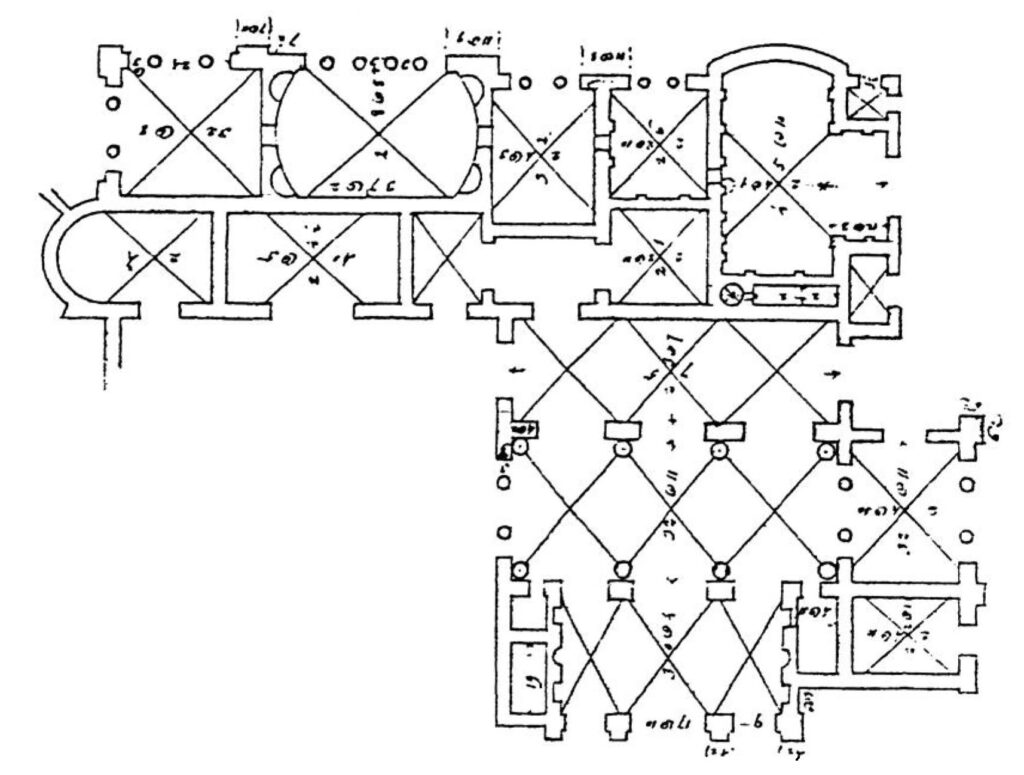
The Helenian Baths, also known as Thermae Helenianae or Thermae Helenae, represent a fascinating chapter in the history of Roman baths. Built at the beginning of the 3rd century AD, these baths were located between the Esquiline and Caelian hills, in an area known as the Horti Spei Veteris, later Horti Variani. Their name derives […]
Titus Baths
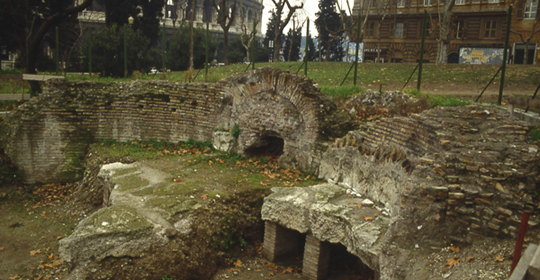
The Baths of Titus, built in 79 AD and inaugurated the following year, represent one of the oldest examples of imperial baths in Rome. Located on the Oppian Hill, these baths were built near Nero’s Domus Aurea, using part of the pre-existing structures. Emperor Titus, son of Vespasian, wanted to give back to the Roman […]
Baths of Septimius Severus
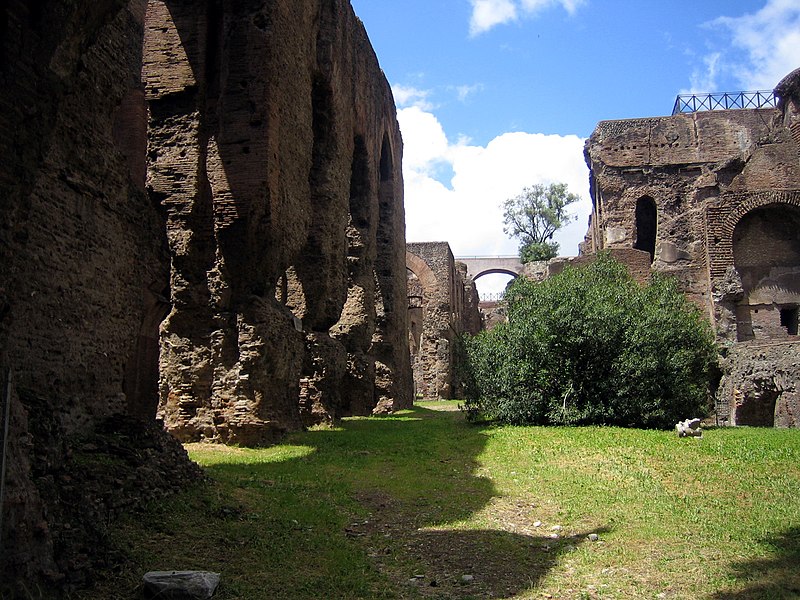
The Baths of Septimius Severus, also known as Thermae Severianae, represent one of the most significant examples of thermal architecture from the imperial era in Rome. Built by the emperor Septimius Severus between 193 and 211 AD, these baths were located on the Palatine Hill, an area already densely populated with imperial buildings and a […]
Neptune Baths
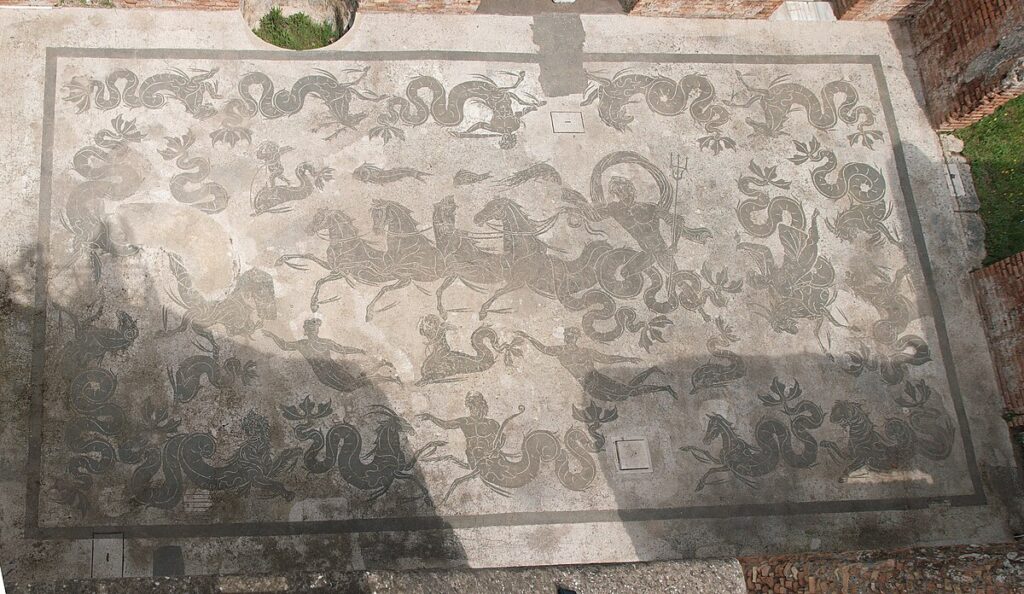
The Baths of Neptune, located in the Roman city of Ostia, are a thermal complex dating back to the end of the 1st century AD, with important reconstructions carried out under the emperor Hadrian and completed in 139 AD by the emperor Antoninus Pius. These baths, known for their magnificent mosaics, represent one of the […]
Baths of Diocletian
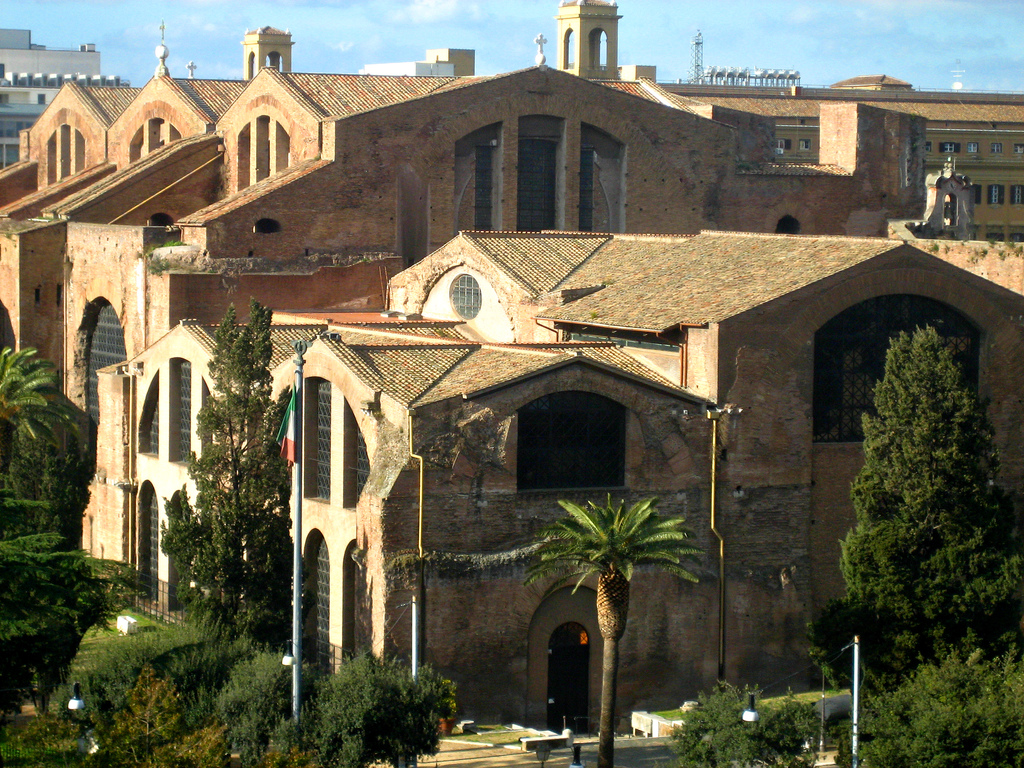
The Baths of Diocletian, located between the Viminal and Quirinal hills in Rome, represent one of the most imposing and extraordinary thermal complexes of ancient Rome. Built between 298 and 306 AD, during the reign of Emperor Diocletian and his co-emperor Maximian, the baths cover an area of about 13 hectares and could accommodate up […]
Baths of Elagabalus

The Baths of Elagabalus, located on the Palatine Hill in Rome, represent a fascinating example of Roman thermal architecture from the 3rd century AD. These baths were initially attributed to the emperor Elagabalus (also known as Marcus Aurelius Antoninus) during his brief and turbulent reign (218-222 AD), but recent excavations have revealed that the construction […]
