

Scaglia di Verrua Palace
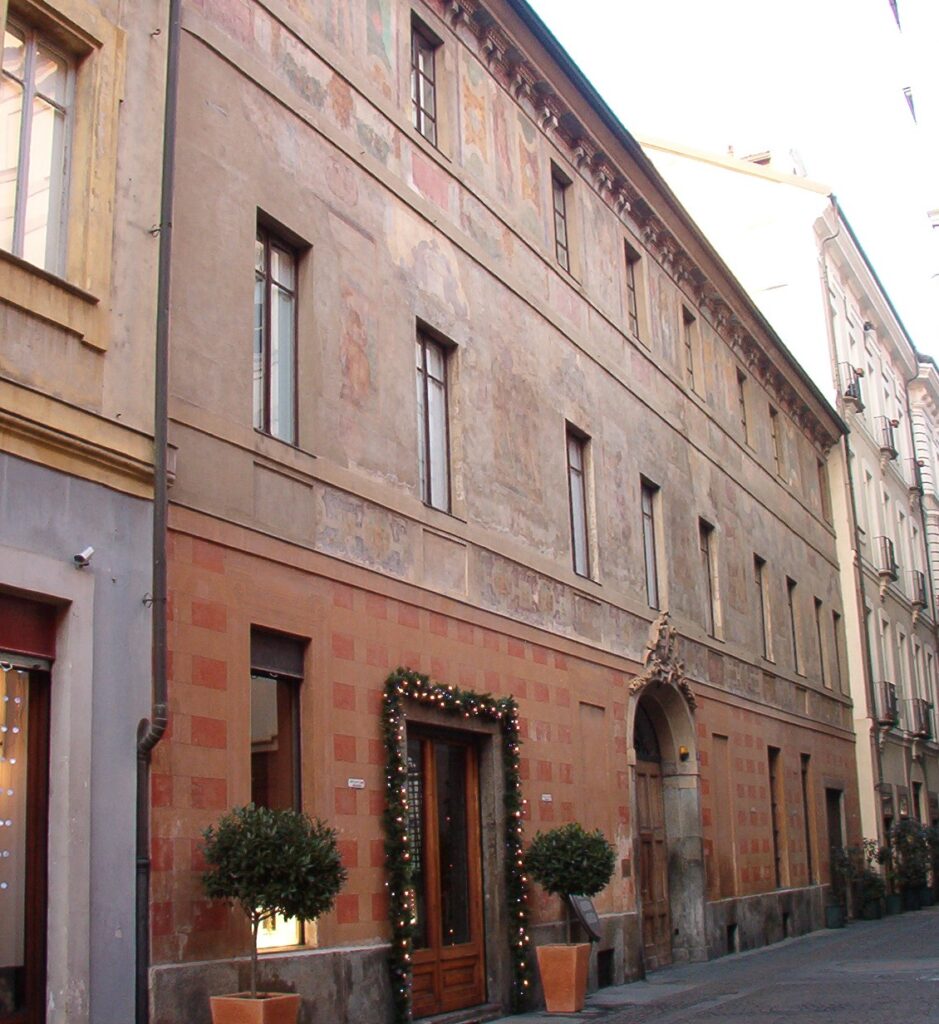
The Scaglia di Verrua Palace, located in the heart of Turin on via Stampatori, represents one of the most fascinating examples of Renaissance architecture in the city. Built between 1585 and 1604 commissioned by Abbot Filiberto Scaglia di Verrua, the palace has maintained its original structure intact, without undergoing the Baroque renovations that have affected […]
Palazzo Bricherasio
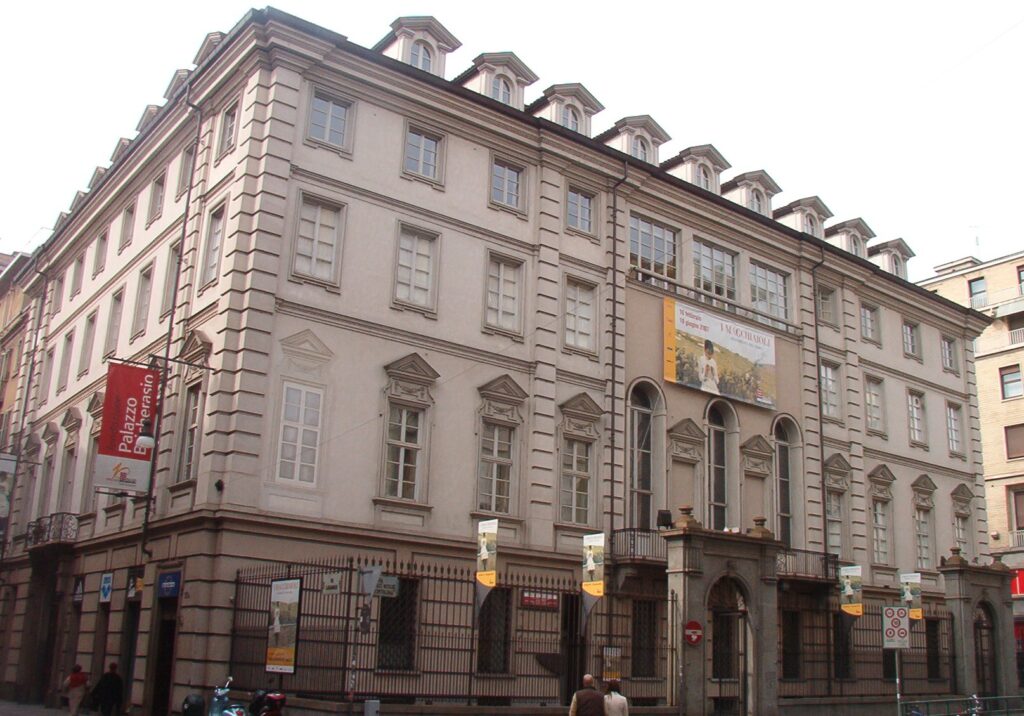
Palazzo Bricherasio, located in the heart of Turin on Via Lagrange, represents a magnificent example of seventeenth-century architecture, as well as a place of great historical and cultural significance for the city. Built in the first half of the seventeenth century, the building was initially a noble residence and has undergone several phases of transformation […]
Graneri della Roccia Palace
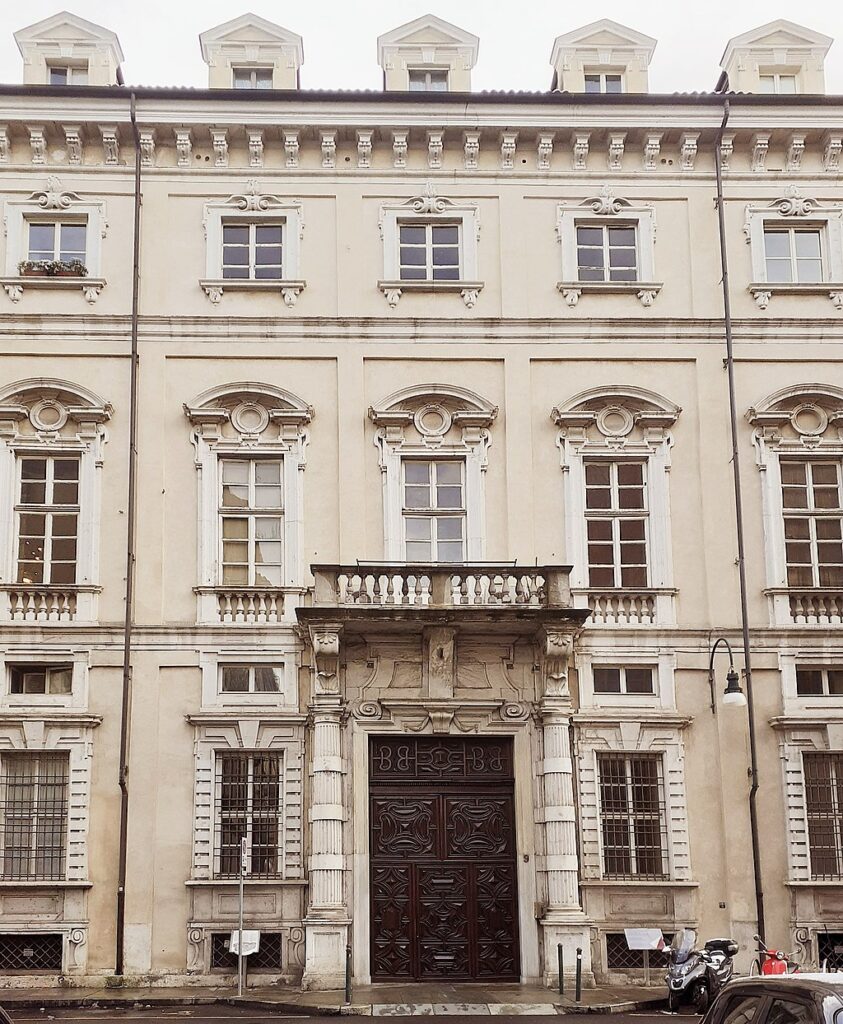
The Palazzo Graneri della Roccia, located in via Bogino in Turin, is a significant example of Piedmontese Baroque architecture. Built between 1681 and 1699 according to the design of architect Giovanni Francesco Baroncelli for Marc’Antonio Graneri, commendatory abbot of Entremont and First Almoner of the court, the palace represents one of the most prestigious noble […]
Lascaris Palace
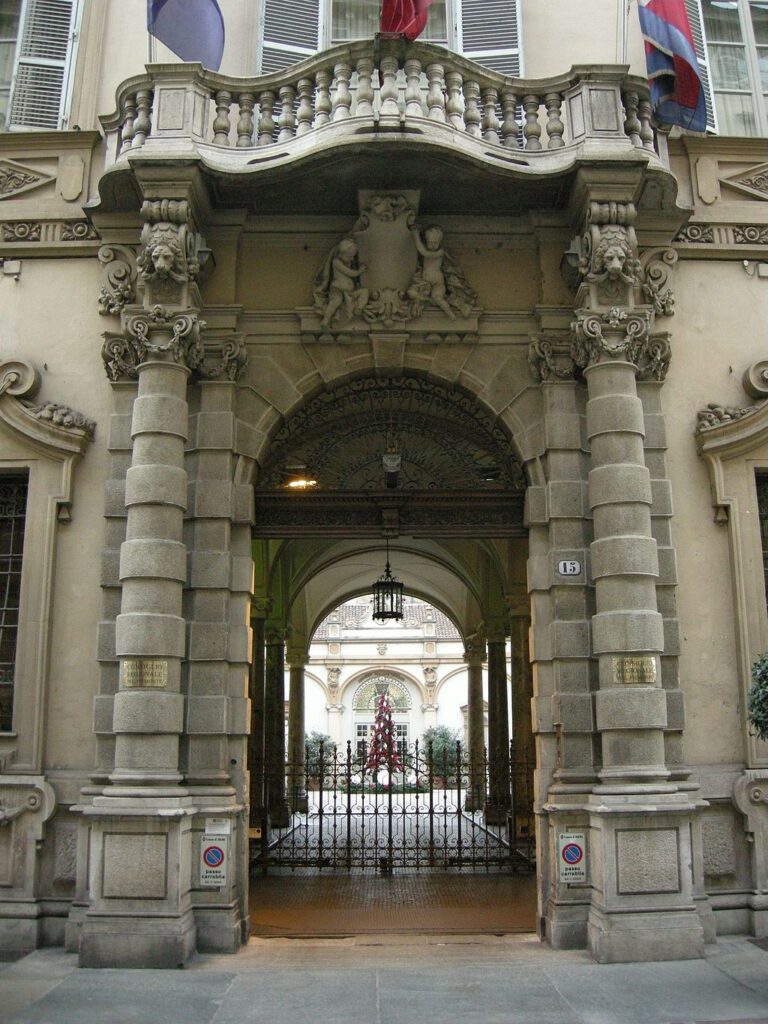
Palazzo Lascaris, located in via Alfieri in Turin, is a historically significant building, built between 1663 and 1665 according to the design of Amedeo di Castellamonte and commissioned by Count Giovanni Battista Beggiamo di Sant’Albano e Cervere. The building is an extraordinary example of Baroque architecture, characterized by a sober yet imposing facade that reflects […]
Cisterna Palace
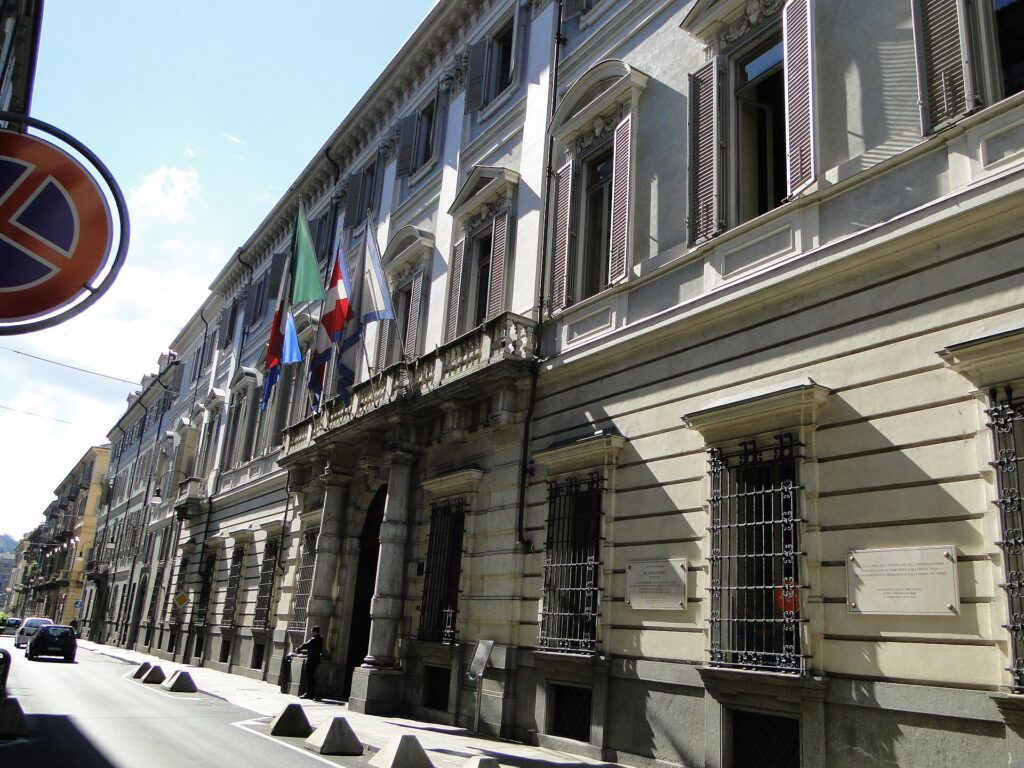
Palazzo Cisterna, also known as Palazzo dal Pozzo della Cisterna, is one of the architectural gems of Turin, located at via Maria Vittoria 12. Built starting from 1675 at the request of the Ripa di Giaglione family, the initial project is attributed to architects Antonio Maurizio Valperga or his brother Andrea. Subsequently, the palace became […]
Olympic Stadium Grande Torino
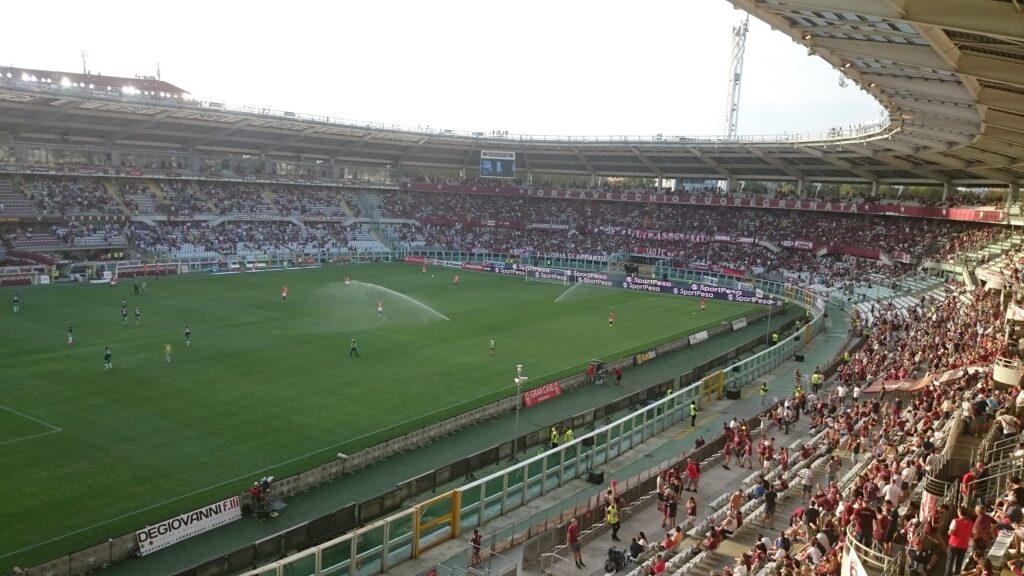
The Stadio Olimpico Grande Torino is an icon of Italian sports and a symbol of the city of Turin. Built in 1933 and inaugurated under the name Stadio Municipale Benito Mussolini, the facility was designed by engineer Riccardo Morandi and architect Enrico Bonicelli, as part of fascist urban planning. The original project included a multi-purpose […]
Roman Quadrilateral
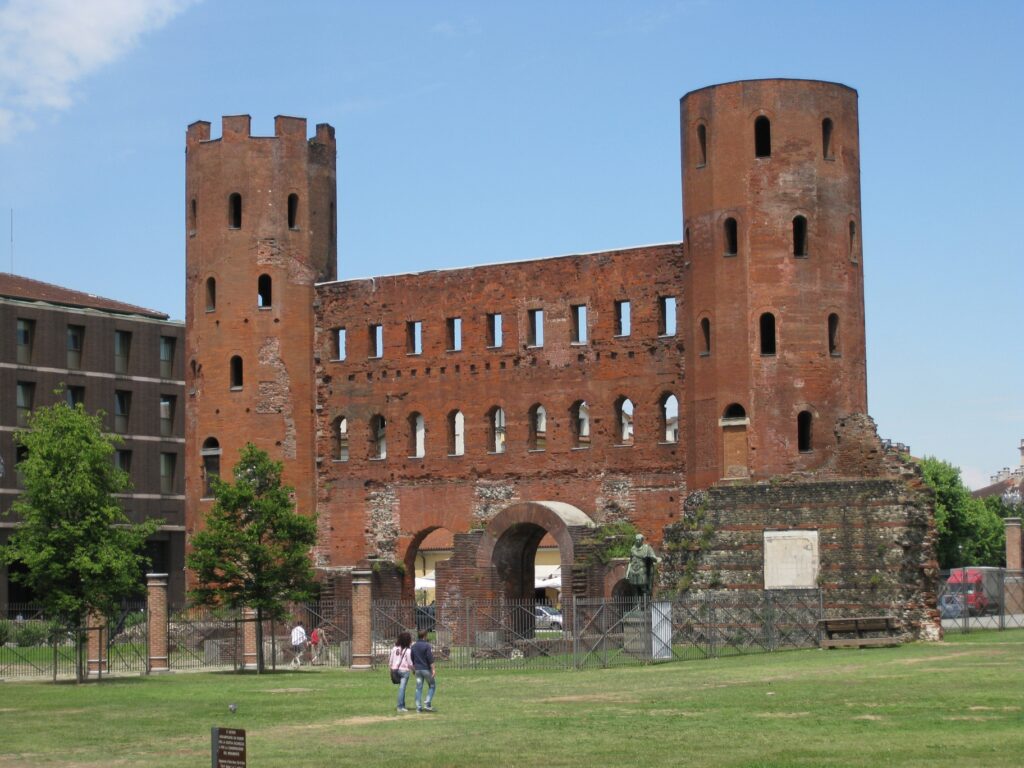
The Roman Quadrilateral of Turin is one of the most fascinating neighborhoods in the city, a place where ancient history blends with the liveliness of modern life. This neighborhood developed on the ancient Roman castrum, founded around 28 B.C. during the reign of Emperor Augustus, as a strategic point on the road to Gaul, connecting […]
Museum of Anthropology and Ethnography

The Museum of Anthropology and Ethnography of Turin, located at the University of Turin, is one of the most fascinating and historically rich institutions in the city. Founded in 1923 by Professor Giovanni Marro, the museum was established as part of the new Institute of Anthropology and has gradually expanded its collections over the years. […]
Church of San Filippo Neri
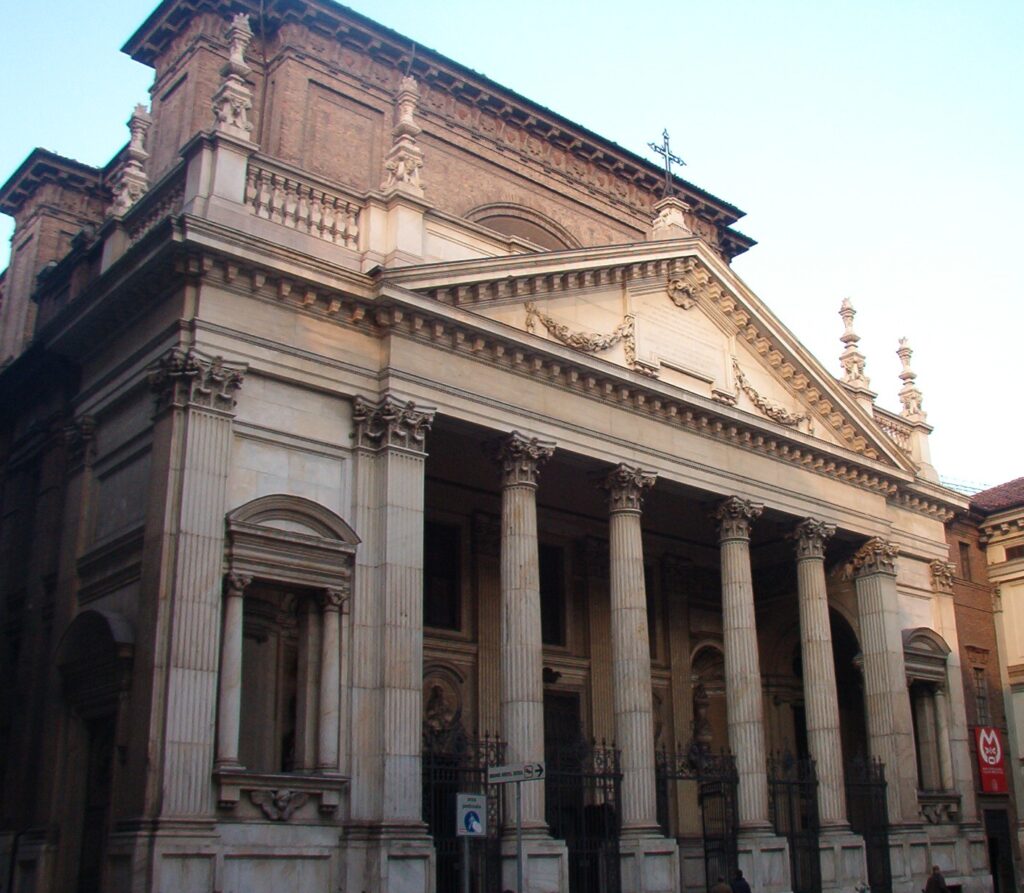
The Church of San Filippo Neri in Turin is a remarkable example of Baroque architecture and one of the most significant places of worship in the city. Located on Via Maria Vittoria, the church represents the largest religious building in Turin, with a length of 69 meters and a width of 37 meters. Construction began […]
Cinema Museum
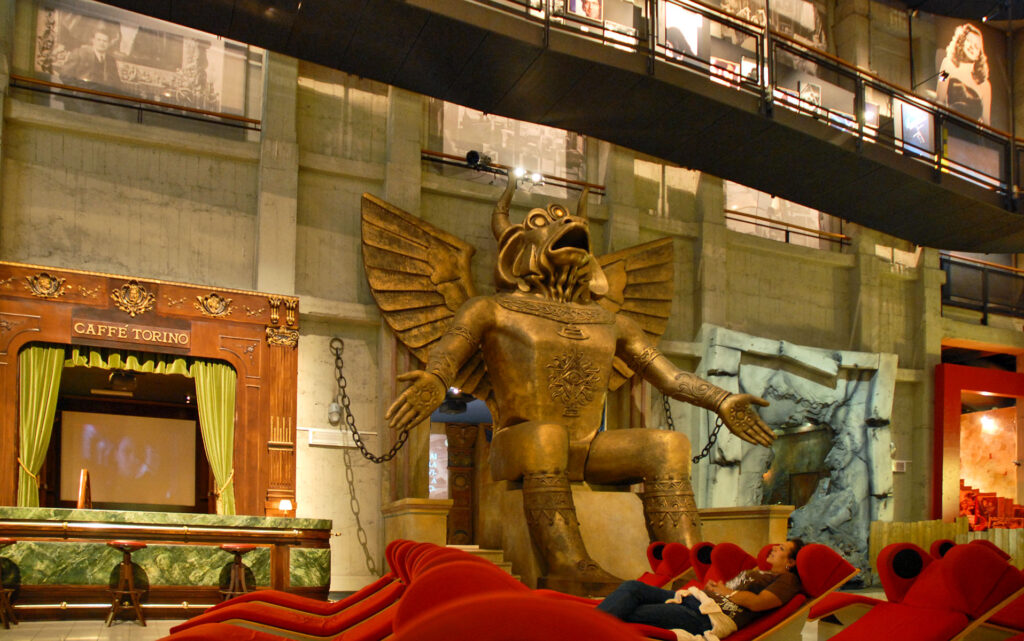
The National Cinema Museum of Turin is an institution of international relevance located in the historic Mole Antonelliana, a symbol of the city. Founded in 1958 by the cinema historian Maria Adriana Prolo, the museum represents a journey through the history of cinema, from its origins to the present day. The current headquarters in the […]
