

Lisbon Oceanarium
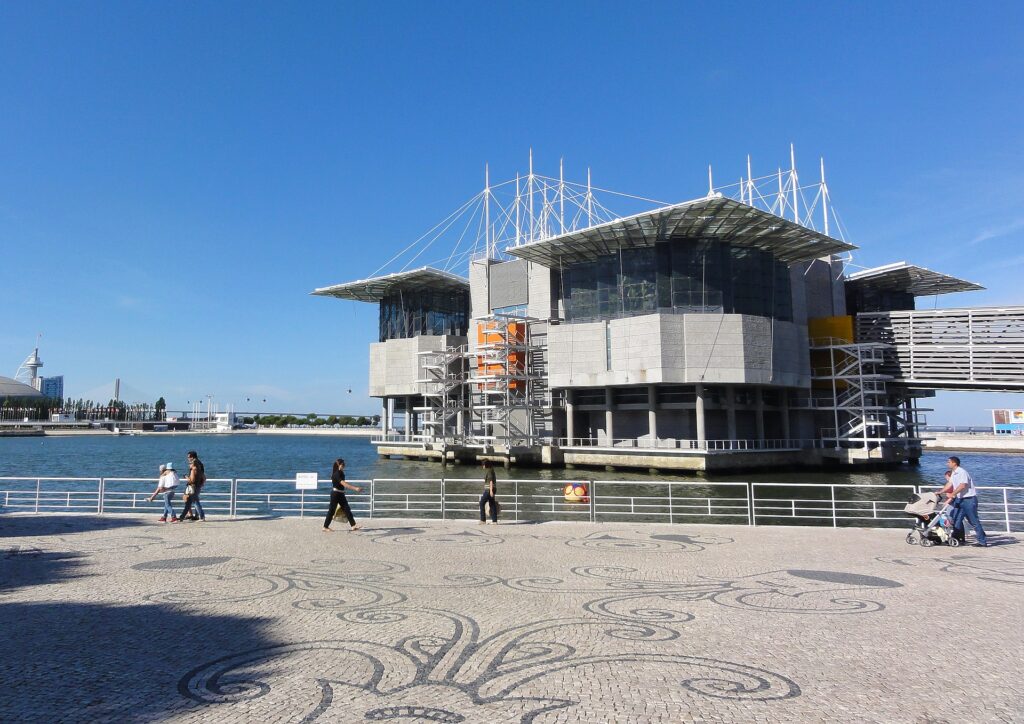
The Lisbon Oceanarium, located in the vibrant Parque das Nações district, is a jewel of architecture and engineering dedicated to marine life. Inaugurated in 1998 during Expo ’98, the aquarium quickly became one of Lisbon’s most popular attractions, attracting visitors from around the world. Designed by American architect Peter Chermayeff, the Oceanarium stands out not […]
Santa Justa Elevator
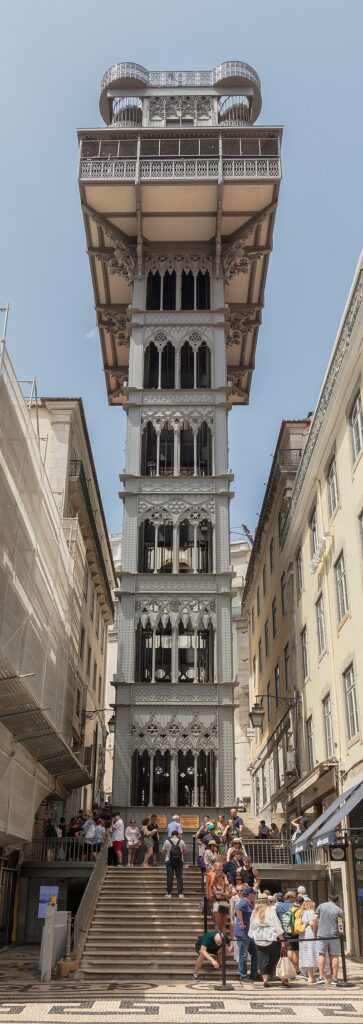
The Elevador de Santa Justa, located in the heart of Lisbon, is one of the most fascinating symbols of the Portuguese capital. This urban elevator, designed by engineer Raoul Mesnier du Ponsard and inaugurated in 1902, represents a masterpiece of 19th-century engineering and a splendid example of neo-Gothic architecture. Its construction was an ambitious project […]
Benfica Stadium
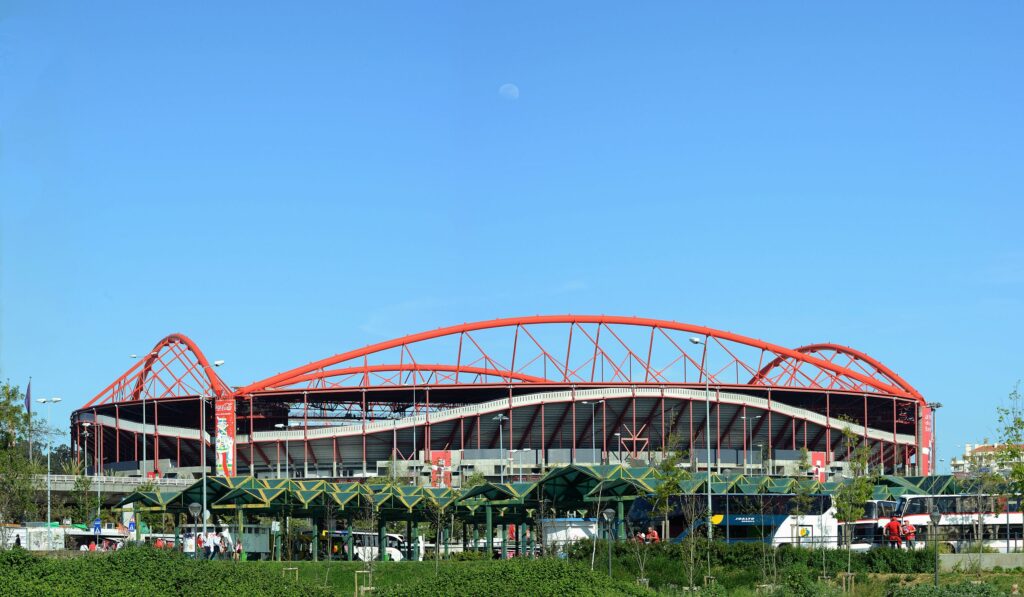
The Estádio da Luz, officially known as the Estádio do Sport Lisboa e Benfica, is one of the most iconic stadiums not only in Lisbon, but in all of Europe. Located in the Benfica neighborhood, this imposing facility is the home of the renowned football club Sport Lisboa e Benfica, one of the largest and […]
José Alvalade Stadium
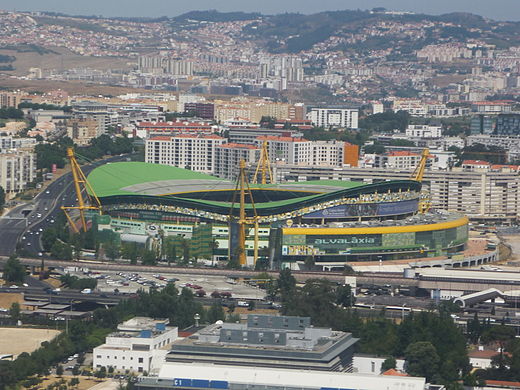
The Estádio José Alvalade, located in Lisbon, is a symbol of pride for the Sporting CP football club and a reference point in the Portuguese sports scene. The history of this stadium is closely intertwined with that of the club, and it represents a meeting place for fans and a theater of football emotions. The […]
Calouste Gulbenkian Planetarium

The Calouste Gulbenkian Planetarium, located in Belém, near the Jerónimos Monastery, is one of Lisbon’s main scientific attractions. Founded between 1963 and 1965 by architect Frederico George, the planetarium was funded by the Calouste Gulbenkian Foundation, one of Portugal’s most influential cultural foundations established by Armenian oil magnate and philanthropist Calouste Gulbenkian. The Calouste Gulbenkian […]
Aqueduct of the Free Waters
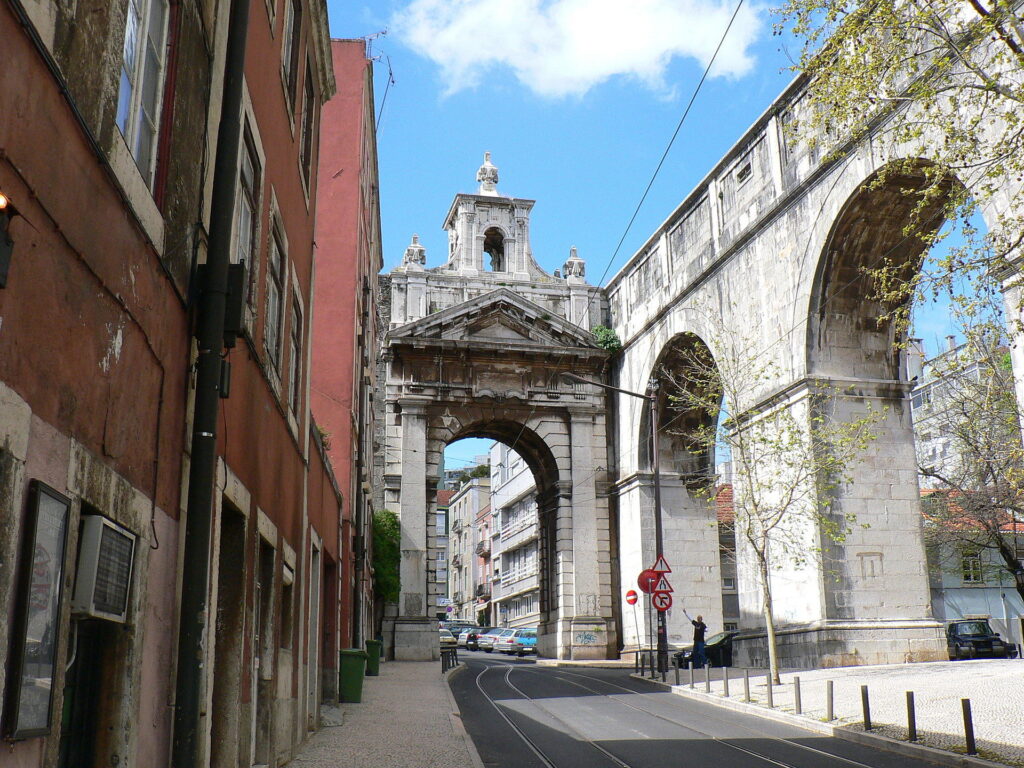
The Aqueduct of the Free Waters, a majestic work representative of the engineering capabilities of the 18th century, stands as a silent witness to the history of Lisbon. Its construction, started in 1731 by decree of King John V, represents an ambitious and successful attempt to solve the city’s water supply problems, which at the […]
Monsanto Forest Park
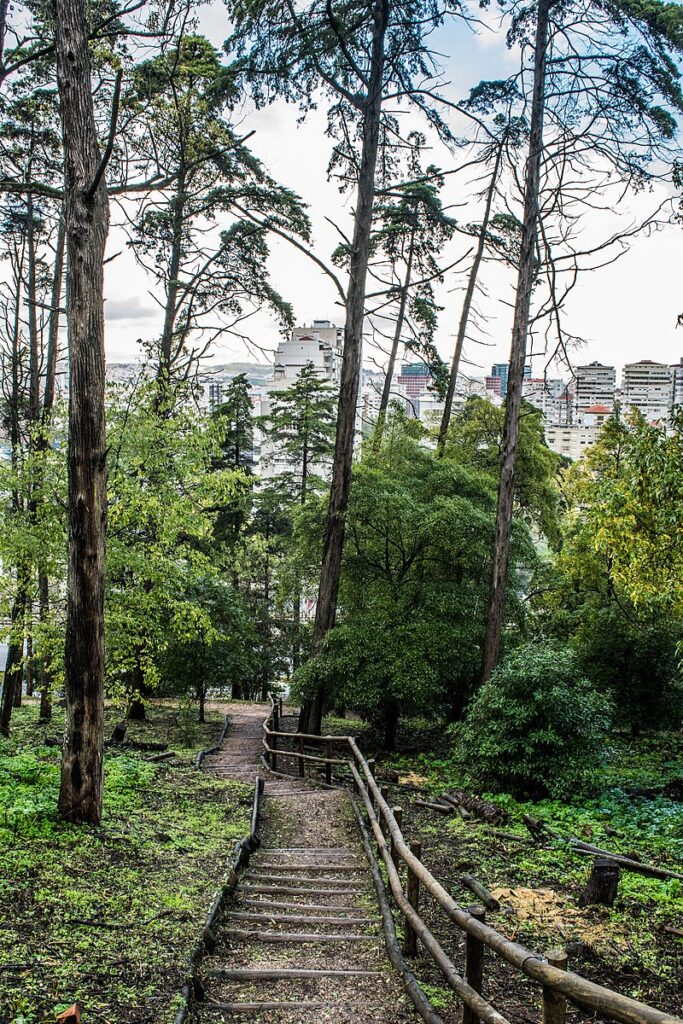
The Parque Florestal de Monsanto, also known as the green lung of Lisbon, is the largest green space in the city, covering approximately 1000 hectares. Located to the west of the city center, this park offers a natural refuge away from the urban hustle and bustle, with a wide range of recreational and sports activities. […]
Nations Park
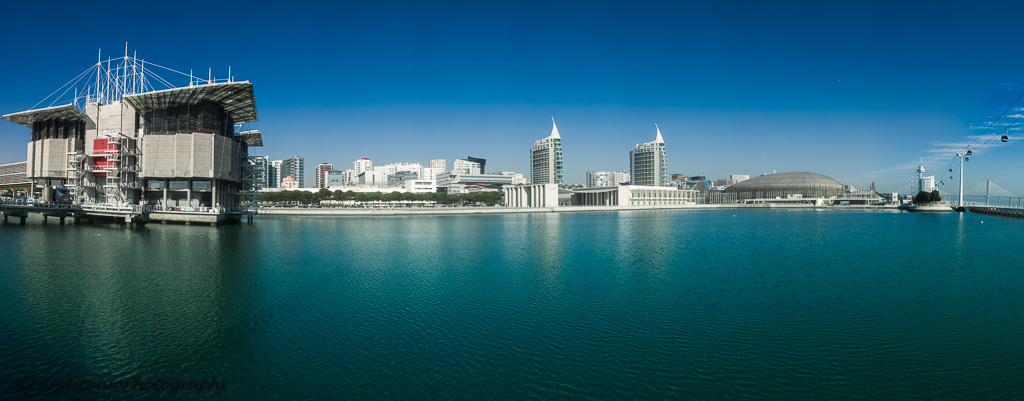
The Parque das Nações, once an abandoned industrial area, is now one of the most modern and vibrant neighborhoods in Lisbon, the result of the urban transformation that took place during Expo ’98. Located along the northeastern bank of the Tagus River, this neighborhood represents an extraordinary example of urban regeneration and architectural innovation. Before […]
Eduardo VII Park

Parque Eduardo VII, the largest park in the center of Lisbon, covers about 25 hectares and represents an oasis of greenery and tranquility in the middle of the city. Named after King Edward VII of the United Kingdom, who visited Portugal in 1903 to strengthen diplomatic ties between the two countries, the park offers a […]
National Pantheon
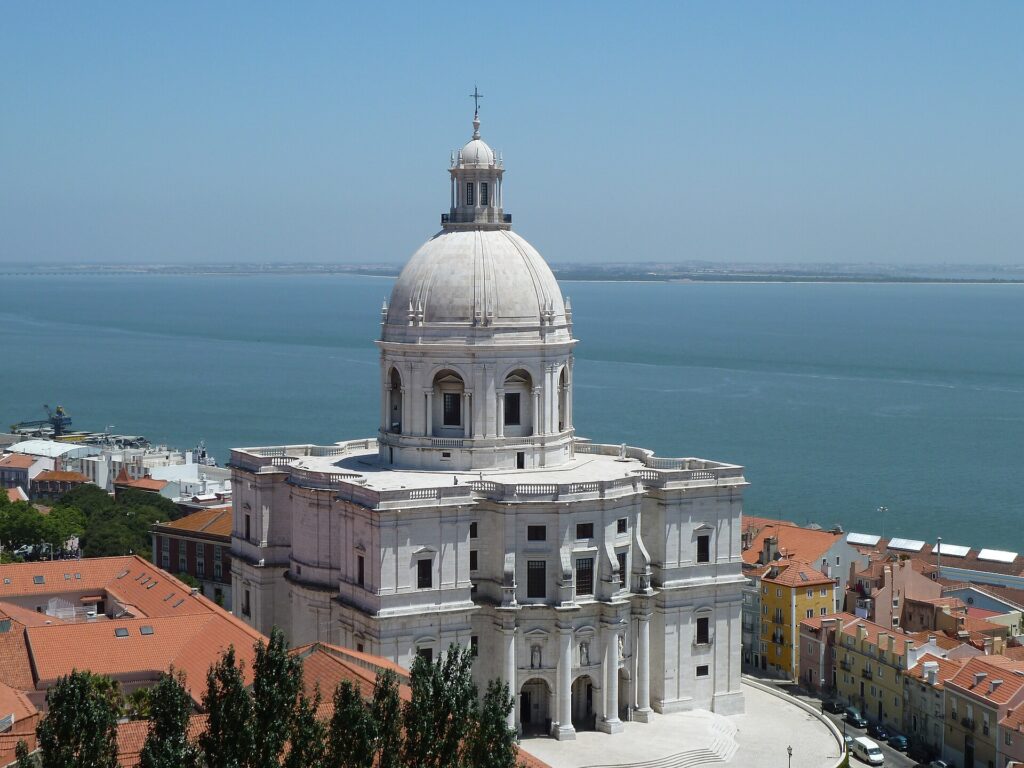
The National Pantheon, located in the Alfama district of Lisbon, is one of the most important and iconic monuments in Portugal, representing a lasting testimony of the country’s history and culture. Originally built as the Church of Santa Engrácia in the 17th century, the building was transformed into the National Pantheon in 1916, becoming the […]
