

Royal Albert Hall
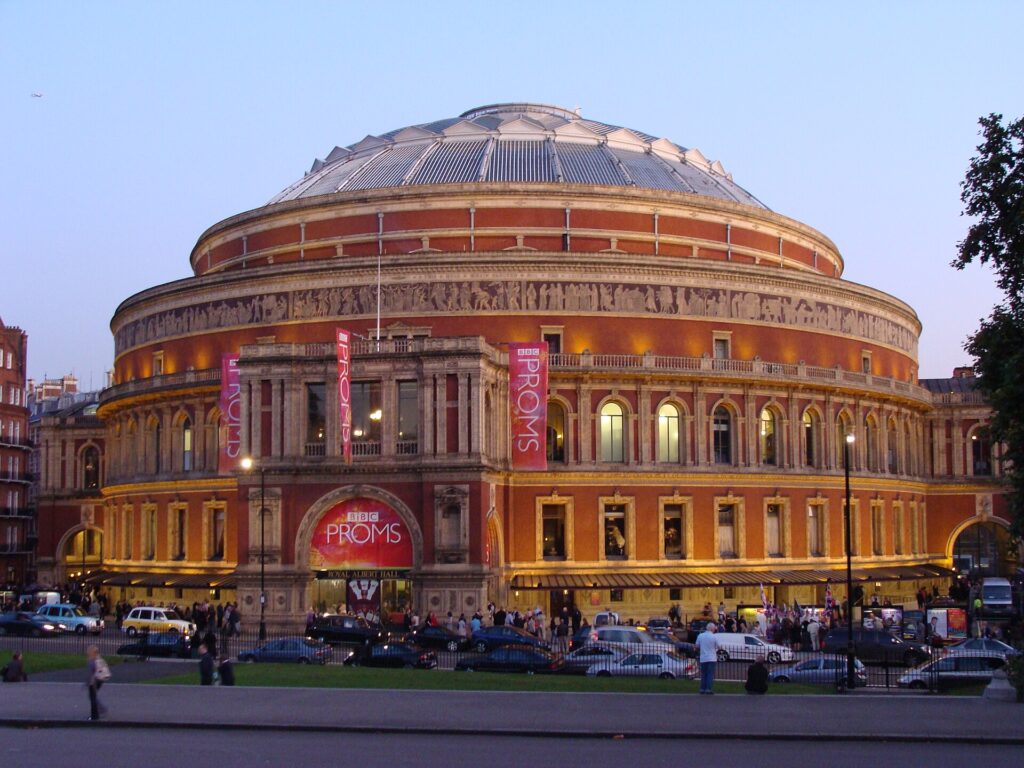
The Royal Albert Hall is one of the most representative cultural icons of London, a place where history, art, and society intertwine in a unique and extraordinary narrative. Located in South Kensington, this majestic concert hall was opened on March 29, 1871, and dedicated to Prince Albert, husband of Queen Victoria, in recognition of his […]
London Eye
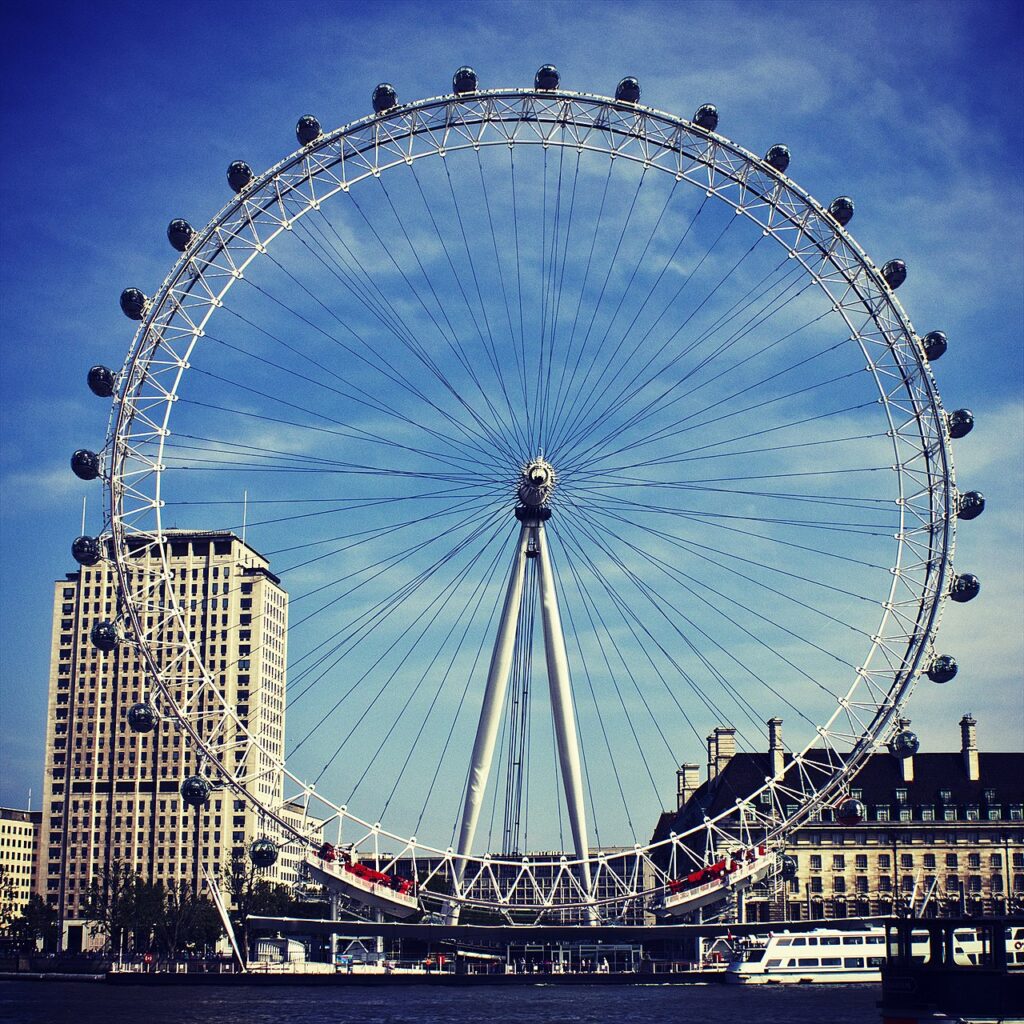
The London Eye, also known as the Millennium Wheel, is one of the most iconic attractions in London and represents an extraordinary example of modern engineering. Located on the south bank of the River Thames, near Big Ben and the Houses of Parliament, it offers an unparalleled panoramic view of the city. Inaugurated in March […]
Piccadilly Circus
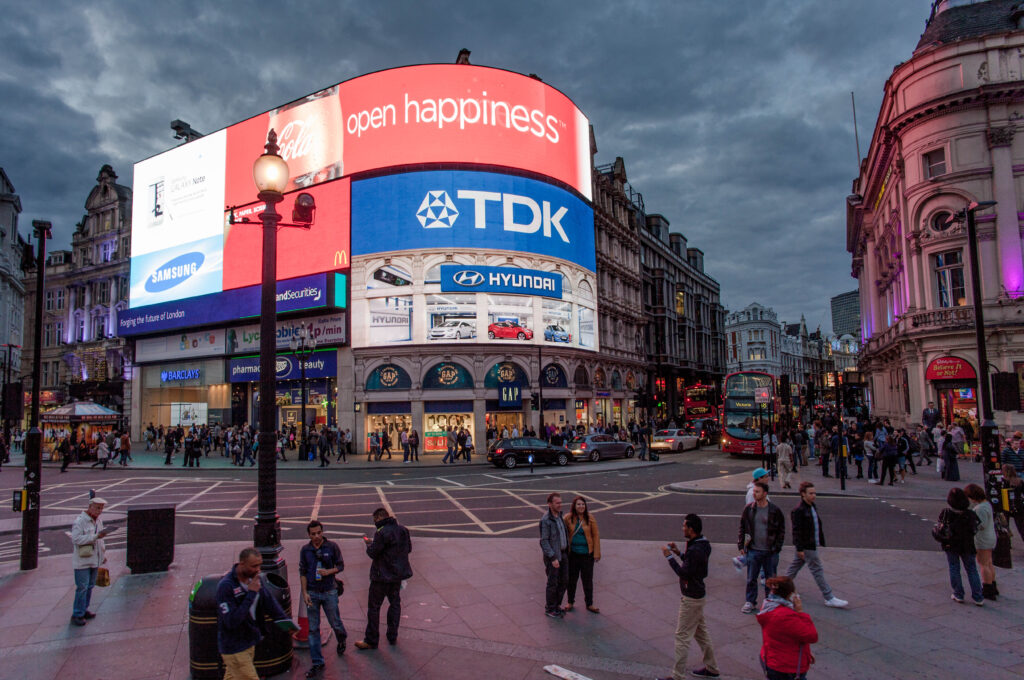
Piccadilly Circus, an iconic crossroads in the heart of London, is much more than just an intersection: it is a vibrant symbol of the vitality and energy of the British capital. Opened in 1819 to connect Regent Street with Piccadilly, the Circus quickly gained importance due to its central location and proximity to major entertainment […]
Regent’s Park
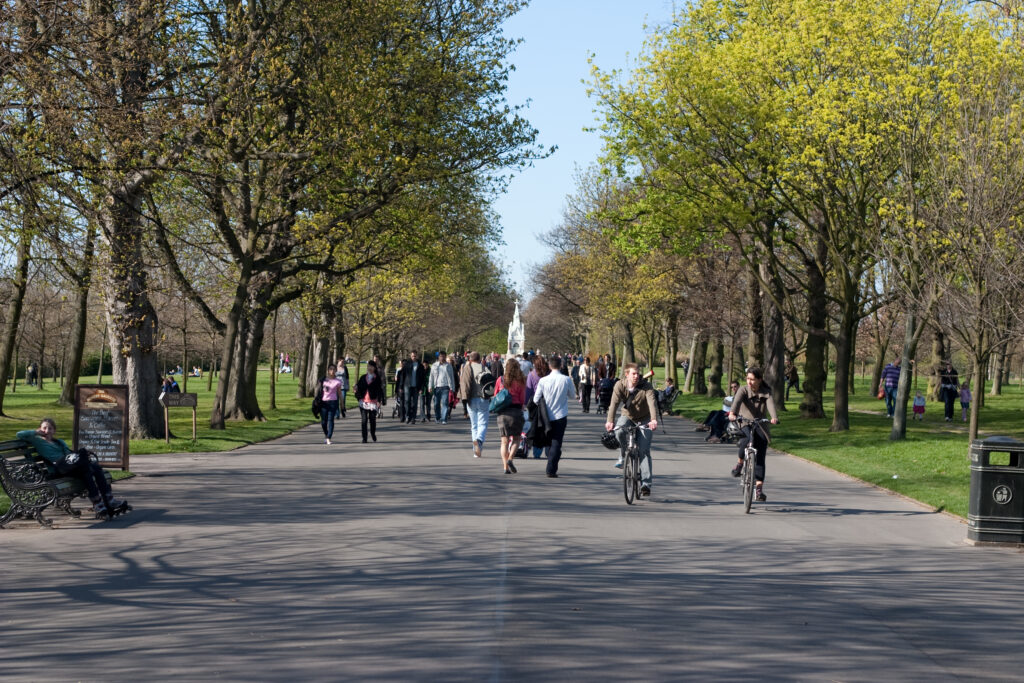
Regent’s Park, one of the most famous royal parks in London, is a perfect fusion of history, architecture, and urban landscape. Created as part of a vast urban redevelopment in the early 19th century, the park not only offers a green refuge in the heart of the city but also vividly exemplifies the architectural vision […]
Royal Academy of Arts
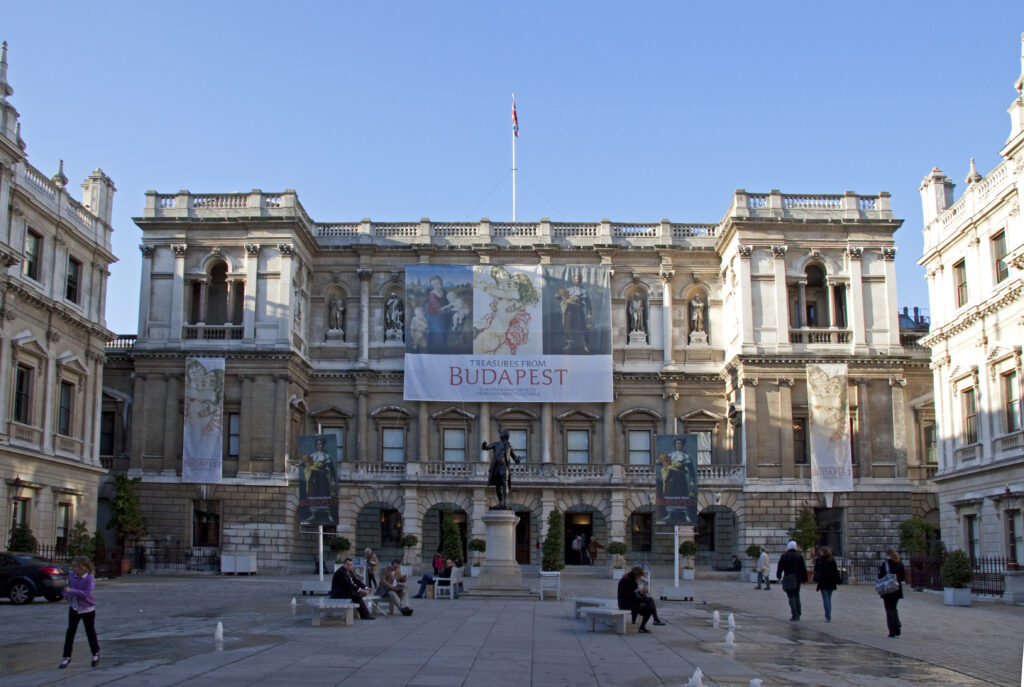
The Royal Academy of Arts, located in the heart of London, is one of the most prestigious artistic institutions in the world. Founded in 1768 on the initiative of a group of British artists and architects, including Sir Joshua Reynolds, the Royal Academy was created with the aim of promoting the visual arts through education […]
Kew Palace
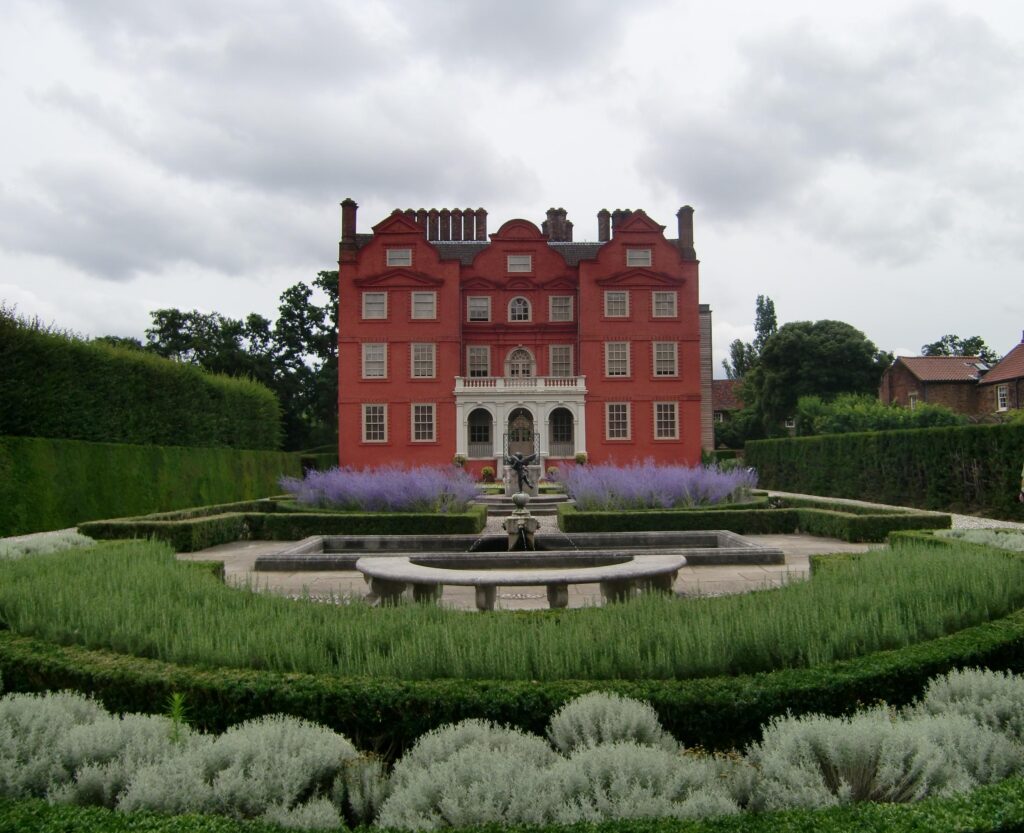
Kew Palace, located in the Kew Gardens of London, is a fascinating testament to British royal history. This building, known for its Georgian-style architecture and its role in the life of the royal family, offers visitors a journey back in time, through eras of intrigue, power, and social change. Kew Palace was built around 1631 […]
Kensington Palace
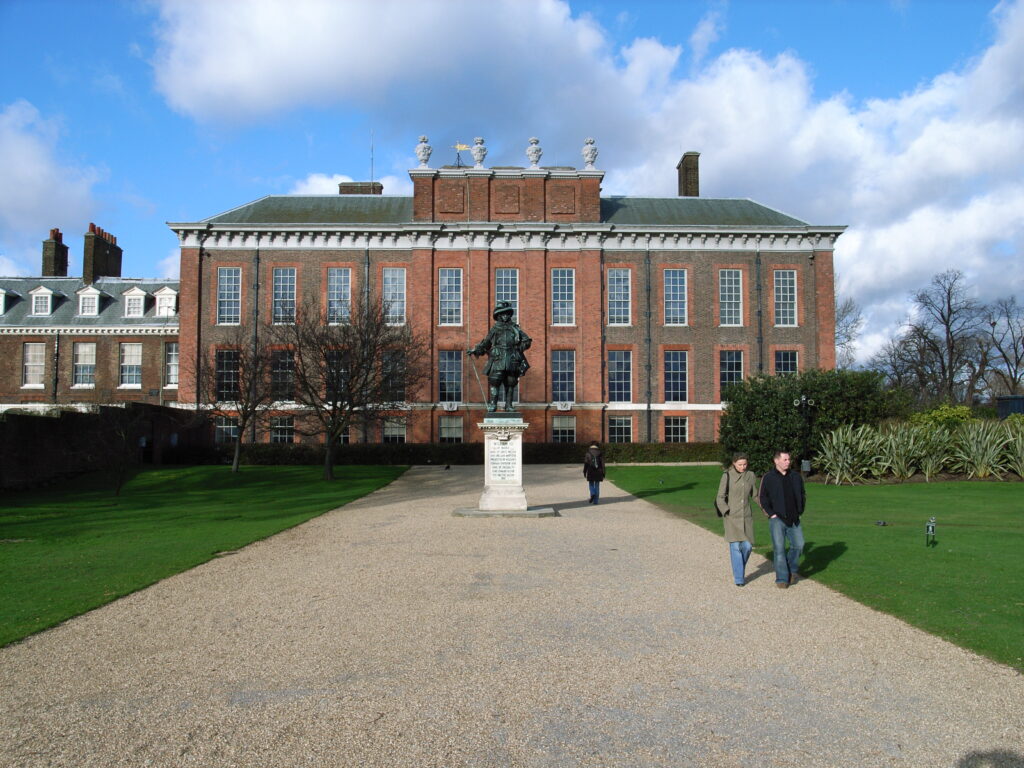
Kensington Palace, located in the refined Kensington Gardens in London, is a royal residence that has witnessed many centuries of British history, transforming from a modest suburban villa to a symbol of prestige and power. Originally known as Nottingham House, the palace was purchased in 1689 by the new sovereigns William III and Mary II. […]
Buckingham Palace
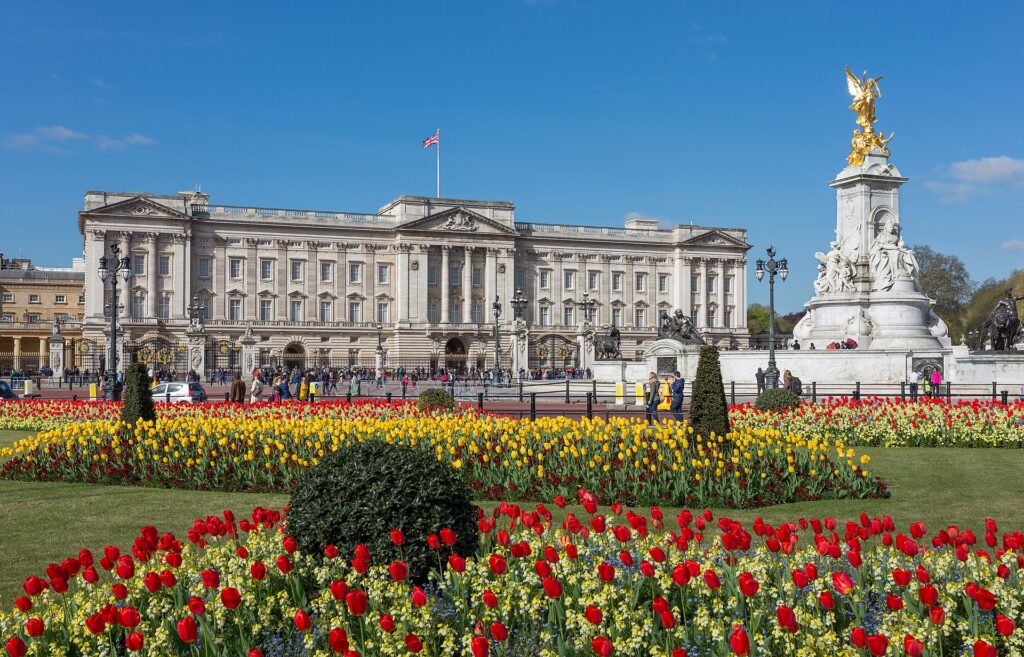
Buckingham Palace, located in the heart of London, is one of the most recognizable symbols of the British monarchy. The history of the palace dates back to 1703, when the Duke of Buckingham, John Sheffield, decided to build a modest city residence. This original building, known as Buckingham House, was designed by architects William Winde […]
Hampton Court Palace
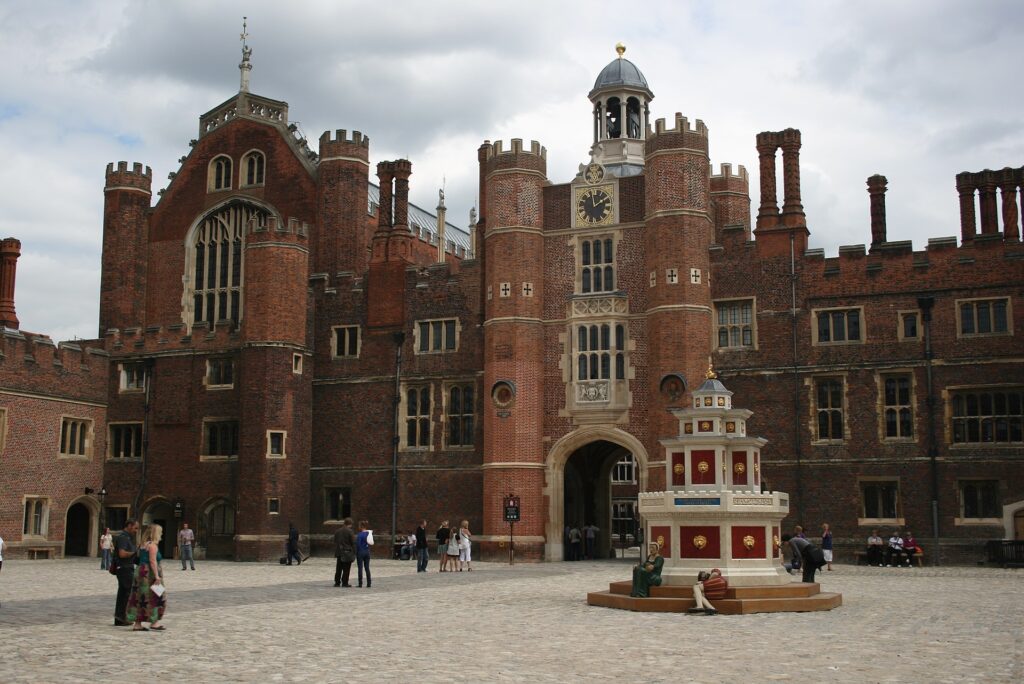
Hampton Court Palace, located on the banks of the Thames southwest of London, is one of the most emblematic symbols of English history and architecture. Its history is intrinsically linked to prominent historical figures, starting from its founder, Cardinal Thomas Wolsey, to the Tudor and Stuart monarchs who made it their residence. The palace was […]
Notting Hill
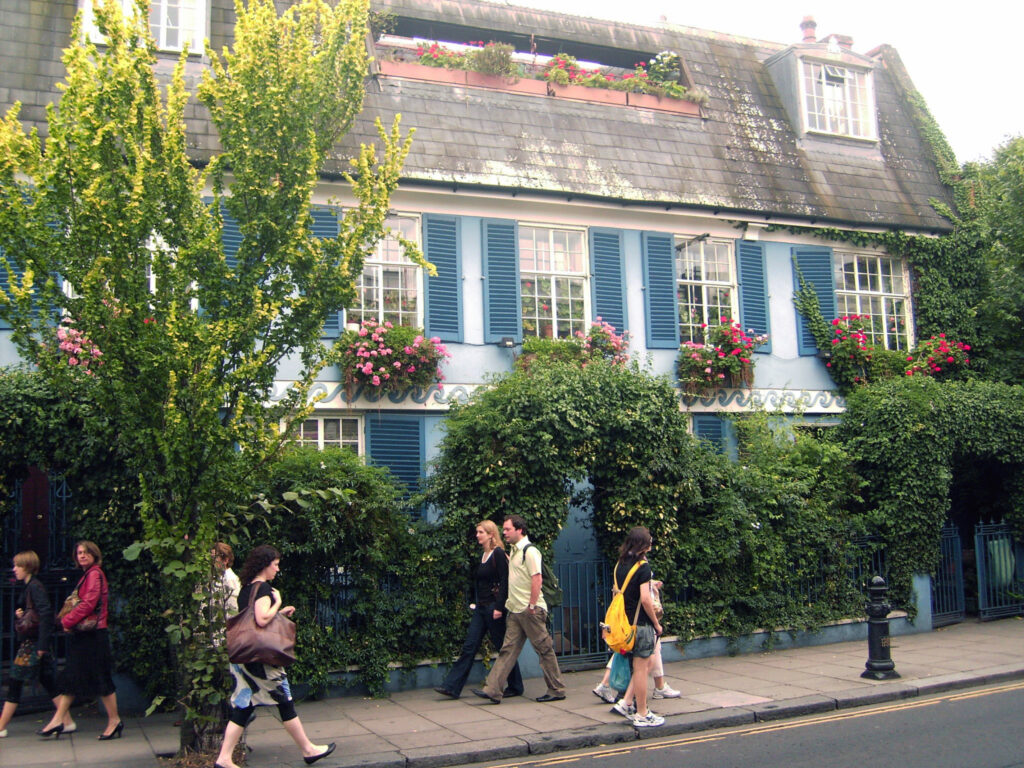
Notting Hill, one of the most iconic and fascinating neighborhoods in London, is a microcosm of history, culture, and social change. Located in the Royal Borough of Kensington and Chelsea, this neighborhood has undergone an impressive transformation over the centuries, evolving from a semi-rural area to a vibrant and cosmopolitan center. The origin of the […]
