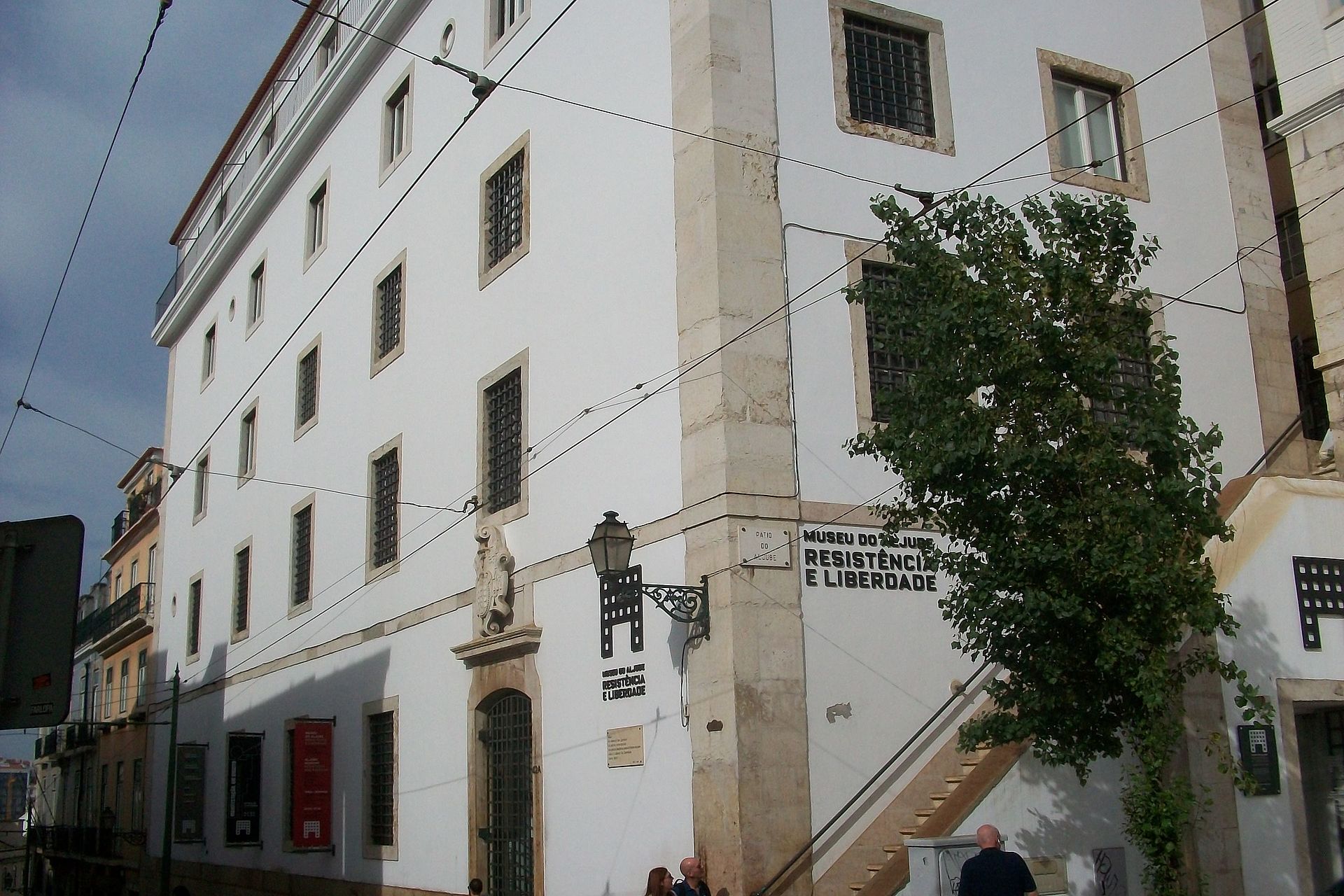
Aljube Museum
Europe,
Portugal,
citta,
Alfama
The Museu do Aljube – Resistance and Freedom in Lisbon is a powerful testimony to the recent history of Portugal. Inaugurated on April 25, 2015, the museum is located in a building that served as a political prison during the dictatorship of António de Oliveira Salazar. Its mission is to remember and document the struggle against the dictatorial regime that ruled Portugal from 1926 to 1974, honoring those who fought for freedom and democracy.
The building itself has a long and complex history. Originally built in Moorish times, the term “Aljube” comes from Arabic and means “dry well,” a reference to its function as a cistern or prison that it has maintained over the centuries. In the 20th century, the Aljube prison became infamous for imprisoning political opponents, intellectuals, and activists under the Salazar regime. The cells and corridors that once housed political prisoners are now transformed into exhibition spaces that tell stories of resistance and courage.Inside the museum, visitors can explore a variety of permanent and temporary exhibitions that illustrate political repression, censorship, and surveillance techniques used by the regime. The collection includes documents, photographs, personal objects, and testimonies that offer a vivid picture of the difficulties and sufferings endured by those who opposed the dictatorship. One of the most touching exhibitions is dedicated to the women who were imprisoned at Aljube, highlighting their crucial role in the fight for freedom.Particularly significant is the section of the museum that presents the stories of those who were victims of the PIDE (International and State Defense Police), the regime’s secret police. This section includes original documents, audio recordings, and videos that testify to the torture and persecution suffered by political prisoners. Visitors can also participate in interactive reconstructions of clandestine meetings and propaganda material printing sessions, providing an immersive experience of those dark times.Another point of interest at the Museu do Aljube is the section dedicated to the Carnation Revolution of April 25, 1974, which led to the fall of the dictatorship and the establishment of democracy in Portugal. This non-violent revolution is represented through a series of iconic photographs, posters, and vintage footage that capture the enthusiasm and hope of that period of transformation. The museum’s location, near Lisbon Cathedral, adds another layer of historical significance. The building, with its thick walls and barred windows, stands as a silent reminder of the atrocities of the past and a symbol of the resilience of the Portuguese people. A visit to the Museu do Aljube offers a unique opportunity to reflect on the value of freedom and the cost of its conquest.
Read More