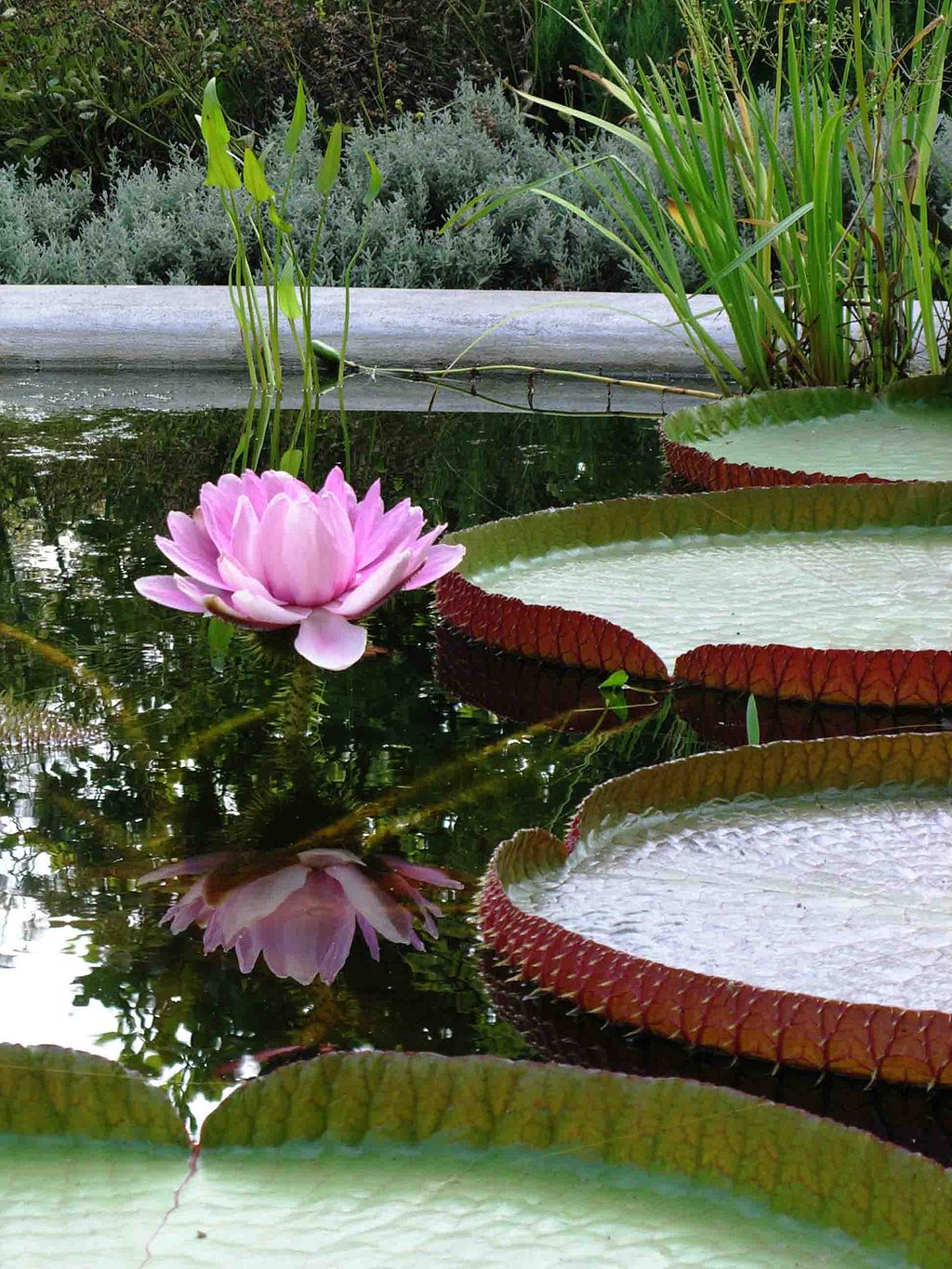
Amsterdam Botanical Garden (Hortus Botanicus)
Europe,
Netherlands,
Amsterdam, citta,
Plantage
The Hortus Botanicus of Amsterdam is one of the oldest botanical gardens in the world, founded in 1638. Located in the Plantage district, in the heart of the city, the Hortus is an oasis of tranquility and natural beauty that offers an extraordinary collection of plants from around the world. Its history, intertwined with that of the city of Amsterdam and its scientific institutions, makes this place a point of reference not only for botanists and nature lovers but also for anyone interested in history and culture.
The Hortus Botanicus began as the “Hortus Medicus,” a medicinal plant garden intended to provide fresh ingredients for the city’s pharmacists and doctors. This was a period when Amsterdam was a pivotal center of global trade, and the city was experiencing an unprecedented economic and cultural boom. Medicinal plants were essential for treating various diseases, and the garden provided an invaluable resource for scientists and doctors of the time.One of the most significant episodes in the history of the Hortus was the arrival of coffee seeds in 1706. These seeds, coming from Java, were planted in the Hortus and became the basis for the expansion of coffee cultivation worldwide. The coffee grown in the Hortus was used to start plantations in the Dutch colonies, thus helping to spread one of the world’s most popular beverages.Another historical point of interest is the collection of cycads, including a cycas revoluta dating back to 1700, making it one of the oldest potted plants. This specimen has witnessed more than three centuries of human and botanical history, becoming a symbol of the garden’s longevity and continuity.The Hortus Botanicus boasts several historic greenhouses, each housing a variety of exotic plants. The Palm House, built in 1912, is one of the most impressive and hosts a collection of palms and other tropical plants that evoke the atmosphere of rainforests. The Tropical Greenhouse, on the other hand, is a more recent structure that offers a controlled environment for tropical plants from around the world, allowing visitors to experience the biodiversity of equatorial regions.Another noteworthy greenhouse is the Butterfly Greenhouse, where visitors can walk among tropical plants and admire various species of butterflies fluttering freely. This greenhouse is particularly popular among families and offers a unique educational experience, highlighting the importance of conserving natural habitats.The Hortus also hosts a collection of carnivorous plants, cacti, and succulents, each with its own peculiarities and unique adaptations. Carnivorous plants, for example, offer a fascinating glimpse into how some species have evolved to survive in nutrient-poor environments by capturing insects and other small animals to meet their nutritional needs. An interesting anecdote concerns the Ginkgo biloba, a tree often called a “living fossil” due to its ancient evolutionary history. The specimen present in the Hortus Botanicus was planted in 1700 and represents a living link to the Earth’s distant past, being one of the oldest known species.
Read More