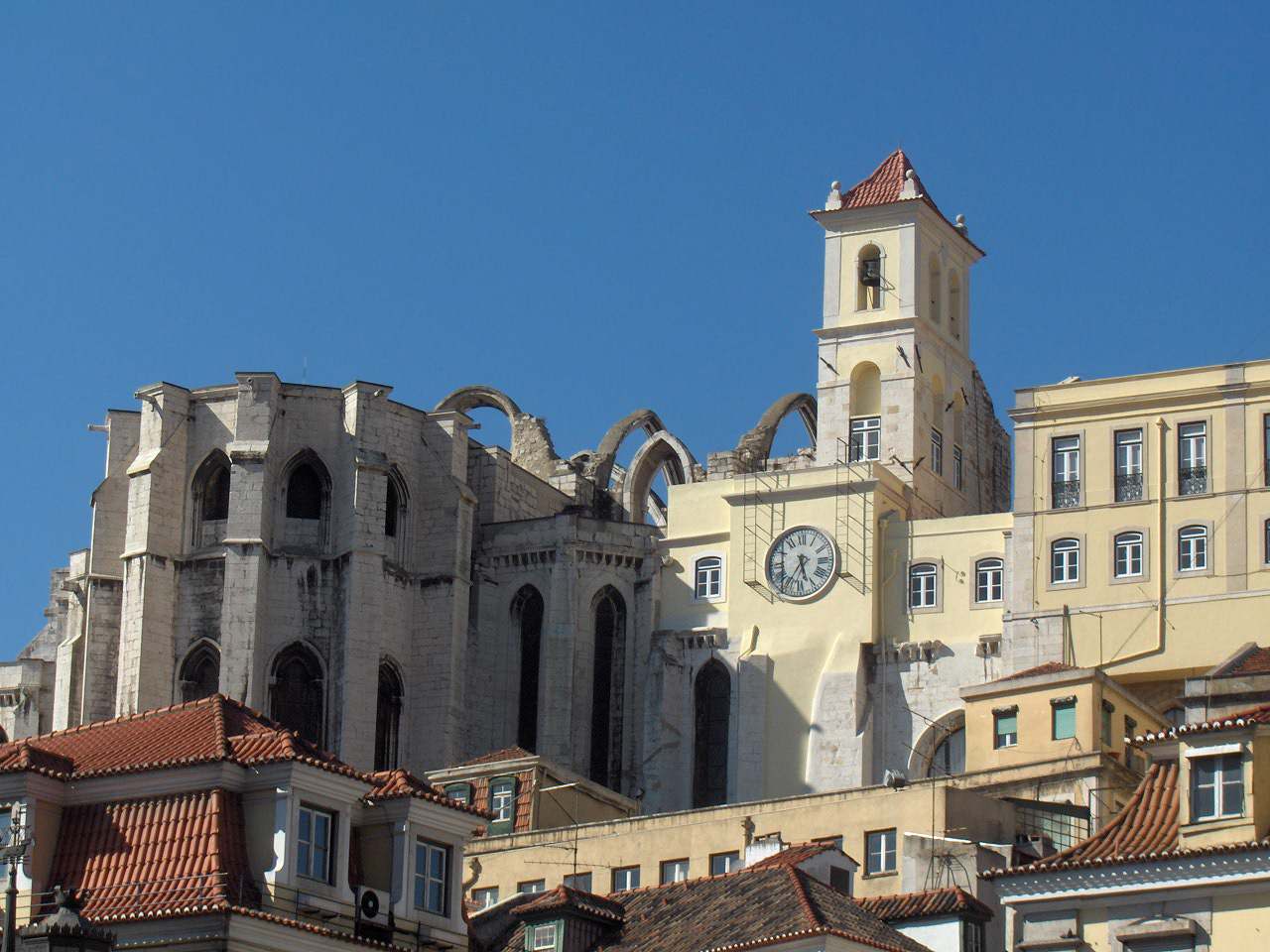
Archaeological Museum of Carmo
Europe,
Portugal,
citta,
Chiado
The Archaeological Museum of Carmo, located in the historic heart of Lisbon, is a place of extraordinary charm and historical significance. Founded in 1864 by the Associação dos Arqueólogos Portugueses, the museum is located within the ruins of the Carmo Church, a Gothic building that was severely damaged by the 1755 earthquake. This tragic event left the church roofless, but also gave a mystical aura to its imposing structures, which now stand against the Lisbon sky.
The history of the Convento do Carmo begins in 1389, when it was founded by the Portuguese nobleman Nuno Álvares Pereira. The convent was intended for the Carmelite Order and represented one of the largest and most important monastic complexes in the city. The Gothic church, with its imposing architecture and elegant arches, was completed in the 15th century and became a symbol of power and religious devotion of the time.The 1755 earthquake, one of the most devastating in European history, struck Lisbon on November 1, All Saints’ Day. The Carmo church, like much of the city, suffered catastrophic damage. The church vaults collapsed, leaving only the Gothic arches and some parts of the perimeter walls standing. This event marked the beginning of the convent’s decline, which was eventually abandoned and left in ruins.Today, the ruins of the Carmo Church are a place of contemplation and memory, where the silence of the ancient stones tells stories of devotion, power, and destruction. The imposing roofless arches, standing against the sky, create a unique and evocative atmosphere, attracting visitors from around the world. Walking through the open-air nave, one can feel the vibrant history of the place, imagining the monastic life that once animated these spaces.The museum houses a rich collection of archaeological artifacts covering a wide time span, from prehistory to the medieval period. Among the most significant pieces are Roman sarcophagi, mosaics, ceramics, sculptures, and artifacts that tell the ancient history of Portugal. Each displayed object is an open window to past eras, offering visitors a unique opportunity to explore the country’s history through carefully preserved and studied artifacts.One of the most enigmatic and fascinating objects in the museum is the 15th-century Peruvian mummy, a rare find that testifies to the cultural and commercial contacts between Europe and South America during the age of exploration. This mummy, with its enigmatic face and extraordinarily well-preserved condition, captures the imagination of visitors, inviting them to reflect on the global connections that existed many centuries ago.From an artistic point of view, the Archaeological Museum of Carmo is also a testament to the talent and skill of medieval architects and artists. The Gothic structures, with their elegant lines and harmonious proportions, represent a masterpiece of religious architecture of the time. The soaring arches and decorative details are a tribute to the craftsmen who worked on the church’s construction, creating a work that has stood the test of time and natural devastations. An interesting anecdote concerns the establishment of the museum itself. It was thanks to the commitment and passion of the Associação dos Arqueólogos Portugueses that the Carmo site was saved from abandonment and ruin. This association, founded in 1863, had as its mission the protection and promotion of Portuguese archaeological heritage. The creation of the museum within the ruins of Carmo was one of the association’s first projects and represents a pioneering example of heritage conservation.
Read More