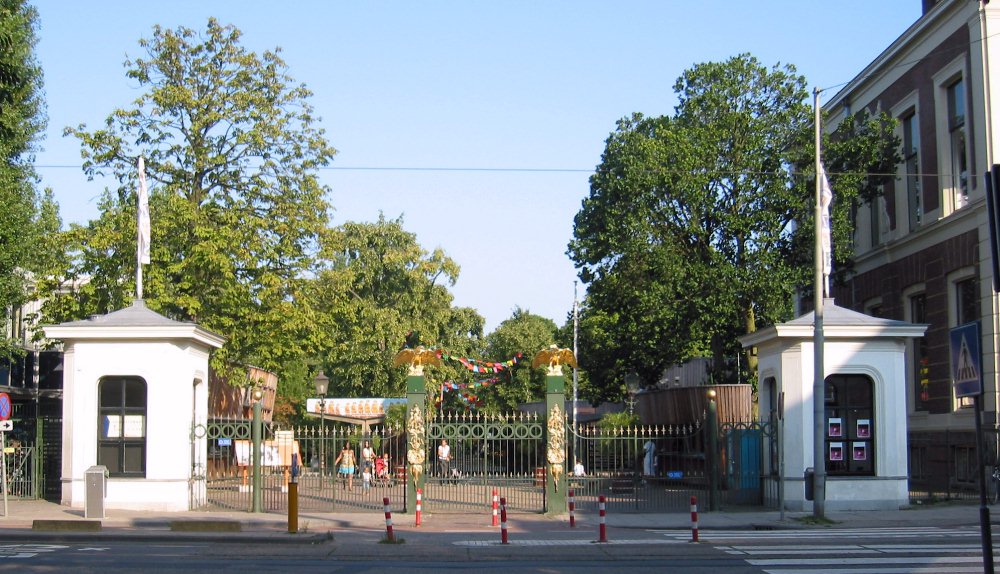
Artis Zoo
Europe,
Netherlands,
Amsterdam, citta,
Plantage
The Artis Zoo in Amsterdam, also known as Natura Artis Magistra, is the oldest zoo in the Netherlands and one of the oldest in Europe. Founded in 1838 by three zoology enthusiasts, Gerard Westerman, J.W.H. Werlemann, and J.J. Wijsmuller, Artis is located in the Plantage district, a green and tranquil area situated in the heart of Amsterdam. Known simply as “Artis” by the locals, the full name derives from the three inscriptions above its three gates: “Natura,” “Artis,” and “Magistra.”
The Artis Zoo is not just a place to admire a wide range of animals, but it is also a historical, cultural, and scientific landmark. The park’s historic architecture includes 27 historic buildings, such as the aquarium, built in 1882, and the zoological library, which dates back to 1867. This library houses one of the richest collections of books and manuscripts on zoology and botany, with over 20,000 books and 3,000 manuscripts, making it an invaluable resource for researchers and scholars.One of the most fascinating aspects of Artis is its combination of a zoological garden and a botanical garden. Since 2020, Artis has officially received the designation of a botanical garden, thanks to its collection of over 700 trees of more than 200 different species, as well as a variety of shrubs, annual and perennial plants, and thousands of flower bulbs. This botanical diversity not only enriches the visitors’ experience but also plays a fundamental educational role, promoting awareness of the importance of biodiversity and conservation.The park is divided into different thematic areas that host a variety of animals from around the world. The “African Savannah” is one of the main attractions, where giraffes, zebras, and springboks coexist in an environment that faithfully recreates their natural habitat. The “Butterfly Pavilion” is another highlight of the park, where visitors can walk among hundreds of fluttering butterflies in a tropical environment.Artis is also home to Micropia, the world’s first museum dedicated to microbes. This innovative exhibition explores the invisible world of microbes, showing how these microorganisms influence every aspect of our daily lives, from health to food production. Micropia offers an interactive and educational experience, making the invisible visible and bringing visitors closer to the science of microbes.
Read More