Audiffredi Palace – Cuneo
Europe,
Italy,
Cuneo,
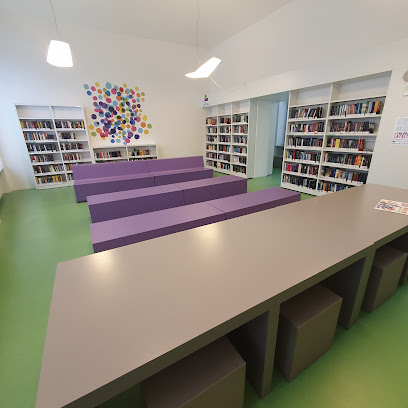
The Audiffredi Palace, located in the heart of Cuneo, represents a fundamental landmark for the cultural identity of the city. Built in the 18th century, this magnificent palace is not only a fine example of Baroque architecture but also an important center for the preservation of the bibliographic heritage of the area. It is primarily known for its Antique Library, a true gem that houses rare volumes and significant manuscripts from different historical periods. Its opening to the public in 2000 marked an important milestone in enhancing this extraordinary heritage. The origins of Palazzo Audiffredi date back to 1750 when the noble Giovanni Battista Audiffredi decided to build his residence in a strategic area of the city, which was experiencing significant development at the time. The façade of the palace is characterized by typical Baroque elements, including elaborate frames and 16th-century windows that accentuate its grandeur. During the 19th century, the palace underwent various renovation interventions. In 1830, with the death of the last heir of the Audiffredi family, the palace was ceded to the Municipality of Cuneo. From that moment, a process of transformation began that led the building to lose part of its private character and become a public institution. The Municipality decided to dedicate part of the Palace to the creation of a library, a reference point for scholars and the local population. In the following years, between 1900 and 1920, further restoration work was carried out, including efforts to improve accessibility. However, it was only in 2000 that the Antique Library officially opened to the public, providing users with privileged access to a collection of works spanning centuries of history and culture. Cultural Significance Since its repurposing as a library, Palazzo Audiffredi has increasingly expanded its role, becoming a place for cultural events, presentations, and meetings, fostering a constant dialogue between local culture and national and international initiatives. Each year, the Palace hosts activities that promote reading and literature, making it a vital place for the cultural fabric of Cuneo. Now we approach its particular beauty. As you arrive in front of Palazzo Audiffredi, you can admire the extraordinary façade. It stands out for its Baroque elegance, with a magnificent entrance portal framing the access. The stucco decorations and the raised window frames tell stories of styles and artistic influences that span the centuries. Upon entering, you are welcomed by a spacious atrium decorated with frescoes that depict scenes of daily life and nature, artistic testimonies of the Piedmontese tradition. To your right, you will find an imposing staircase leading to the library spaces; the wooden handrails are finely carved, adding a touch of class to the environment. Once you reach the library, you will be struck by the arrangement of the books and the internal architectural details. The dark wood shelves, which contain thousands of volumes, create an intimate and welcoming atmosphere. The walls are adorned with local artworks celebrating the history and culture of Cuneo. The Antique Library houses a collection of rare volumes. Here you can admire historical manuscripts dating back to the Middle Ages, such as liturgical texts and works by classical Italian and foreign authors. Each book tells a story, intertwining with the life of the city and its inhabitants. Continuing the visit, the elegance of the palace’s lighting cannot be overlooked. Murano glass chandeliers hang from the ceiling, reflecting light in fascinating ways and contributing to creating an atmosphere of awe and wonder. The lighting is designed to preserve the texts while simultaneously enhancing the architecture. Finally, we invite you to ascend to the upper floor of the palace. Here you will find spaces dedicated to the exhibition of contemporary art and cultural events. The large halls, with their frescoed ceilings and terracotta floors, are perfect for hosting conferences, book presentations, and workshops. This floor represents the future of Palazzo Audiffredi, uniting tradition and innovation in one location. Palazzo Audiffredi is not isolated but is nestled in an urban context rich in history and culture. As you continue your visit, you might explore the nearby Provincial Palace, a building that preserves important testimonies of Cuneo’s administrative and political history, as well as significant artworks. Just a short walk from Palazzo Audiffredi is the Church of San Francesco, a magnificent example of Gothic and Baroque architecture, representing another important stop in the city’s history. Its interior is adorned with frescoes and sculptures that depict the life of Saint Francis and his works. Moreover, do not forget to visit Piazza Galimberti, the beating heart of Cuneo. This lively space is perfect for a stroll and offers numerous cafés and restaurants where you can relax and reflect on what you’ve discovered. An intriguing aspect of Palazzo Audiffredi is its collection of rare volumes. Among them are ancient editions of Dante Alighieri’s “Divine Comedy,” some dating back to the 15th century, providing a direct testimony of the work’s popularity over the centuries. Additionally, it is worth noting that the library’s archive preserves historical documents concerning the political and social life of the city, including municipal resolutions and notarial deeds dating back to the time of its founding. This makes Palazzo Audiffredi not only a place for reading but also an important research center for historians and scholars. Another interesting curiosity concerns the restoration of the palace that took place in 1900: during that period, local craftsmen used traditional techniques to restore the palace to its ancient splendor, thus keeping the artisanal tradition of the area alive.
Read More