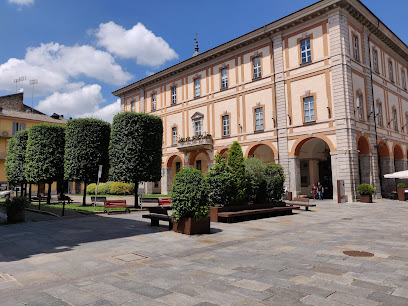
Audiffredi Square – Cuneo
Europe,
Italy,
Cuneo,
Welcome to Piazza Audiffredi-Cuneo, a charming corner of history in the heart of Cuneo, a city in Piedmont known for its rich architecture and vibrant culture. This square is not just a meeting point, but a true symbol of local identity. Built in the 18th century, it represents one of the most significant expressions of urban development in the city during this period. The square stands out not only for its architectural value but especially for the role it has played in the social and cultural life of the people of Cuneo, becoming a place for promoting local events and celebrations. Now, get ready to discover with us the secrets and history hidden in this place. The history of Piazza Audiffredi-Cuneo begins in the 1700s, a period of great development for the city of Cuneo, which was then under the control of the House of Savoy. In 1740, the renovation project for the square was entrusted to the local architect Francesco Gallo, who designed an open space that could serve as the hub of social life in Cuneo. The square was inaugurated in 1745 and from the very beginning became an important landmark for the community. Throughout the 19th century, Piazza Audiffredi-Cuneo underwent several transformations. The surrounding structures were expanded and renovated to host public events and markets, highlighting the importance of this space as a place for social interaction. Significant examples of Neoclassical architecture began to emerge, contributing to shaping the image of a modern and forward-looking city. One of the key moments in the history of the square comes in 1860 when, during the post-unification period, it was chosen to host various celebratory and commemorative events. During this time, Piazza Audiffredi-Cuneo became an emblematic place for the new institutions of the Kingdom of Italy, marking the transition towards modernity that, in the following years, would radically change the face of the area. At the beginning of the 20th century, the square underwent further redesign, with the addition of artworks and monuments that enriched its visual heritage. However, the 20th century also brought significant challenges. During World War II, Cuneo, like many other Italian cities, suffered bombings and destruction. The square was damaged, but thanks to post-war restoration work, it returned to being a focal point for the citizens. Today, the square is not only a center of social aggregation but also a place of culture. Since 2010, numerous events and activities have been implemented that have ensured a cultural and social revival for Cuneo, making Piazza Audiffredi-Cuneo a model of how public spaces can be reused for the benefit of the community. As we approach Piazza Audiffredi-Cuneo, we notice its wide open space, framed by elegant historic buildings that overlook the square. In the center, a 17th-century fountain, symbolizing community life, is often surrounded by benches where locals gather to chat and spend time. Looking towards the façade of the Town Hall, located on the north side of the square, we can admire its Neoclassical style. Built in the 19th century, the palace reflects the prestige of local institutions, and its architectural elegance is a nod to the republican and engineering history of the era. To the south, a series of porticoes characterizes the southern side of the square. These porticoes, with their elegant columns, not only provide shade from the sun but also offer a great opportunity to explore shops and historic cafés that contribute to the vibrant cultural climate of the place. Strolling under these porticoes is a delightful experience that invites discovering hidden corners and forgotten stories. Moving east, we can notice the monument dedicated to the heroes of the Resistance, a significant tribute to the city’s historical memory. This monument commemorates the courage and sacrifice of those who fought for freedom. In this light, the square becomes not only a meeting place, but also a space for reflection and commemoration. To the west is the Caffè della Piazza, a historic place where one can enjoy a coffee and immerse themselves in the local atmosphere. This café has welcomed generations of Cuneo residents and visitors, becoming a reference point for conversation and civic debate. Finally, we cannot overlook the architectural details of the various buildings surrounding the square. The biforate windows, stone decorations, and wrought iron balconies are just some of the features that enrich the visual landscape of Piazza Audiffredi-Cuneo, making it a fascinating example of how architecture and daily life can blend. Piazza Audiffredi-Cuneo is located in the historic center of Cuneo, an area that represents a crossroads of history and culture. The surrounding neighborhood is rich in monuments, such as the Church of San Francesco, which certainly deserves a visit. This church, built in the 14th century and renovated in later periods, offers a fascinating journey through the religious and artistic history of the city. Another interesting attraction nearby is the Civic Museum of Cuneo, which houses a series of artworks and historical artifacts documenting the city’s history from prehistoric times to the present day. Its location, not far from the square, makes it easily accessible for those wishing to delve deeper into the history and culture of Cuneo. Finally, heading towards the Park of the Resistance, a green and historical area that honors the memory of the struggle for freedom, we can take a walk immersed in nature, enjoying the tranquility that contrasts with the vibrant energy of the square. An interesting fact about Piazza Audiffredi-Cuneo is related to the various cultural events that take place throughout the year. Every summer, for example, concerts and outdoor theater performances transform the square into a lively stage for local artists and beyond. Another fascinating aspect is the tradition of fairs and markets that are regularly held in this square. Historically, it was a place for commercial exchange, and today maintaining this tradition is a way to connect new generations with Cuneo’s commercial history. Finally, the square is witness to an important gastronomic tradition. In the historic cafés and restaurants that overlook it, one can savor typical Piedmontese dishes, such as bollito misto and bunet, delighting the palate and becoming familiar with the local cuisine. We hope your visit to Piazza Audiffredi-Cuneo will be a memorable experience rich in history and culture. Don’t forget to explore the nearby places, such as the Church of San Francesco and the Civic Museum, for an even deeper understanding of this extraordinary city.
Read More