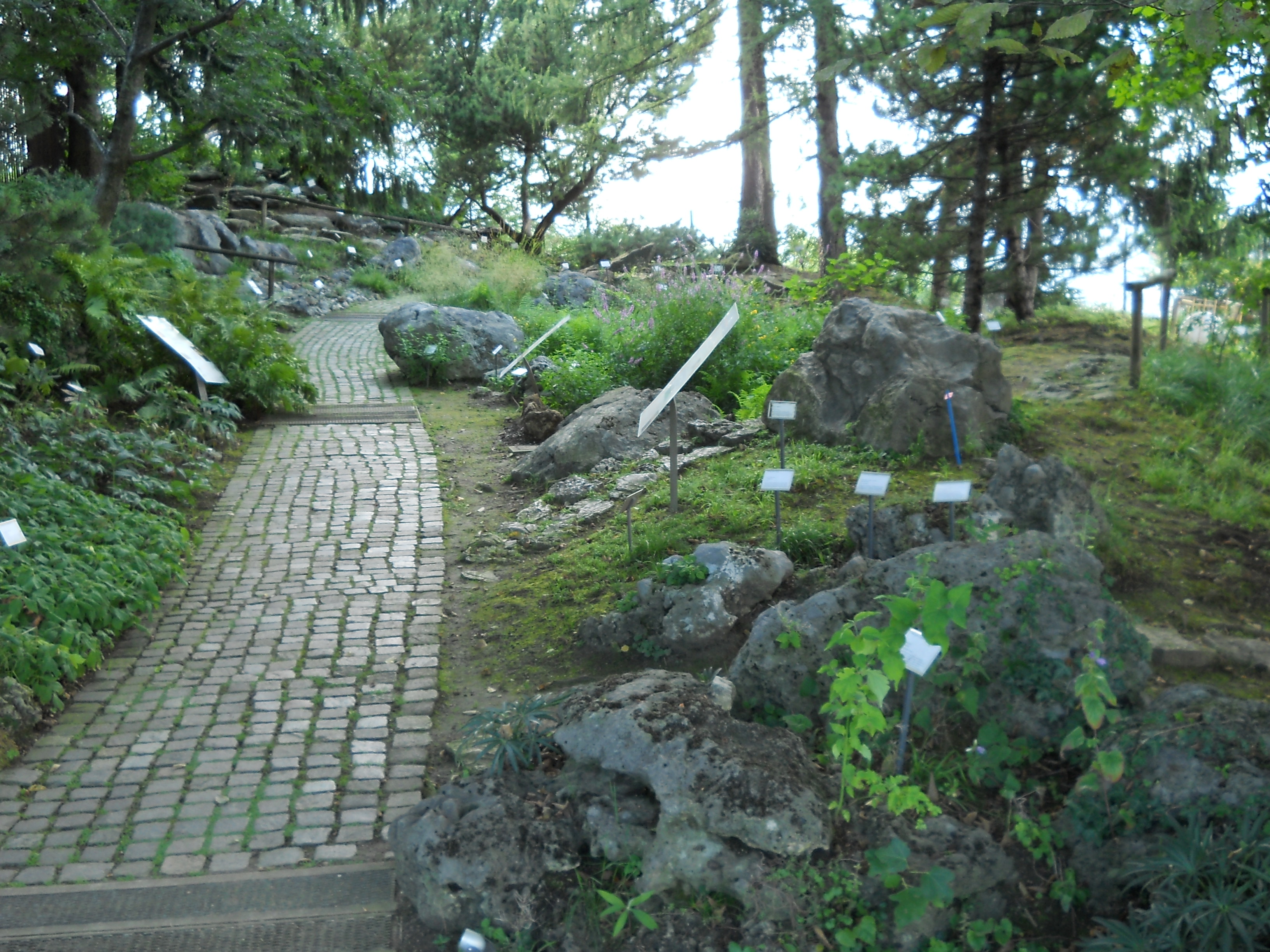
Botanical Garden - Colle Aperto Section - Bergamo
Europe,
Italy,
Bergamo,
The Botanical Garden – Colle Aperto Section, one of the green gems of Bergamo. This place is not just a garden, but an important resource for botanical research and a treasure for nature lovers. Founded in 1771, the botanical garden has become a landmark for the study of plants and biodiversity. With its extraordinary heritage of plant species and the magnificent backdrop of the Bergamasque hills, it represents a corner of tranquility and beauty in the heart of the city. Today we will explore its history, its artistic and natural wonders, and the fundamental role it plays in the cultural identity of Bergamo.Origins and HistoryThe Botanical Garden of Bergamo has ancient origins, dating back to its foundation in 1771. The project was commissioned by Giovanni Battista Gallo, a botanist and naturalist, who desired a place to shelter and study the plants of Lombardy and the world. The initially proposed site was located in the Sant’Agostino area, but in 1825 it was moved to its current position at Colle Aperto, where the beauty of the natural landscape perfectly blends with the scientific vocation of the garden.During the 19th century, the Botanical Garden enriched itself with new plant species, thanks to local and international explorations that led to the importation of exotic plants. Over the years, the garden transformed not only into a center for study and research but also into a place of education for schools and the public. The end of the 19th century brought about a transformation of the structure, with the creation of greenhouses and specific areas for the conservation of species, which are still visible during your visit today.In the following decades, the garden underwent several restorations and expansions. Between 1949 and 1952, for example, significant renovation work was done to modernize the existing structures and improve the growing conditions for the plants. This effort led to the acquisition of a wide range of botanical varieties, making the garden a reference point not only for Bergamo but for all of Northern Italy.Over time, the Colle Aperto Botanical Garden has maintained a strong connection with the territory. Every year it hosts events, exhibitions, and educational activities, bringing the public closer to the world of botany and raising awareness about environmental protection. Today, managed by the University of Bergamo, the garden is a living center where scientific research intertwines with the conservation and enhancement of plant species.What to ObserveAs soon as you step through the threshold, you will be greeted by the captivating panorama offered by the hill. To the left, you will find a series of well-maintained flowerbeds hosting an extraordinary variety of local flora. Each plant tells a story of biodiversity and beauty. Here, you can observe species typical of the Lombard hills that have found a privileged habitat in this garden.As you walk along the main path, you will come across the first of the greenhouses, a glass structure that houses tropical and subtropical plants. The controlled temperature inside creates an ideal environment for species such as orchids, bromeliads, and ferns. Each plant is documented with an informative label explaining its origins and peculiarities.Continuing your stroll, don’t miss the herb garden, a special corner where plants like rosemary, basil, and lavender diffuse enveloping fragrances. Even those who are not experts in botany can appreciate the importance of these species in culinary arts and traditional medicine.To the right of the path, you will find a majestic cedar of Lebanon, a centuries-old tree that has become a symbol of this garden. The grandeur of its canopy pays homage to the history of this place and the time that has passed since it was planted.Delving further, you will also discover an area dedicated to alpine plants, where you can admire rare species that grow at high altitudes. This section of the garden represents an important conservation effort, designed to educate visitors about the mountain ecosystem and the fragility of the alpine environment.Don’t forget to visit the botanical library, where ancient and modern texts are preserved that highlight the history of botany, the art of identifying and classifying plants. This library is an invaluable resource for students and botany enthusiasts, but it also offers interesting insights for the more curious.Finally, you cannot leave the garden without stopping at the viewpoint, located at the top. From here, the view of Bergamo is spectacular. You can admire the historic center with its Venetian walls, a UNESCO World Heritage site, and the surrounding hills that embrace the city in a green hug.Context and ConnectionsThe Colle Aperto Botanical Garden is situated in a remarkable cultural and historical context. Located just a short walk from Bergamo’s Historic Center, this garden is easily accessible and serves as a refreshing pause in the heart of the city. Just a 15-minute walk away is Piazza Vecchia, the beating heart of Bergamo Alta, with its picturesque Palazzo della Ragione and Civic Tower.Nearby, you will also find the Angelo Mai Civic Library, a treasure trove of history and culture, with collections dating back to the 16th century. Another point of interest in the vicinity is the Natural History Museum, which perfectly complements a visit to the Botanical Garden, offering a scientific and historical view of the region’s natural resources.CuriositiesDid you know that the Botanical Garden of Bergamo is one of the oldest in Italy? Its foundation in 1771 makes it a place rich in history and botanical discovery.Furthermore, thanks to its location, the garden plays a fundamental role in research on biodiversity. It is a reference center for the study of native plants of Lombardy and for the conservation of threatened species.Another curiosity is that the garden hosts seasonal events, such as the blooming of rare plants in spring, which attracts curious visitors and botany enthusiasts every year. During these events, it is possible to participate in workshops and meetings with botanists and experts.
Read More