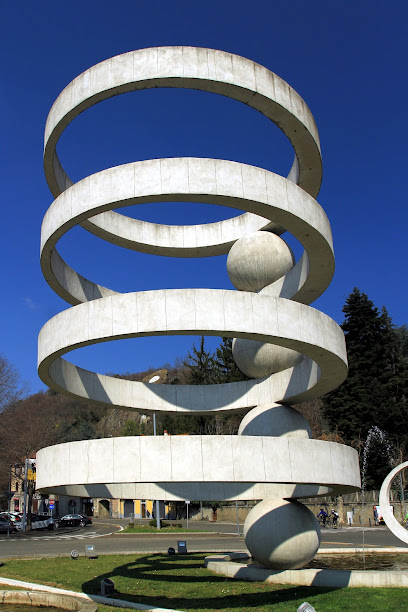
Camerlata Fountain, Como
Europe,
Italy,
Como,
The Camerlata Fountain, located in Como, is one of the city’s most recognizable symbols and represents an important historical and artistic testament. This monumental fountain, built in the 19th century, stands majestically in the Camerlata district, a significant intersection area of the city. The fountain is known not only for its architectural beauty but also for the symbolic value it has gained over time, representing a landmark for residents and tourists alike. It is linked to significant moments in Como’s history and reflects the taste and style of the period in which it was constructed, spanning from the years of the Restoration to the Unification of Italy. The Camerlata Fountain was erected in 1819 based on a design by the local architect Francesco Somaini, who distinguished himself for his neoclassical approach. This style, characterized by simple and elegant lines, emphasized the beauty of forms and a nod to antiquity, aiming to impart an air of classicism to contemporary architecture as well. The water source for the fountain was already known in the 12th century, but the monumental structure we see today represents a true reinterpretation of the past, conceived to beautify and enhance the area. In the decades following its construction, the fountain underwent some modifications and restorations. In the 1930s, for example, a new basin was added, expanding its capacity and visual impact. In 1934, part of the facade was renovated while preserving the original decorative elements that distinguish it. These transformations have never altered its iconic character, but rather helped maintain its presence in the urban fabric of Como. In particular, the fountain assumed additional significance during the Fascist period when it was used as a symbol of territorial rebirth and its fortunate geographical position. In the post-war period, the fountain continued to represent a point of social and cultural aggregation, maintaining its centrality in various municipal events. This makes it not only an artistic work but also an element of cohesion for the Como community. The Facade As we approach the Camerlata Fountain, what immediately strikes us is its facade. It is characterized by an imposing structure made of limestone, skillfully carved by local artisans. We particularly notice the decorative details that tell stories of mythological deities and symbols of the city, such as the lion of Saint Mark, which play a significant role in Como’s tradition. The Central Basin You can observe the large central basin, which is adorned with a beautiful outline of columns arranged to reflect the neoclassical aesthetics of the 19th century. This basin is designed to hold water that flows from a joyful arrangement of smaller fountains, creating an atmosphere of movement and freshness, particularly appreciated on hot summer days. Ornamental Details Very interesting is the complex system of masks that decorate the fountain. These sculpted faces, visible on the columns and sides, contribute to bringing vibrancy to the structure. The enigmatic expressions of the masks offer a human face to the work, creating a dialogue between man and water, fundamental in the collective imagination of Como. The Surrounding Area Once here, do not forget to look up. The fountain is surrounded by an elegant garden, adorned with plants and flowers that provide vibrant colors throughout the seasons. This green space is a perfect place to relax and reflect on the historical importance of this site. The garden itself is a witness to historical and social events that have animated life in Como over the years, making the visitor a part of a tradition that has lasted for centuries. Night Lighting An extraordinary aspect of the Camerlata Fountain is its nighttime illumination. After sunset, the fountain lights up in warm colors, creating a magical atmosphere that attracts many visitors and passersby. This phenomenon is the result of careful design that has managed to enhance the work not only by day but also at night, reflecting the play of light on the water that flows from the fountain. The Camerlata district is one of the most vibrant areas of the city of Como. Here, history, culture, and modernity intersect. The proximity of the Camerlata Fountain to other points of interest such as the monument to Giacomo Puccini and the nearby Archaeological Park of Sant’Abbondio creates a culturally significant path. Continuing from the side of the fountain, I recommend visiting the Church of Sant’Abbondio, a masterpiece of Romanesque architecture, characterized by frescoes and architectural details dating back to the medieval period. The Monument to the Fallen, a tribute to the historical memory of the city, is also nearby and represents another opportunity for reflection on the history and culture of Como. An interesting fact is about the water itself of the fountain. During the period of its construction, it is said that the water from the spring was believed to be purifying and beneficial, so much so that many locals would come specifically to fill bottles and take this precious resource home. Additionally, the Camerlata Fountain has been the subject of various artistic and literary works over the years. Artists and poets have found inspiration in its forms and context, contributing to spreading its fame beyond local borders. Finally, it is worth noting that the Camerlata Fountain has been included in numerous tourist itineraries, making it a must-see stop for anyone visiting Como, recognized as one of the most significant works of the city’s urban heritage. In conclusion, the Camerlata Fountain is not only a work of art but a clear reflection of Como’s historical and cultural identity. It represents a junction between the past and the present, offering all who visit it not only the beauty of art but also a deep connection to the city’s history. Don’t forget to continue your discovery with a visit to the Monastery of Santa Caterina del Sasso and Lake Como for a day dedicated to culture and wonder.
Read More