Charles Dickens Museum
Europe,
United Kingdom,
citta,
Holborn
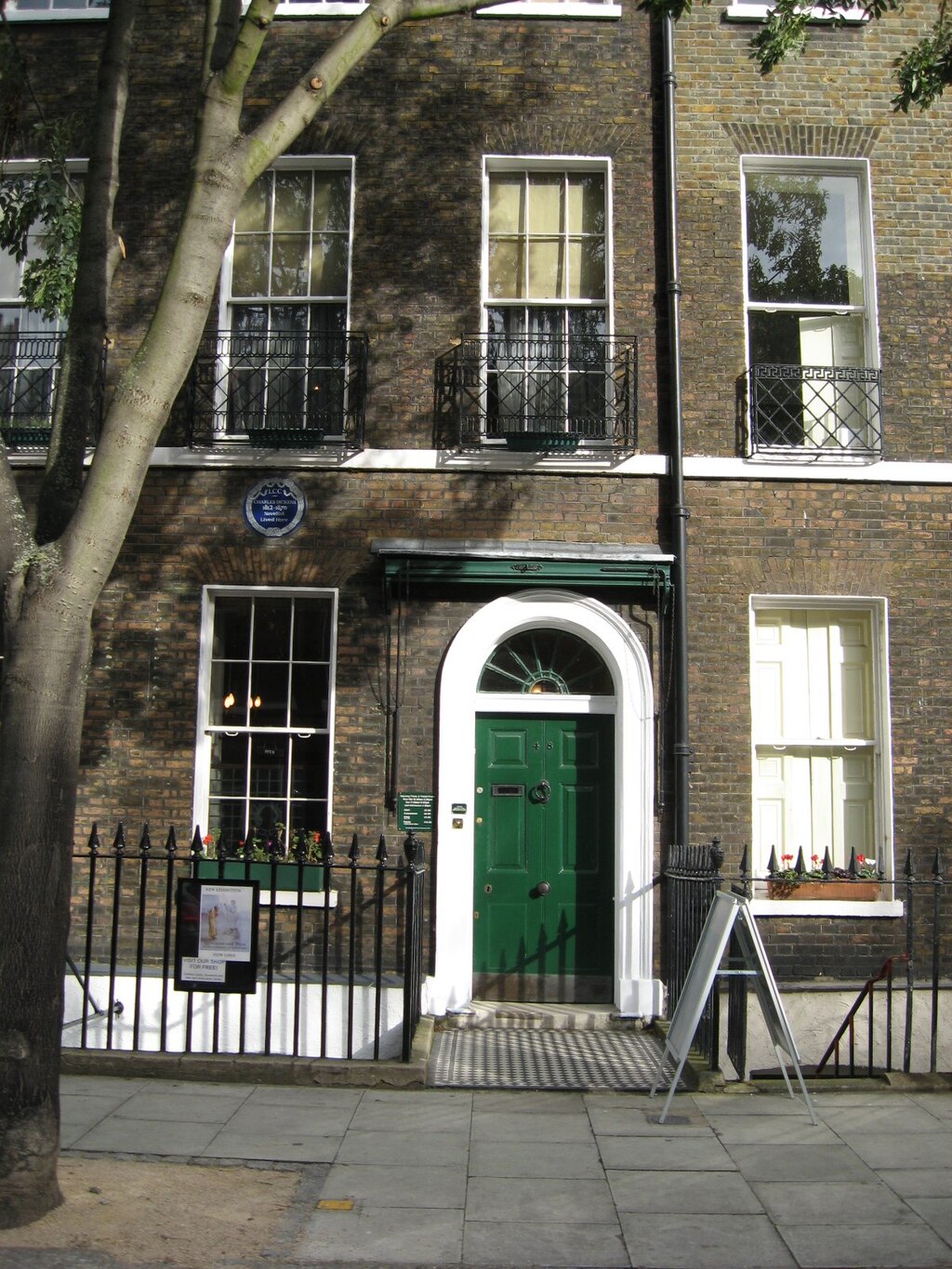
The Charles Dickens Museum, located at 48 Doughty Street in London, offers a fascinating immersion into the world of the famous Victorian writer. This Georgian house is the only surviving London residence of Dickens, where the author lived from 1837 to 1839. During this prolific period, Dickens wrote fundamental works such as “Oliver Twist,” “Nicholas Nickleby,” and “The Pickwick Papers.”
The museum, opened as such in 1925, has been meticulously restored to reflect the Victorian era, offering visitors an authentic glimpse into Dickens’ domestic and working life. The interior spaces retain the original furnishings, including furniture, paintings, and personal items of Dickens and his family, including the desk where he wrote his novels. The visit to the house allows exploration of the study, bedrooms, and kitchens, providing a comprehensive view of daily life in 19th century London.One of the most significant rooms is Dickens’ study, where the prolific author spent long hours writing with a quill pen, often by candlelight. This environment, with its full bookshelves and desk cluttered with papers and ink, is the heart of the house, where many of his most famous works were born. The dining room, on the other hand, testifies to Dickens’ social life, as he often hosted dinners with illustrious figures of the time, including artists, writers, and social activists.A particularly touching section of the museum is dedicated to Mary Hogarth, Dickens’ young sister-in-law who lived with the family and died suddenly in 1837. Dickens was deeply attached to Mary, and her death deeply affected him, influencing his writing in works such as “The Old Curiosity Shop.”The museum also houses a collection of approximately 100,000 pieces, including manuscripts, letters, illustrations, and personal items. Among these is the famous “Grip,” Dickens’ pet raven, which inspired the character of the same name in “Barnaby Rudge” and, according to some, also Edgar Allan Poe’s poem “The Raven.” The museum organizes temporary exhibitions that explore various aspects of Dickens’ life and work, such as the recent exhibition “Faithful Companions: Charles Dickens & His Pets,” which tells the author’s bond with his numerous pets.Dickens’ impact on Victorian society and beyond is undeniable. His writings not only entertained, but also denounced social injustices, factory working conditions, and the treatment of the poor and abandoned children. Through unforgettable characters and compelling stories, Dickens shed light on the issues of his time, influencing social reforms and contributing to the improvement of the living conditions of the most vulnerable.An intriguing aspect of the museum is its location in the Holborn neighborhood, an area of London that Dickens knew well and often appeared in his writings. Visitors can follow in Dickens’ footsteps through the surrounding streets, visiting places that inspired his stories and immersing themselves in the atmosphere of Victorian London.
Read More