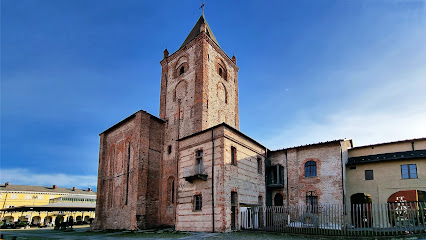
Church of St. Francis – Cuneo
Europe,
Italy,
Cuneo,
The Church of San Francesco, located in the heart of Cuneo, is an extraordinary example of Baroque architecture and a pillar of the city’s cultural identity. Built between 1680 and 1700, this church is not only a place of worship but also an important center for social and spiritual gathering. It is known for its frescoes and the beauty of its interior, which reflects the artistic fervor of the time. The Church of San Francesco, in a historical period marked by profound religious and social changes, is a monument that tells stories of faith and tradition. The origins of the Church of San Francesco date back to the 17th century when the Franciscan congregation, known for its dedication to preaching and charity, decided to erect a new place of worship in Cuneo. Construction began in 1680 and was completed in 1700, during a time when the city was experiencing significant development due to trade and the arrival of new populations. The church was designed in the Baroque style, characterized by rich ornamental elements and an architecture that conveys grandeur and movement. The architect responsible for the design is not definitively known, but it is believed that local influences played an important role in the creation of the structure. Over the centuries, the church has undergone various transformations and restorations. One of the most significant occurred between the end of the 19th and the beginning of the 20th century when interventions were made to maintain and enhance the beauty of the interior frescoes and decorative stuccos. These works helped preserve the church’s artistic heritage, making it a reference point not only for the local community but also for visitors. During World War II, the Church of San Francesco experienced difficult times, but its structure withstood the blows of time and history. Starting in the 1950s, the church became a focal point for liturgical and cultural activity, with events that engaged the population and helped invigorate the role of the church in city life. Today, the Church of San Francesco is an important tourist and religious destination, attracting pilgrims and visitors drawn by its history and artistic heritage. As soon as you step inside the Church of San Francesco, you will be immediately struck by the vastness of its interior. The layout is a single nave, typical of worship buildings from that time, with a deep attention to decorative details. Looking up, you will notice the frescoed vaults that depict religious stories; the artists used a chiaroscuro technique capable of giving depth and dimension to the images. On your left, you will find the first side altar, dedicated to St. Anthony of Padua. Here you can admire a painting depicting the Saint holding the Child Jesus. This type of representation is very common, as it symbolizes the devotion and love of saints for the divine. The side altars, arranged along the walls, are decorated with stuccos and paintings that harmoniously integrate with the Baroque architecture. As you proceed towards the presbytery, on your right, you can see the main altar, a true artistic masterpiece. Made of polychrome marble, it is topped by a spacious decorated vault and crowned by a large crucifix. This area of the church is often the focus of religious services and constitutes an important zone for spiritual gathering for the faithful. Also observe the beautiful candlesticks and decorations that adorn the altars, a testimony to popular devotion and local craftsmanship. The light filtering through the windows, enhanced by artistic stained glass, creates a mystical atmosphere, making the visit even more evocative. Do not forget to spend a moment contemplating the frescoes on the vault, which depict scenes from the life of St. Francis. These paintings are not only a mark of beauty but also recount the life and works of the Saint, contributing to the spread of his message of peace and simplicity. Finally, if you move towards the sacristy, you will find an interesting glimpse into the everyday life of the friars. This part of the church is not only a service area but also a space rich in stories and traditions. The Church of San Francesco is located in the center of Cuneo, a city known for its historical architecture and vibrant local culture. The surrounding neighborhood is characterized by charming cobblestone streets, restaurants, cafés, and craft shops, all expressions of the rich Piedmontese culture. Not far from the church, you can visit the Civic Museum of Cuneo, which houses a diverse collection of art and local history. This museum represents an excellent opportunity to deepen your knowledge of Cuneo’s history and traditions. Additionally, just a few steps away, you will find the Porta Mondovì, one of the ancient gates of the city that dates back to the 15th century and represents an interesting example of military architecture. It was part of the walls that protected the city and today is an important symbol of Cuneo. The Church of San Francesco is also famous for its unique acoustics. During celebrations and concerts, the sound of instruments and voices is amplified, creating an exciting atmosphere for participants. This acoustic phenomenon has been studied and appreciated, making the church an ideal venue for high-quality musical events. Moreover, over the years, the church has hosted numerous artists and poets, becoming a landmark for the culture and spirituality of the city. Its doors are always open to those seeking a moment of reflection or a break from the hectic pace of everyday life. Despite its imposing appearance, the Church of San Francesco is also a place of free access, where anyone can enter and admire the beauty of its interiors. This openness demonstrates the community’s willingness to share its cultural heritage with visitors. Finally, did you know that the church has been the subject of numerous photographs and works of art? Its beauty has inspired many local artists throughout history, making it a subject of continuous exploration and reinterpretation. We invite you to discover other interesting points in the area, such as the Civic Museum of Cuneo and the Porta Mondovì, for an immersive journey into the history and culture of this fascinating city.
Read More