Church of St. Sebastian – Cuneo
Europe,
Italy,
Cuneo,
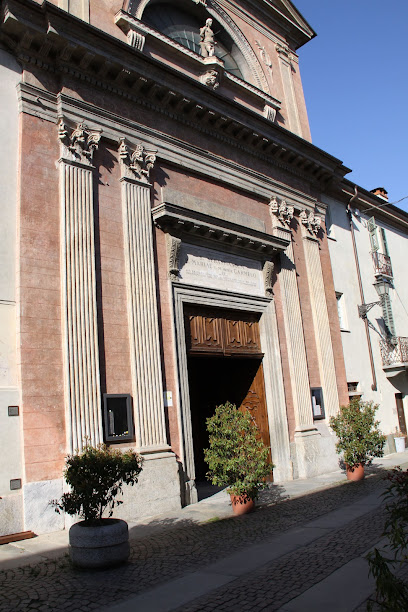
Welcome to the Church of San Sebastiano, an artistic and spiritual treasure located in the heart of Cuneo, a city boasting a rich history and vibrant cultural identity. Built between the 17th and 18th centuries, this church is a testament to popular devotion and Baroque art. It is known for its extraordinary frescoes and captivating architecture, attracting visitors from all over the world every year. The church, dedicated to Saint Sebastian, the Christian martyr known for his protection against the plague, has played a significant role in the life of the local community. Its strategic position makes it a landmark not only religious but also cultural in the city. The origins of the Church of San Sebastiano date back to the period of the Counter-Reformation, a movement that strongly influenced religious art and architecture in Italy. The construction of the church began in 1653, initiated by a confraternity dedicated to Saint Sebastian, which was tasked with protecting the community from plague epidemics. The architect Giovanni Battista Scapitta is recognized as the main designer of the church, and his works reflect the principles of Piedmontese Baroque. During the 18th century, the church underwent several modifications and expansions. Between 1700 and 1730, significant interventions were made that enriched the building with decorations and frescoes. The famous Piedmontese painter Francesco Gallo, known for his dynamic and vibrant style, worked on adorning the ceiling with frescoes that depict the glory of Saint Sebastian and the life of the Madonna. These frescoes not only showcase the artistic skill of the time but also reflect the deep spirituality and devotion of the faithful. During the restoration process that took place in the 1980s and 1990s, the church underwent careful work to preserve the frescoes and internal decorations. This work allowed for the original colors and details that characterize the work of Gallo and other artists to be brought back to light. Thus, the Church of San Sebastiano is not just a place of worship but a true open-air museum, where history, faith, and art intertwine inextricably. In more recent times, the church has continued to play an active role in the religious life of Cuneo, hosting ceremonies, celebrations, and community meetings. This vibrant and participatory dimension has kept the link between the church and the citizens alive, demonstrating how the cult of Saint Sebastian continues to represent a point of reference for many people. Let’s begin our visit. Upon arrival, you will notice the Baroque facade of the church, with its characteristic porch and the large central rose window, which is a distinctive feature of 17th-century religious architecture. The facade is decorated with stucco details that highlight the craftsmanship of local artisans. Next to the porch, you can admire two statues depicting Saint Sebastian and Saint Roch, which symbolize protection against diseases. As you enter the church, you will find yourself facing an impressive nave, characterized by Corinthian columns supporting a barrel vault. To the left, the first notable element is the main altar, made of polychrome marbles, which houses a figure of Saint Sebastian. This work not only represents the saint but is also adorned with angels and decorations that enhance the beauty of the Baroque style. Moving towards the left side of the church, you cannot miss the frescoes on the ceiling, the result of Francesco Gallo’s genius. The paintings depict a series of sacred scenes, including the Madonna on the Throne and the patron saints of the city, conveying a sense of enveloping spirituality. The vibrancy of the colors and the dynamics of the poses give an impression of movement and life to the entire space. Continuing along the nave, you come to the chapel of Saint John, a very evocative corner. Here you will find an altar dedicated to Saint John the Baptist, with a statue dating back to the 18th century. This chapel is an example of how religious art interacts with popular devotion, calling the faithful to pray. On the right side of the church, you will find the chapel of Our Lady of the Rosary, decorated with frescoes illustrating the mysteries of the rosary. This chapel, less known but no less fascinating, offers an intimate and welcoming atmosphere, perfect for personal reflection and prayer. Another element you cannot miss is the bell tower, which stands majestic on the city’s skyline. Its construction dates to a period after that of the church and represents an excellent example of Baroque architecture. From the top of the bell tower, you can enjoy a spectacular view of Cuneo and the surrounding mountains. Finally, take note of the architectural details that enrich the interior walls, such as the decorated capitals and carved frames, all elements that testify to the skill of the artisans of the time. These particulars, often overlooked, tell stories of devotion and art that have characterized centuries of history. The Church of San Sebastiano is set in a rich and varied urban context, located near Piazza Galimberti, a central and lively place in the city of Cuneo. Here, city life blends with tradition, creating a unique atmosphere. Just a short walk from the church, you can find the Civic Museum of Cuneo, which houses a collection of artworks and historical artifacts, perfect for deepening your knowledge of the local culture. Another nearby attraction is the Palazzo della Prefettura, a beautiful example of neoclassical architecture, where you can admire valuable frescoes and decorations. The proximity of these cultural institutions makes the neighborhood around San Sebastiano particularly rich in history and art. Additionally, it is advisable to visit the Church of San Francesco, located not far from the Church of San Sebastiano. This church is famous for its frescoes and Gothic architecture, elements that offer an interesting contrast to the Baroque style of San Sebastiano. An intriguing fact about the Church of San Sebastiano is that the saint is considered one of the protectors against the plague, and his figure is often associated with rituals of protection. This partly explains his popularity during past epidemics, which led the confraternity to build the church during a time of great fear and uncertainty. Moreover, the church houses some ex-votos, traditional offerings from the faithful to Saint Sebastian as a sign of gratitude for the protection received. These objects, tangible testimonies of personal stories, are a reminder of the deep faith that has characterized the life of the community over the centuries. Thank you for exploring the Church of San Sebastiano with us. We invite you to continue your discovery by visiting the Civic Museum of Cuneo and the Church of San Francesco, places that will enrich your experience in the historic city of Cuneo.
Read More