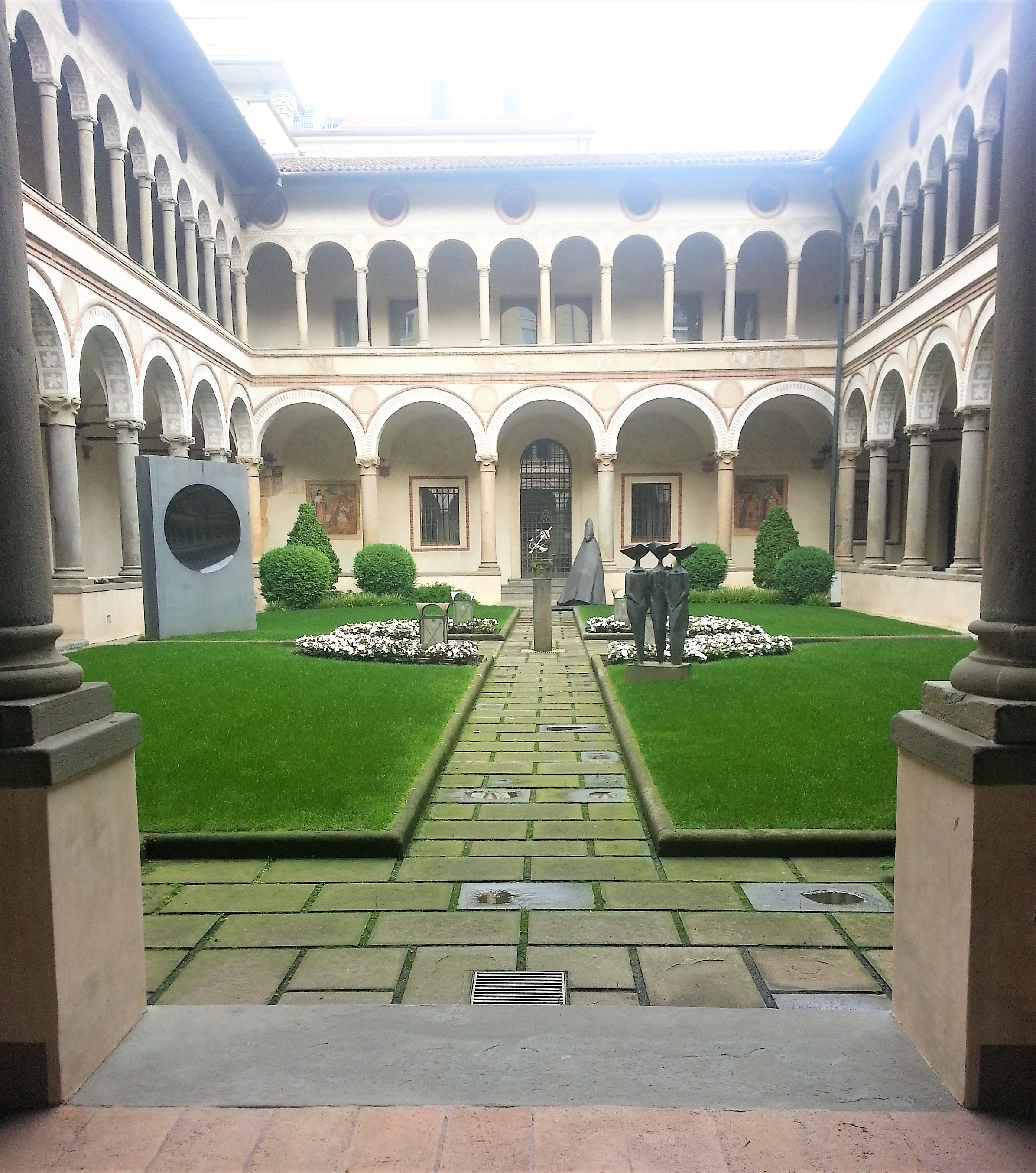
Cloister of Santa Marta - Bergamo
Europe,
Italy,
Bergamo,
The Cloister of Santa Marta, a corner of serenity immersed in the heart of historic Bergamo. This place, dating back to the 14th century, plays a fundamental role in the identity of the city. Originally part of a monastery for Augustinian friars, it is now known for its extraordinary architectural charm and contemplative silence, which offers a pause from urban hustle and bustle. It is a perfect example of Lombard medieval art and spirituality, where the echoes of monastic life can still be felt. During your visit, you will discover not only the beauty of the cloister but also its fascinating history, marked by significant events that have shaped the city over the centuries.Origins and HistoryThe Cloister of Santa Marta was founded in 1348 when the Augustinian community settled in this area to dedicate themselves to monastic life and to the care of the local community. This period is characterized by a growing cultural and religious ferment in Lombardy, favorable to the realization of architectural works inspired by Gothic and Renaissance models. The construction of the cloister, like much of the religious buildings of the time, reflects the artistic trends of the era, with simple yet elegant decorative elements.In the 15th century, the cloister underwent an important restructuring to expand and beautify the space, aligning with emerging styles. Between 1500 and 1600, the intervention of local artists brought new vibrancy to the building, with frescoes and decorations enriching the interior.The monastery remained active until the end of the 18th century when it was abandoned due to the suppression of religious orders during the Napoleonic period. In the following years, the cloister served various uses, losing part of its originality and function. However, thanks to a series of restoration interventions initiated in the second half of the 20th century, the Cloister of Santa Marta managed to recover its historic beauty. In 1975, the cloister was declared a national monument, recognizing its historical and cultural importance.Today, the Cloister is an integral part of the activities of the Museum of the City of Bergamo and hosts cultural events, exhibitions, and activities that celebrate local history. Its architecture and serene environment continue to invite reflection and contemplation, making this place even more significant.What to ObserveUpon entering through the main door, you will be confronted with a striking architecture that welcomes you. The facade of the cloister features elegant pointed arches, a classic example of Lombard Gothic. Observe the details of the column capitals, which showcase floral decorations and religious symbols, testifying to the skill of the artisans of the time.As you proceed through the cloister, you will discover the square of the cloister itself, a central area surrounded by porticoes. The porticoes, with their slender columns and pointed arches, create an intimate and tranquil atmosphere. Here, take a moment to savor the silence and peace that permeates the space. Behind you, notice the walls that enclose the cloister, a testament to a monastic past that still tells stories of everyday life.Climbing up the access stairs to the first floor, you will immediately appreciate how the frescoes on the ceiling tell the spirituality of the Augustinian friars. You will find religious scenes that invite reflection, a perfect example of how art can communicate even without words. Each represented figure has a deep meaning, linked to the religious tradition of the Augustinian Order.Moving towards the southern side of the cloister, seek out the elegant upper cloister, with its terracotta floor and pointed arches that create a sense of lightness. Here, the arched windows provide brightness to the environment, making it perfect for meditation or reading. Observe the architectural details, such as the decorations of the cornices and the details of the columns.Inside, don’t forget to pause at the small chapel dedicated to Santa Marta. The chapel is a refuge of spirituality, decorated with reverence, and represents an excellent opportunity to reflect on the life of the friars who inhabited the cloister. The statues and paintings present here are also noteworthy, bearing witness to the religious artistic traditions of the period.Finally, if you find yourself outside, do not hesitate to explore the adjacent gardens. Although more modern, these green spaces offer an additional dimension of relaxation and beauty. The gardens are the ideal place for a quiet stroll, inviting contemplation of the beauty of the surrounding architecture and harmony with nature.Context and ConnectionsThe Cloister of Santa Marta is located in one of the most fascinating areas of Bergamo, just a short walk from the city’s historic center. This neighborhood, steeped in history and culture, still retains its medieval charm today. The presence of other monuments like the Basilica of Santa Maria Maggiore and the Colleoni Chapel further enriches the importance of this area.Not far from the cloister, the House of Riccardo, a renowned writer and art critic, provides an interesting visit for culture lovers. Additionally, heading towards the center, you will find the Civic Library Headquarters, another great place to delve into the history of Bergamo through its publications and archives.If you have time, take the opportunity to also explore the Castle of San Vigilio. Located on a hill overlooking the city, the castle offers breathtaking panoramic views of Bergamo and the Alps. Its history has roots in the Middle Ages and represents another fundamental piece of the city’s historical and cultural puzzle.CuriositiesA small curiosity about the Cloister of Santa Marta is that it was used not only as a place of prayer but also as a space for community meetings. This highlighted the importance of the cloister not just for the friars, but also for the local population.Furthermore, the restorations of the 20th century uncovered previously hidden frescoes, partially rewriting the artistic history of this place. This revealed new facets of local religious art and helped reinvigorate interest in the city’s cultural heritage.Another curiosity relates to the flora surrounding the cloister. The garden was designed following the concept of a medieval botanical garden, where every plant had symbolic meaning, a medicinal use, or a connection to religious elements.
Read More