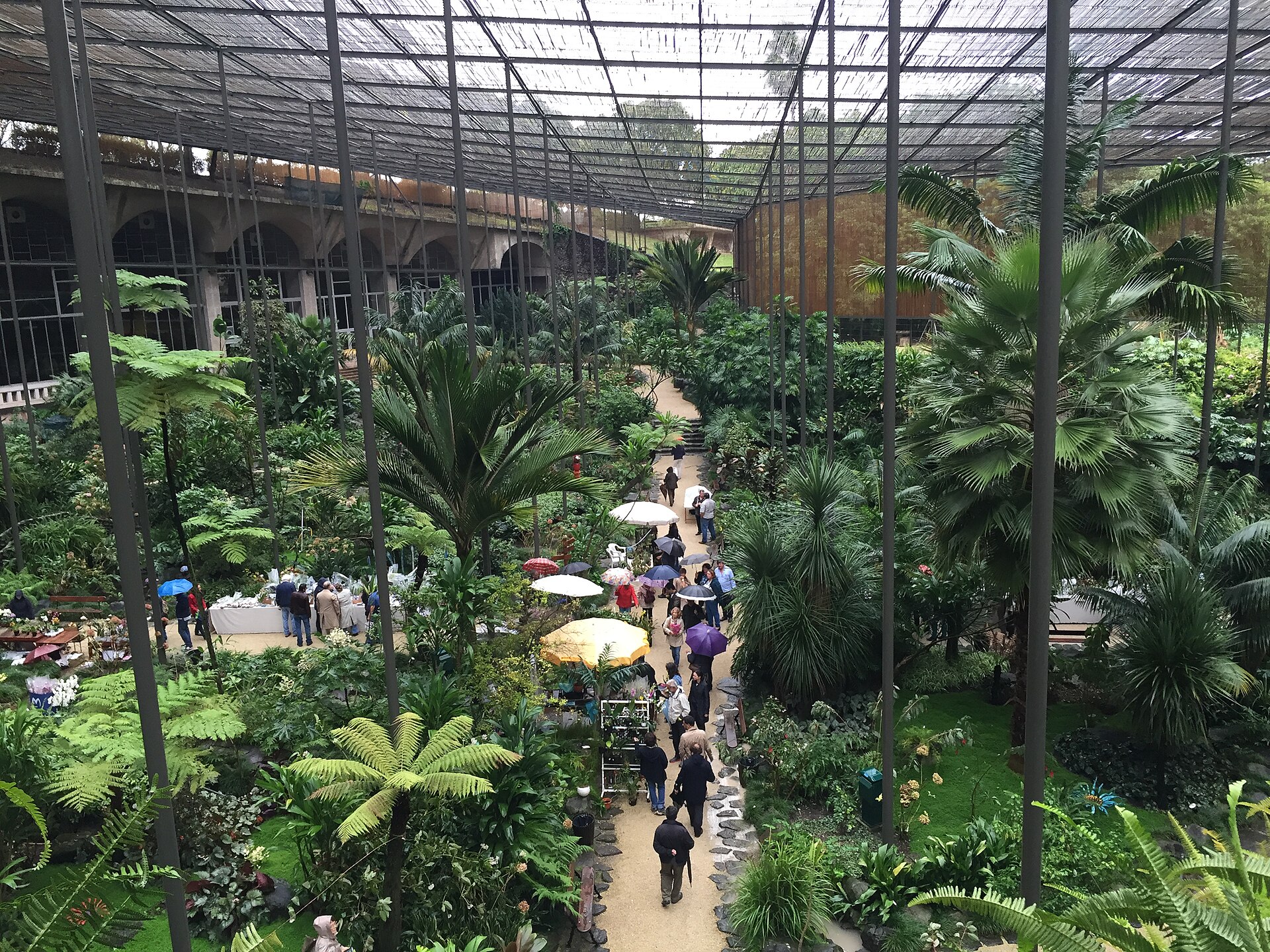
Cold greenhouse
Europe,
Portugal,
citta,
Parque Eduardo VII
The Estufa Fria, located in Parque Eduardo VII in Lisbon, is one of the most enchanting botanical attractions in the city. Also known as Estufa Fria, this covered botanical garden represents a perfect blend of nature and architecture, offering a green refuge in the bustling heart of the Portuguese capital.
The history of Estufa Fria dates back to the early 20th century. Originally an ancient basalt quarry, the area was transformed into a botanical garden in 1912 under the supervision of architect Raul Carapinha. The idea of using this space arose almost by chance, when the plants stored in the quarry waiting to be transplanted began to thrive thanks to the favorable microclimate. This fortuitous event prompted the authorities to further develop the project, creating one of the most suggestive green spaces in Lisbon.Estufa Fria is divided into three main areas: the Estufa Fria itself, the Estufa Quente, and the Estufa Doce. The first, the Serra Fria, is an unheated garden that hosts a wide range of plants from temperate climates. Here, visitors can admire ferns, camellias, azaleas, and many other plant species arranged along shaded paths, waterfalls, and ponds. The other two heated greenhouses house tropical and subtropical plants, including cacti, palms, and carnivorous plants, creating a fascinating contrast with the more temperate environment of Serra Fria.The atmosphere inside Estufa Fria is unique. The artificial caves, wooden bridges, and watercourses create an almost fairy-tale environment, where visitors can get lost among the scents and colors of the plants. During the summer months, the garden often hosts exhibitions and cultural events, making it a meeting point for artists and nature lovers. For example, in December 2023, Estufa Fria was the stage for the exhibition “ChromaFlora,” an event that combined physical and digital art to explore the relationship between nature and technology. The location of Estufa Fria within Parque Eduardo VII adds an additional level of interest. The park, which extends over a hill with views of the city center and the Tagus River, is one of the largest green spaces in Lisbon. It is named after King Edward VII of England, in honor of his visit to Portugal in 1903, and offers a series of scenic paths, gardens, and open spaces that invite strolling and contemplation.
Read More