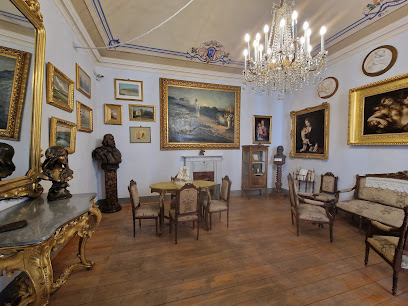
Domenico Galimberti House Museum – Cuneo
Europe,
Italy,
Cuneo,
Welcome to the Domenico Galimberti House Museum, a place that offers a unique glimpse into the life and art of one of the most significant artists of 20th century Italy. Located in Cuneo, this house museum is the result of a fascinating journey through history, creativity, and hospitality. The house, where Domenico Galimberti lived and worked, is known not only for its paintings but also for the atmosphere it exudes, transporting visitors back in time. Founded in 1990 and opened to the public, the House Museum aims to preserve the artistic and cultural heritage of the artist. Here, we can breathe in the essence of Cuneo in the 1930s and 1940s, a period rich in innovations and changes. Domenico Galimberti was born in 1894 in Cuneo and grew up in a family environment that encouraged art and culture. He began painting at a young age, and his talent was quickly recognized. In 1919, after participating in World War I, Galimberti resumed his artistic activities with renewed fervor, contributing to the figurative art movement in Italy. In 1930, he moved into the house that now hosts the museum. This building, in itself, is an important example of popular Cuneese architecture, characterized by stone and brick details. Galimberti dedicated himself to his art in this space, creating some of his most famous works. The house became a genuine laboratory of ideas and creativity. During the 1940s, the artist engaged in the cultural and social life of Cuneo, collaborating with other artists and intellectuals of the time. Despite the difficulties of the wartime period, he continued to work tirelessly, establishing himself more and more in the national artistic scene. In the 1980s, Galimberti decided to transform his home into a museum to give visibility to his works and his story. The House Museum was inaugurated in 1990, a few years after his death in 1989. Since then, this place has welcomed visitors from all over and has played a significant role in enhancing the cultural heritage of Cuneo. The House Museum is not just an exhibition of works, but a stage for events, temporary exhibitions, and initiatives that celebrate local art and culture. The renovation of the building has preserved the original charm of the house, combining modernity and tradition with respect for history. Today, numerous materials and documents are available to delve deeper into Galimberti’s life and work as well as the artistic context of his time. Let us begin our visit at the façade of the House Museum. It presents a simple yet elegant appearance, typical of Cuneese architecture. Notice the perfectly preserved wooden balconies that adorn the second floor. These elements not only give character to the building, but also reflect the lifestyle of the Galimberti family, which was strongly tied to local tradition. Upon entering the museum, we find ourselves in the hall that serves as an introduction to the artist and his work. Here, portraits and photographs of Galimberti are displayed, telling us about his life and work. Notice the warm and welcoming lighting that immediately invites exploration. Continuing on, to our left we can observe the first exhibition room. Here, art lovers can admire some of his most significant works. In particular, the still lifes created by Galimberti are extraordinary. Using a palette of warm colors, the artist manages to infuse life and movement even into the most static subjects. Each painting tells a story, often connected to the territory and local traditions. On the right, we find Galimberti’s studio, still furnished as it was in his time. This space is a true testament to his creative process. The exhibited objects, such as brushes and palettes, offer a fascinating glimpse into the daily life of a 20th-century artist. Let’s move on to the next room, dedicated to works on canvas. One of the highlights of the collection is certainly the famous painting “The Market of Cuneo.” Here, Galimberti captures a moment of everyday life, animating the market with vibrant colors and palpable energy. This work is not just a painting; it is a historical document that allows us to understand the city during the 1930s. At the heart of the House Museum, on the upper floor, you will find the library. This space is dedicated to studying and researching the artist and art in general. The walls are filled with books and magazines from the 20th century. It is an important reference point for scholars and enthusiasts. Finally, do not forget to take a look at the garden. This simple but charming green space is a true oasis of tranquility in Cuneo. Here, Galimberti often found inspiration and refuge. Today, the garden is a place where visitors can rest and reflect on the art they have just discovered. The Domenico Galimberti House Museum is set in an urban context rich in history and culture. Cuneo, founded in 1198, has always played a strategic role due to its location. Today, while strolling through the historic center, it is possible to admire other points of interest, such as the historic Galimberti Square, dedicated to the majestic monument that celebrates the heroic commitment of the Cuneo people. Not far from the House Museum is the Civic Museum of Cuneo, which hosts works by local artists and cultural events. This institution complements the visit to the house museum, allowing for further exploration of the city’s artistic history. Another point of interest nearby is the Church of San Francesco, an example of Gothic-Baroque architecture, which is worth a visit for its extraordinary works of art and historical charm. Few know that Domenico Galimberti collaborated on various social initiatives, using his art to support local causes. During World War II, he created works to raise funds for those suffering because of the conflict. Another interesting aspect is his aversion to artistic movements that tended to distance themselves from reality. Galimberti dedicated himself to promoting themes related to the territory and everyday life, becoming a spokesperson for an authentic and popular culture. In addition, the House Museum has been chosen as a venue for events and artistic manifestations, helping to keep Galimberti’s memory alive and stimulate new talents in the field of contemporary art. This text is based on verified public sources as of the date of writing; variable information (hours/prices) should be avoided.
Read More