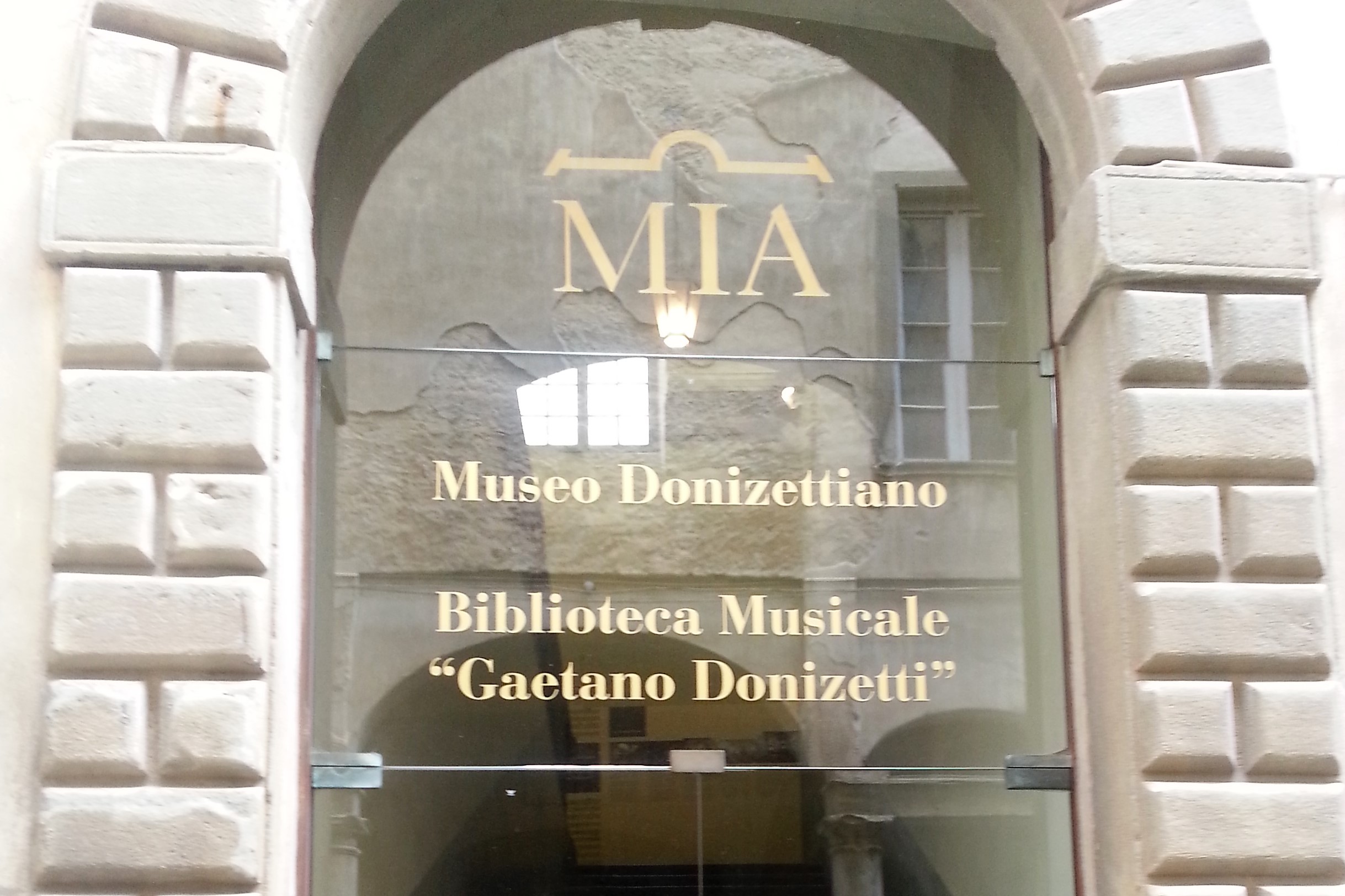
Donizetti Museum - Courtyard - Bergamo
Europe,
Italy,
Bergamo,
The Donizetti Museum in Bergamo represents an important milestone for the recognition of the city’s cultural identity. Inaugurated in 1897, the museum is dedicated to the life and work of Gaetano Donizetti, one of the most influential opera composers of the 19th century. Bergamo, the birthplace of Donizetti, is known not only for its artistic and architectural heritage but also for its musical tradition. The figure of Donizetti, who was mainly active in the early decades of the 19th century, has left an indelible mark on the history of music, thanks to famous operas like “L’elisir d’amore” and “Lucia di Lammermoor.”Origins and History The Donizetti Museum is located in the Casa Carrara complex, a historically significant building dating back to the 16th century. The creation of the museum was strongly desired by the Donizetti Society, founded in 1888, with the aim of preserving and enhancing the memory of the composer from Bergamo. The museum’s collection, which has expanded over the years, includes documents, musical scores, portraits, and personal belongings of Donizetti.The museum underwent significant changes and expansions throughout the 20th century. In 1927, on the occasion of the centenary of Donizetti’s death, a commemorative exhibition was organized, displaying various works and memorabilia, helping to establish it as an important reference point for scholars and music enthusiasts. In the 1990s, the museum benefited from restoration and renovation, thanks to public and private funding, to improve its exhibition facilities and increase accessibility for the public.Today, the Donizetti Museum not only preserves the memory of the composer but also proposes events, concerts, and lectures, bringing Donizetti’s work to life through new generations of musicians and audiences. Its significant collection of musical and historical documents represents a valuable resource for both musicologists and casual enthusiasts.What to Observe Now let’s explore what makes the Donizetti Museum unique. Starting from the entrance, you will notice the museum’s façade, decorated with neoclassical style elements. As soon as you enter the main hall, to your left, there is a large informational panel outlining Donizetti’s biography, with details about his musical education and career. In this section, you will find a colorful representation of his most celebrated works.Continuing through the various rooms, you will find a vast collection of original manuscripts. These documents, carefully preserved, include works such as “Lucia di Lammermoor,” a masterpiece of romantic opera. An interesting fact is that Donizetti wrote over 70 operas, and the museum houses testimonies of his prodigious creative activity.On the other side of the hall, portraits of Donizetti and his contemporaries invite you to immerse yourself in the cultural context of the time. You will notice how the portraits express a society experiencing great artistic fervor. As you wander through the museum, you cannot help but observe also the section dedicated to musical instruments of the time, some of which were used for the first performances of his operas.Don’t forget to visit the small inner courtyard, a tranquil corner within the museum. Here you can reflect on Donizetti’s life, surrounded by a relaxed atmosphere and a well-kept garden that recalls the places where the composer loved to stroll. The arrangement of musical instruments and floral decorations creates an ideal setting for a meditative pause.Another notable section is dedicated to stage costumes. You will be able to admire outfits worn during the performances of Donizetti’s operas, offering you an interesting glimpse into the fashion and theatrical scenery of the 19th century. The stylistic elements reflect not only the historical period but also the charm and interest that the works aroused among his contemporaries.Finally, don’t forget to visit the exhibition hall for temporary shows. This area presents exhibitions that change throughout the year, exploring different aspects of the composer’s life or themes related to opera music. The opportunity to discover new perspectives makes each visit unique.Context and Connections The Donizetti Museum is located in the Upper Town district, an area rich in history and culture. The proximity to the Donizetti Theatre, which regularly hosts performances of the composer’s works, creates a direct connection between the museum and contemporary music. Another interesting place to visit nearby is the Basilica of Santa Maria Maggiore, which has a rich artistic and architectural history. Here you can find frescoes and works of art that testify to the flourishing culture of Bergamo.Not far away stands the Palazzo della Ragione, which may capture your interest with its medieval architecture and exhibition spaces. Walking through the streets of Upper Town, it is easy to feel immersed in an atmosphere of timeless beauty, reflecting the greatness of artists like Donizetti and the cultural heritage of Bergamo.Curiosities One interesting fact to note is that Donizetti, throughout his career, visited numerous European cities, including Paris and Vienna, where his music achieved great success and admiration. Additionally, it is said that the composer had a particular bond with his homeland and often returned to Bergamo for inspiration and reflection on his works.Another intriguing anecdote concerns the cycle of operas he wrote during the time he was afflicted by illness; in particular, it refers to his struggle with mental health issues that eventually affected him. Even during this period, his creativity did not stop, and he continued to compose works that would mark the history of music.In conclusion, we face an extraordinary opportunity to immerse ourselves in the life and works of one of the greatest opera composers. We encourage you to continue your exploration in the heart of Bergamo, discovering the Donizetti Theatre and the Basilica of Santa Maria Maggiore, for a journey that intertwines culture, music, and history.
Read More