Educational Aquarium – House of the River – Cuneo
Europe,
Italy,
Cuneo,
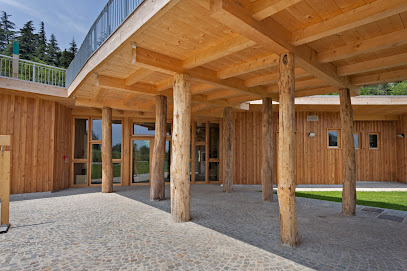
The Educational Aquarium – River House of Cuneo represents an important attraction for the city, not only as a center for environmental education but also as a place for deeper understanding of the aquatic biodiversity of the rivers and lakes of Piedmont. Inaugurated in 2005, this unique space particularly focuses on the watercourses of the territory, providing a direct interface between visitors and the aquatic world, thus helping to foster environmental awareness among both young and old. The Aquarium is situated within a context rich in history and culture, highlighting the importance of rivers in the life and traditions of the region. The Educational Aquarium of Cuneo is part of a broader project aimed at enhancing and educating about aquatic biodiversity. Its creation was promoted within the framework of local policies dedicated to sustainability and environmental conservation. The site was chosen for its strategic position along the Gesso River, which runs through the city, creating a direct link with the local river ecosystem. The project took shape starting in the 2000s, when the municipal administration, motivated by the intention of raising citizens’ awareness regarding the importance of environmental conservation, decided to combine education and enjoyment. The structure is equipped with tanks that faithfully reproduce the natural habitats of local fish and other aquatic organisms. Each tank is dedicated to a different ecosystem, ranging from mountain streams to lakes, with particular attention to the fish typical of Piedmont’s river fauna. In 2005, the Aquarium was officially inaugurated, and since then it has continued to grow and evolve. Over the years, numerous educational programs and activities have been implemented in collaboration with schools, associations, and industry experts. The Educational Aquarium has thus taken on a central role in promoting environmental awareness and the protection of water resources, becoming a model of best practice in Italy. As soon as you arrive at the Educational Aquarium, you will be welcomed by a modern and inviting facade, designed to reflect the connection with the aquatic environment. The structure is immersed in greenery and surrounded by outdoor spaces that invite walking and contemplation. Upon entering, the first thing you will notice is the spacious hall, where a large central tank is located. This tank represents a typical ecosystem of Piedmont’s rivers. Here, you can observe various species of fish, such as trout and barbel, along with aquatic organisms like amphibians and crustaceans. The water is maintained at a controlled temperature, and every aspect of this habitat is designed to provide as natural an environment as possible. Continuing on your tour, you will come across different thematic areas. To your right, there is a section dedicated to freshwater fish. The tanks showcase specimens such as catfish and pike, well known in the river environment. Each tank is accompanied by informative panels explaining the importance of these species in the ecosystem and the issues they face, such as pollution and habitat loss. Next comes the section dedicated to aquatic invertebrates. Here you can see insects, crabs, and other organisms that play a key role in the health of rivers. These organisms are often undervalued, but they are essential as they serve as indicators of water quality. If you listen closely, you will also find information on how these small inhabitants can influence the life of aquatic ecosystems. Another point of interest is the tank dedicated to exotic fish, which has been very popular among visitors. These fish come from aquatic environments around the world, and their exhibition helps to understand the diversity of global aquatic life. This section is particularly fascinating for the variety of colors and shapes, making it a point of attraction for marine biology enthusiasts. A unique aspect of the Aquarium is its commitment to education and awareness. Before you leave, you can visit the classroom, where workshops and activities for schools are organized. Here, young people can learn about aquatic fauna through hands-on experiences, such as direct observation of organisms and interactive activities. Finally, don’t forget to explore the outdoor spaces. Around the Aquarium, you can find a naturalistic path that winds along the Gesso River. These trails offer the opportunity to directly experience the flora and fauna of the river, further enriching your visit. The Educational Aquarium is located in a privileged position within the context of Cuneo’s historic center. The city is renowned for its architectural beauty and its connection with nature. Another place of interest nearby is the Gesso and Stura River Park, which extends for several kilometers along the local waterways. This park offers trails and picnic areas and is the ideal spot for nature lovers who want to deepen their knowledge of river ecosystems. Moreover, not far from the Aquarium is the Cuneo Civic Museum, which houses a collection of artworks and historical artifacts that tell the story of the city. This museum provides an overview of local culture and traditions, perfectly complementing the educational experience offered by the Aquarium. Don’t miss the Church of San Francesco, an important stop for those wanting to discover Cuneo’s artistic heritage. This church, with its picturesque garden and Gothic architecture, is an excellent starting point for understanding the historical significance of the city. An interesting element of the Educational Aquarium is that it also offers the opportunity to participate in environmental monitoring, where visitors can join experts to observe and record aquatic life in the surrounding waterways. This initiative has been appreciated by schools, allowing young people to have a direct connection with nature and experience scientific research work. Furthermore, the Aquarium promotes periodic meetings with experts in ecology and biology, creating a bridge between scientific knowledge and the community. These events are essential for stimulating discussions and reflections on the conservation of the natural environment. Finally, the Educational Aquarium also has a small library dedicated to volumes and resources on ecology and aquatic biology, making it a valuable source for anyone wishing to deepen their knowledge of the subject.
Read More