Educational Silk Museum, Como
Europe,
Italy,
Como,
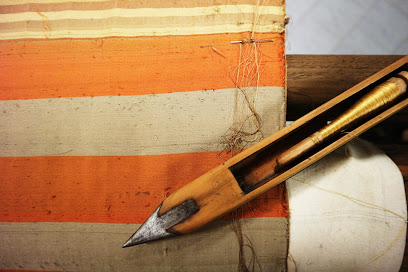
Welcome to the Educational Silk Museum of Como, a place that embodies the rich silk tradition of the city. Founded in 1998, the museum is housed in a historic building that testifies to centuries of silk production and processing, an industry that has shaped the economic and cultural identity of Como since the Middle Ages. This museum is not just a place of exhibition, but a true space for education and discovery that will take you to explore the world of silk, from the raising of silkworms to the creation of fine fabrics. Visitors can appreciate not only the finished products but also gain a deep understanding of the craftsmanship and history surrounding them. The history of silk in Como begins in the 13th century, when the city began to emerge as an important center for textile production. During the medieval period, Como merchants specialized in spinning and weaving silk, thanks to the city’s favorable geographical position, which facilitated trade with the East. The raw material was imported from Asia, while the local know-how developed, creating a solid artisanal tradition. In the course of the 16th century, the silk industry of Como further expanded, so much so that during the 1800s numerous factories were established. This development was not only economic but also led to significant cultural progress, with the creation of a series of designs and patterns that influenced European textile design. Starting from the late 19th century, Como became the magician of Italian silk, with the birth of brands and fashion houses that to this day are synonymous with quality and precision. Over the years, production has undergone various changes and challenges: from industrialization to international competition, Como weavers have had to adapt. It is in this context that the idea of creating a museum dedicated to this tradition emerged in 1998, to preserve and enhance an invaluable cultural heritage. Here, visitors can not only observe but also learn, thanks to workshops and educational activities designed for all ages. Upon entering the museum, you will find yourself in an exhibition hall dedicated to the history of silk. One of the first things you will notice is an ancient spinning machine, a key exhibit that testifies to traditional silk processing techniques. This machine is an example of how local artisans have used technology to improve the quality and efficiency of production. Continuing on your left, you will find a collection of sketches and original designs used by weavers. These illustrated works are not only beautiful to see but also represent the creativity and innovation that have characterized Como silk production over the centuries. Each sketch tells a story of unique fabrics, many of which have been used in high fashion garments. Inside the museum, don’t forget to also look at the displayed fabric samples: from damasks to brocades, each piece is a masterpiece that reflects the artisanal skill and heart of Como tradition. Each specimen is accompanied by a description that illustrates its characteristics and history. Ascending to the upper floor, you will find a section dedicated to the zoology of silk, with a focus on the raising of silkworms. Here, you will learn how these small insects are fundamental to the entire production process. It is fascinating to discover the importance of silkworms in the silk cycle and how their care requires specific skills and great patience. Another section not to be missed is dedicated to the phases of dyeing and printing silk, where you can see demonstrations of traditional dyeing techniques using natural dyes. This is not only a journey into history but also an opportunity to reflect on the importance of sustainability in the textile industry as well. Finally, in the education section, you will find interactive activities designed to engage visitors of all ages. Through these hands-on workshops, you will have the opportunity to try weaving or dyeing, taking home a personal memento of this experience. The Educational Silk Museum is located in the heart of Como, just a short walk from the shores of the lake. This historic neighborhood is not only a hub of the silk industry but also a center of tourist attraction. A short distance away is the Como Cathedral, a masterpiece of Gothic architecture that is certainly worth a visit. The cathedral, dedicated to Santa Maria Assunta, has a rich and varied history and is a perfect example of Italian artistic and architectural mastery. Also not far away, you can visit the Volta Temple, dedicated to the illustrious scientist Alessandro Volta, a native of Como. This museum, which celebrates Volta’s life and inventions, represents an interesting link between science and craftsmanship, highlighting the importance of innovation in the history of this city. Finally, don’t forget to take a walk along the lakeside, a beloved area for locals and tourists alike, where the atmosphere is infused with the beauty of the lakeside landscape and the surrounding mountains. Did you know that Como is also known for its famous silk fabrics? In the 1950s, the first example of fabric printed with the screen printing technique was created right here. This innovation further revolutionized the textile industry. Another curiosity is the famous “Como Knot,” a particular type of silk fabric characterized by its robustness and brightness, specifically designed for use in ties and scarves. Furthermore, the Educational Silk Museum periodically hosts temporary exhibitions showcasing new artists and contemporary designers who use silk as their main material, ensuring continuity and innovation of a tradition that lives in the present. In conclusion, we invite you to continue your exploration of Como, immersing yourself in its silk and cultural heritage. The city offers endless opportunities for exploration, where every corner hides exciting stories waiting to be told.
Read More