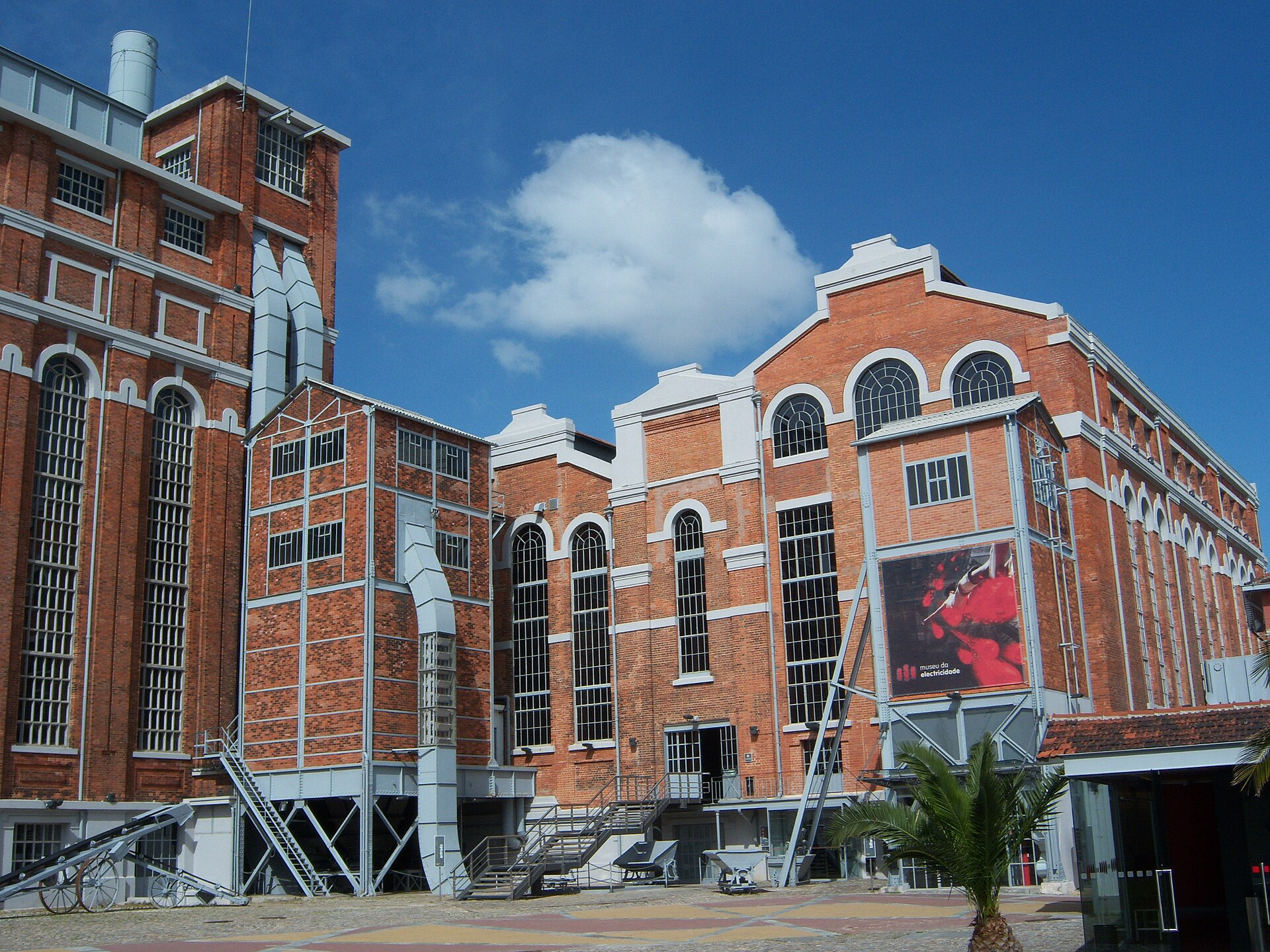
Electricity Museum
Europe,
Portugal,
citta,
Belém
The Museu da Eletricidade in Lisbon, located in the iconic neighborhood of Belém, represents one of the most fascinating testimonies of Portuguese industrial history. Inaugurated in 2006, the museum is housed inside the Central Tejo, a thermoelectric power plant that provided electricity to Lisbon and its region for over four decades. This building is a remarkable example of early 20th-century industrial architecture in Portugal, combining Art Nouveau elements with classic brick facades.
The historical importance of the Central Tejo is linked to its function as the main source of electricity for Lisbon from 1909 until the 1970s. During this period, the power plant represented the beating heart of the city’s urban and industrial development, fueling economic growth and improving the quality of life for its inhabitants.The museum is divided into different sections that offer visitors a detailed overview of the evolution of electrical technologies and working conditions inside the power plant. The visit begins in the “Sala dos Cinzeiros” (Ash Room), where ashes produced by coal combustion were collected. This section highlights the harsh working conditions of the workers, exposed to high temperatures and coal dust.Moving on, visitors enter the “Sala do Experimentar” (Experimentation Room), divided into three thematic areas: one dedicated to energy sources, both renewable and fossil fuels, another paying tribute to scientists who contributed to advances in electricity production, and a third interactive area with educational games and modules. This section is particularly appreciated by younger visitors, who can learn while having fun.The “Sala da Água” (Water Room) illustrates the water treatment process necessary for the operation of the boilers. Here, electro pumps, filters, and distillers from the 1940s are displayed, offering a glimpse into water management technologies of the time. Adjacent to this room, the “Sala dos Condensadores” (Condenser Room) showcases the condensers used for steam cooling and the pumps that extracted water from the Tagus River, essential for the power plant’s operation.The “Sala dos Geradores” (Generator Room) houses two of the five turbo-alternators of the Central Tejo, one of which has been opened to reveal its internal components, allowing visitors to better understand the electricity generation process. This educational approach is further developed in the “Sala de Comando” (Control Room), where visitors can explore practical and everyday examples of energy production, such as lemon batteries and simplified models of power plants.In addition to being a museum, the Central Tejo is part of the MAAT (Museum of Art, Architecture, and Technology), a cultural institution that combines contemporary art, architecture, and technology. This integration offers a multidisciplinary view of industrial and technological evolution, emphasizing the importance of energy in modern society.The architectural and historical context of the Central Tejo makes the Museu da Eletricidade a must-visit destination for anyone interested in the history of industry and technology. Detailed exhibitions, interactive displays, and cultural events create an educational and engaging experience that allows visitors to understand the importance of electricity in daily life and its crucial role in the development of Lisbon.
Read More