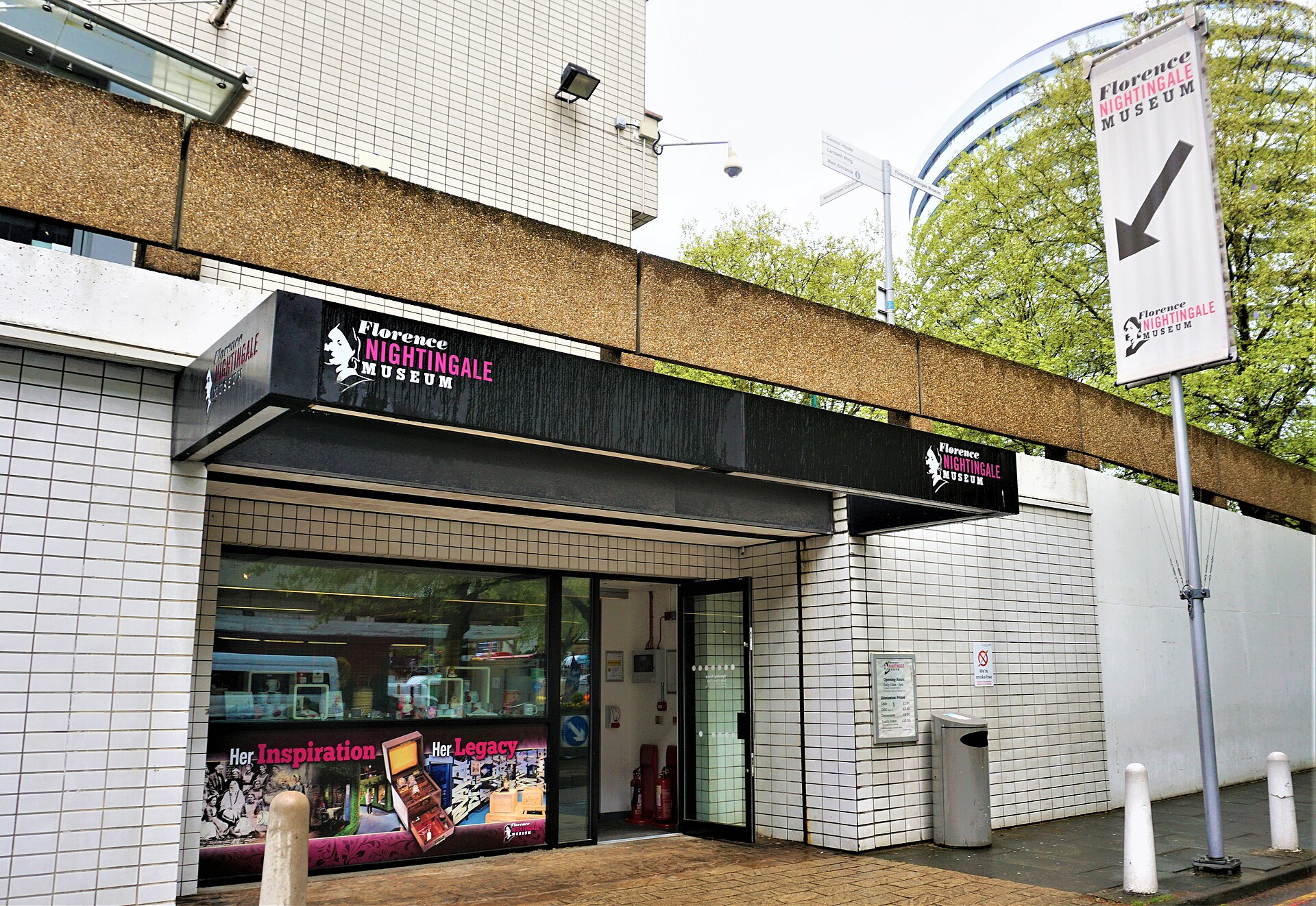
Florence Nightingale Museum
Europe,
United Kingdom,
citta,
Lambeth
The Florence Nightingale Museum, located in the heart of London within St Thomas’ Hospital, is a moving and detailed tribute to the life and work of Florence Nightingale, the founder of modern nursing. This museum, opened in 1989, offers visitors a comprehensive overview of Nightingale’s extraordinary career, as well as the historical and social context in which she operated.
Florence Nightingale, born on May 12, 1820 into a wealthy family, defied the social conventions of her time by choosing a career in healthcare. Her determination and commitment led her to revolutionize nursing practices and drastically improve hospital conditions, profoundly influencing public health.One of the most significant sections of the museum is dedicated to the Crimean War, during which Nightingale gained international fame for her tireless work with wounded soldiers. The exhibit includes personal items such as the famous lamp that Florence used during her nightly rounds in the wards of Scutari, which became a symbol of her spirit of sacrifice and dedication. The sanitary conditions in military hospitals were disastrous, and Nightingale worked to improve cleanliness and hygiene, significantly reducing the mortality rate.The museum houses a vast collection of artifacts that illustrate Nightingale’s contributions to medicine and nursing. Among these are medical instruments of the time, uniforms, and letters written by Nightingale herself. Her detailed notes and statistical reports demonstrate the importance of data collection in healthcare management, a practice she developed and perfected, laying the foundation for modern epidemiology.One of the most fascinating exhibits in the museum is the “Rose Diagram,” one of the earliest graphical representations used to demonstrate how poor hygiene was the main cause of mortality in wounded soldiers. This pioneering graph clearly and comprehensibly showed the results of her research, revolutionizing the way health data was presented and used to improve medical practices. An interesting anecdote related to Florence Nightingale concerns her correspondence with the soldiers she had cared for in Crimea. Many of these men continued to write her letters to thank her and update her on their lives after the war. These letters, some of which are displayed in the museum, offer a touching testimony to the personal impact Nightingale had on those she assisted, and the gratitude and affection she elicited from them.
Read More