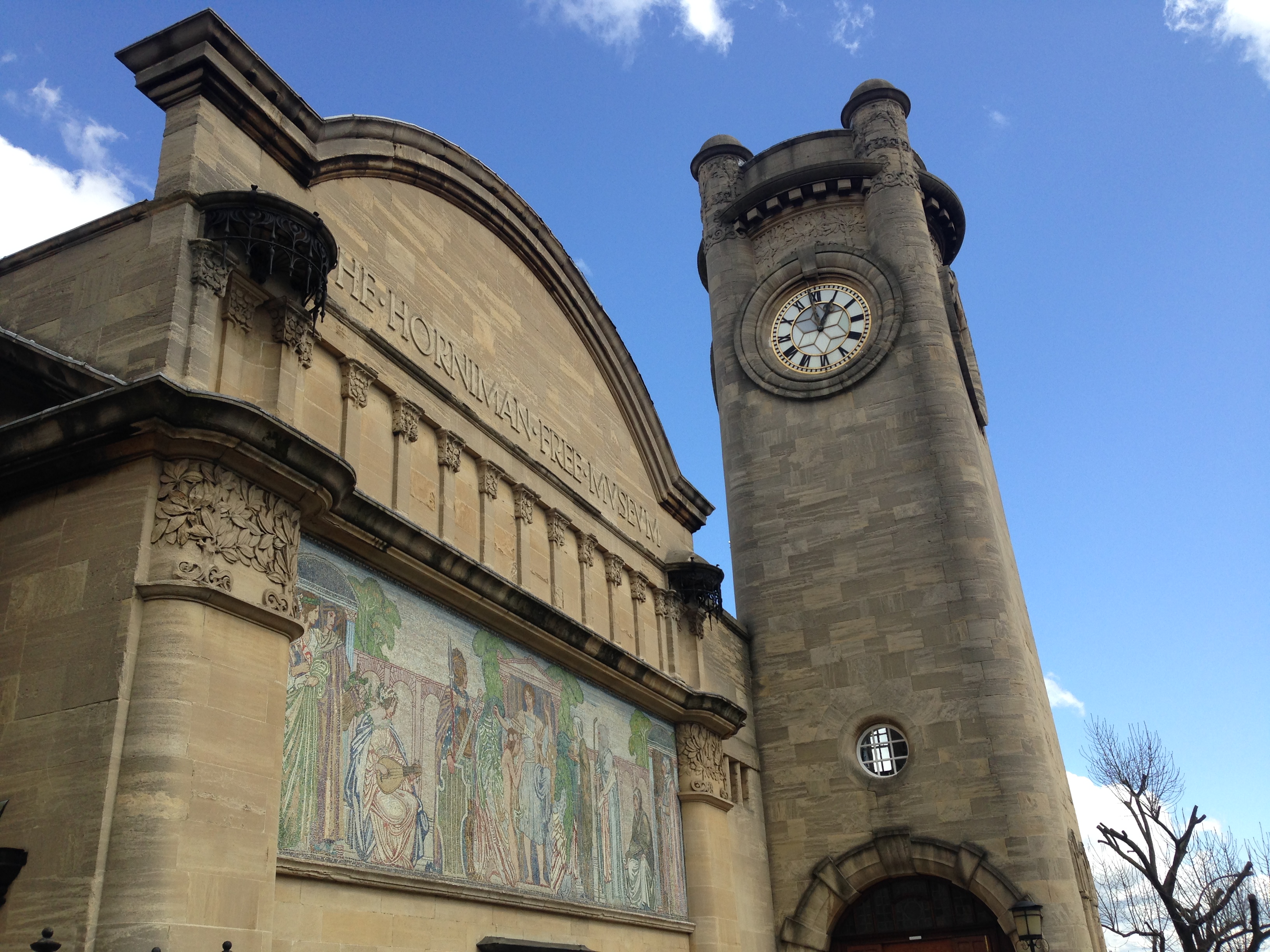
Horniman Museum and Gardens
Europe,
United Kingdom,
citta,
Forest Hill
The Horniman Museum and Gardens, located in Forest Hill, London, is a unique institution that combines anthropology, natural history, music, and landscape beauty. Founded in 1901 by tea trader and philanthropist Frederick John Horniman, the museum was born from his personal collection of objects and artifacts collected during his travels. His goal was to “bring the world to Forest Hill” and educate the local community through cultural and natural diversity.
The museum’s collection is extraordinarily diverse, comprising over 350,000 objects. Among the most famous is the “Horniman Walrus”, a taxidermied walrus specimen that, due to a mistake by Victorian taxidermists who had never seen a walrus before, is overly stuffed, resulting in a hugely inflated figure. This curious artifact has become one of the symbols of the museum and always attracts visitors’ attention.The natural history gallery is a fascinating journey through the animal kingdom, with specimens ranging from the platypus to the Bornean orangutan, to Atlantic birds. However, not all specimens are real: for example, the displayed dodo is a model made with chicken and goose feathers, as the real bird became extinct in the 17th century.The museum is not just a static exhibition, but a dynamic center of learning and discovery. Temporary exhibitions address current and historical themes, such as mental health with the exhibition “Bedlam: the asylum and beyond”, which explores the history of psychiatric treatments through the iconic Bethlem Hospital. Another notable exhibition was “High Society”, which explored the history and use of drugs in society.The Horniman Gardens, spanning 16 acres, are equally remarkable. Opened in 1895, they include a water garden, a kitchen garden, a dye garden, a materials garden, and a medicinal garden, connecting the displayed plants with the museum’s objects. These green spaces not only offer a peaceful retreat from urban frenzy but also integrate the museum experience, creating a dialogue between the natural and cultural worlds.A distinctive feature of the museum is its focus on interaction between visitors and displayed objects. In the Music Gallery, for example, many instruments are displayed in a way that they can be touched and played, offering a tactile and auditory experience that enriches understanding of the world’s diverse musical cultures.The Wellcome Collection is also known for its temporary exhibitions, which address current and historical themes through a multidisciplinary lens. One of these was “High Society”, an exhibition that explored the history of drug use in society. Through a wide range of artifacts, from ancient opium pipes to modern art installations, the exhibition raised issues about cultural perceptions of drugs and policies related to their regulation. “High Society” attracted great attention for its ability to provoke deep and sometimes controversial reflections on addiction and substance use.The museum also houses an aquarium with fifteen different displays showcasing aquatic environments from around the world, from the British coast to the coral reefs of Fiji. This section of the museum is highly appreciated by visitors of all ages for its ability to educate and fascinate through the beauty of marine life.The museum is also an active research center. In addition to its rich library of historical and contemporary resources on medicine and health, the Horniman runs the “Centre for Understanding the Environment” (CUE), which promotes sustainability and conservation through educational and research projects. This commitment to environmental education and awareness is also evident in the museum’s nature trail, a path that invites visitors to explore local flora and fauna in an urban setting.The mission of the Horniman Museum and Gardens is to connect people with global cultures and the natural environment, encouraging a greater appreciation of the world and its diverse expressions. This inclusive and multidisciplinary approach makes the museum a place of discovery and reflection, where history, science, and art come together to offer new perspectives on the human condition.
Read More