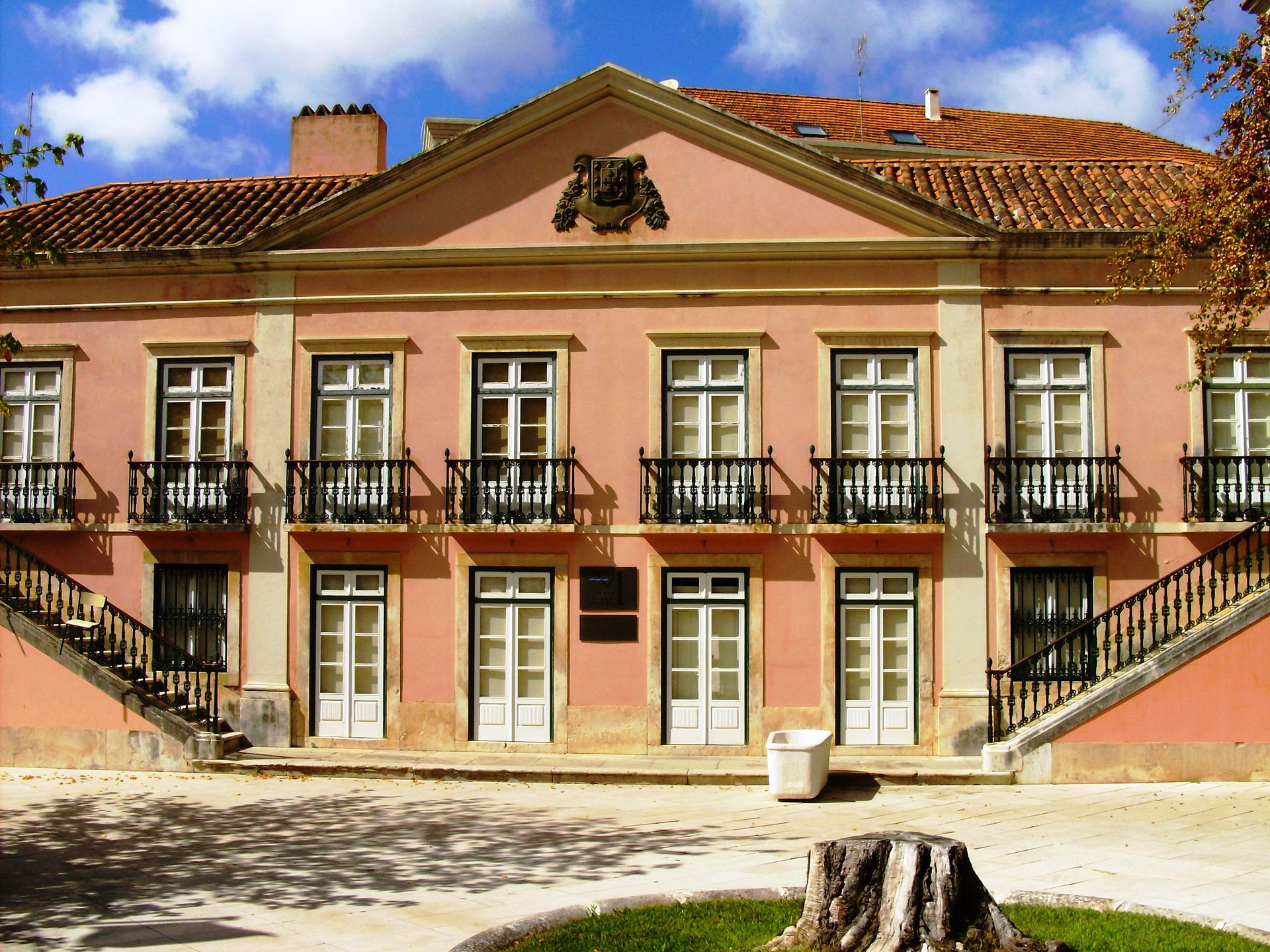
Hospital and Thermal Baths Museum
Europe,
Portugal,
citta,
Caldas da Rainha
The Museum of the Hospital and the Baths, located in Caldas da Rainha, is a historical and cultural gem of Portugal, offering a fascinating overview of the thermal and health history of the country. This museum is located in the complex of the Royal Palace, part of the Rainha D. Leonor Thermal Hospital, the oldest active thermal hospital in the world, founded in 1485 by Queen Leonor of Viseu. The Queen founded the hospital after discovering the healing properties of the thermal springs in the area, an act of charity aimed at treating the poor and pilgrims.
The museum houses a permanent collection that illustrates the history of the thermal complex and its treatment techniques over the centuries. Among the objects on display are ancient medical instruments, historical photographs of hospital wards, and documents that testify to the evolution of thermal treatments. The exhibition path is divided into different thematic sections covering the history before the foundation, the role of Queen Leonor, the development of the hospital over time, and the art in the reign of King John V, who promoted important reforms and expansions in the 18th century.One of the most fascinating architectural elements of the museum is the Queen’s pool, an area that has retained many of the original features from the 15th century. This pool is a symbolic place where the thermal springs continue to flow, evoking the atmosphere of the hospital’s foundation period. The fountain, also built on the orders of John V, is an example of how thermal water was used for various types of treatments.The building housing the museum has an equally interesting history. Originally known as “Caza Real,” it was used as a residence by Queen Leonor during her visits. In the 18th century, the palace was renovated and expanded to accommodate the hospital’s procurators and treasurers. The 1861 renovation, carried out by the engineer Pedro José Pézerat, gave the building its current neoclassical appearance, with a majestic facade and classicist lines.The history of the thermal complex and the museum is closely linked to the political events of Portugal. After the proclamation of the Republic in 1910, the building underwent various transformations and changes in use, until, at the end of the 20th century, it was returned to the thermal hospital. A restoration campaign started in 1992, with the support of institutions such as IPPAR, the Portuguese Institute of Museums, and the Calouste Gulbenkian Foundation, allowed the spaces to be requalified to house the museum. The restoration project maintained the original layout of the main facade and recreated a noble residence with coffered ceilings and wooden floors.
Read More