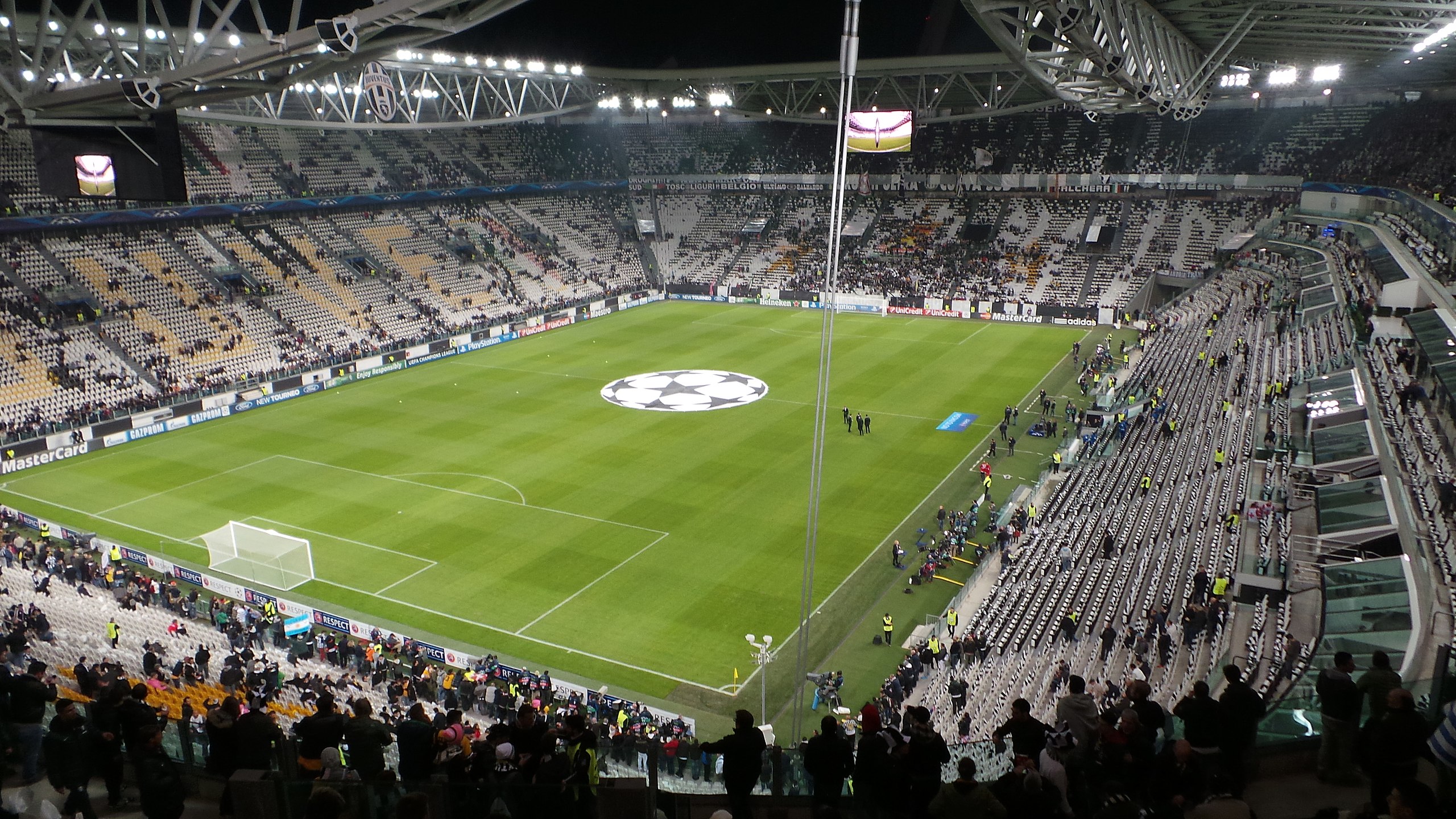
Juventus Stadium
Europe,
Italy,
citta,
Vallette
The Juventus Stadium, also known as the Allianz Stadium, is one of the most modern and cutting-edge sports facilities in Europe. Inaugurated on September 8, 2011, the stadium stands on the ashes of the old Stadio delle Alpi, completely redesigning its spaces and function. With a seating capacity of 41,507, the Allianz Stadium is designed to offer an optimal viewing experience, ensuring that every spectator can enjoy a perfect visibility of the playing field, thanks to its cup-shaped configuration.
The construction of the new stadium represents a historic turning point for Juventus and Italian football. The project, entrusted to the architectural studios GAU and Shesa, focused on sustainability, technology, and comfort. The facility is in fact the first eco-friendly stadium in Italy, equipped with solar panels, rainwater recovery systems, and eco-sustainable materials. Furthermore, the Allianz Stadium was conceived to be much more than just a sports venue: it is a true multifunctional center, with commercial spaces, restaurants, museums, and recreational areas.
The Juventus Museum, located inside the stadium, is a major attraction for fans and football enthusiasts. Inaugurated in 2012, the museum offers an interactive journey through the club’s history, displaying trophies, historic jerseys, documents, and testimonies that trace the victories and challenges of Juventus. Multimedia installations and temporary exhibitions enrich the experience, making it educational and engaging.
One of the most innovative aspects of the Allianz Stadium is the proximity between the field and the stands, with the closest seats only 7.5 meters away from the sideline. This design creates a unique and immersive atmosphere, where the audience can experience every moment of the game as protagonists. The structure is covered by a roof that protects all seats, further enhancing the comfort of the spectators.
From a political and social perspective, the construction of the Allianz Stadium represented a significant investment for the city of Turin and for Juventus. The initiative created jobs and stimulated the local economy, making the surrounding area a hub of attraction for tourists and citizens. The project also included the redevelopment of the outdoor area, with the creation of parks, green spaces, and leisure facilities.
The Allianz Stadium was the first facility in Italy to be owned by a club, breaking with the tradition of municipal stadiums. This allowed Juventus to have greater control over the revenue generated from matches and events, contributing to making the club more competitive internationally. The management of the stadium also includes the sale of naming rights, which have been acquired by the insurance company Allianz since 2017.
Over the years, the stadium has hosted not only football matches, but also concerts, corporate events, and cultural events. This versatility is another sign of the modernity of the facility, which aims to be an open and multifunctional space for the community. The events organized at the Allianz Stadium attract a diverse audience, helping to promote the image of Turin as a dynamic and innovative city.
An interesting anecdote concerns the choice of seating. The stadium seats are arranged to create a mosaic effect, with the words “Juventus” and “1897”, the year of the club’s foundation, visible on the stands. This detail emphasizes the attention to design and the enhancement of the club’s identity, making the Allianz Stadium not only a sports venue, but also a symbol of belonging and pride for the Bianconeri fans.
The construction of the Allianz Stadium has also had a significant impact on Italian football culture. It has set new standards for stadium design, influencing other clubs and cities in the creation of modern and functional facilities. The success of the project has demonstrated the importance of investing in quality infrastructure, capable of offering unique experiences to fans and generating lasting economic benefits.
Read More