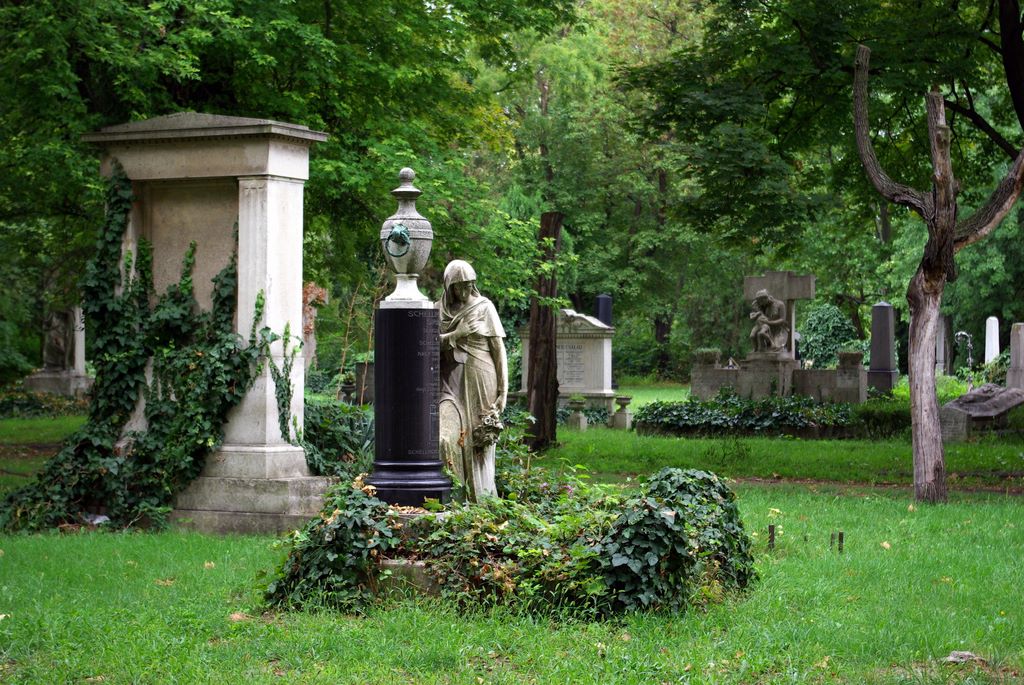
Kerepesi Cemetery
Europe,
Hungary,
Budapest, citta,
Józsefváros
Kerepesi Cemetery, founded in 1847, is not simply a burial place, but a vast open-air museum in the heart of Budapest. With its 56 hectares, it is one of Hungary’s oldest and most significant cemeteries, reflecting the nation’s historical, artistic, and cultural evolution. Initially intended for the general public, after the Compromise of 1867, which partially recognized Hungarian sovereignty, it was transformed into a national pantheon, inspired by the famous Père-Lachaise in Paris.
Among the most important figures buried at Kerepesi is Lajos Kossuth, a key leader in Hungary’s struggle for independence from the Habsburgs. His imposing mausoleum, crowned by a bronze statue of the Genius holding a chained lion, remains one of the most impressive landmarks in the cemetery. Similarly, Ferenc Deák, known as “The Wise Man of the Nation,” is honored with a mausoleum decorated with allegorical frescoes and personal quotes, reflecting his significant contribution to Hungarian political thought and the Austro-Hungarian Compromise of 1867.The cemetery also houses the mausoleum of Count Lajos Batthyány, the first Hungarian prime minister, executed in 1849 for his role in the Hungarian Revolution. His initial burial involved a ruse to elude Austrian authorities, only to be exhumed and reburied in a magnificent mausoleum designed by Albert Schickedanz after the Compromise. This story adds a level of historical intrigue to the site, showcasing the Hungarians’ efforts to honor their national heroes.In addition to political figures, Kerepesi Cemetery is the final resting place of numerous artists, writers, and scientists. The tomb of actress Lujza Blaha is surrounded by mourning statues, reflecting her status as a beloved cultural icon. Miklós Ybl, the architect behind the iconic Budapest Opera House, is buried here, along with other prominent figures like Nobel Prize-winning chemist George de Hevesy and writer Mór Jókai.The landscaped architecture of the cemetery, designed by French and Belgian architects, features wide tree-lined avenues and ornate mausoleums blending various architectural styles, from classical to Art Nouveau. This design not only honors the deceased but also provides a peaceful, park-like environment for visitors. The arches built in the early 1900s for Budapest’s wealthiest families exemplify the opulence and artistic sophistication of the era, recently restored to preserve their historical and aesthetic value.The significance of Kerepesi Cemetery goes beyond its artistic and architectural merits. It serves as a repository of Hungary’s turbulent history. During World War II, the cemetery suffered significant damage at the hands of the Soviet army, which used tombstones as targets, leaving many monuments marked by bullet holes. In the post-war period, the cemetery became the burial place for Soviet soldiers and key figures of the socialist regime, a tangible reminder of Hungary’s 20th-century political landscape.In the years following the fall of communism, efforts have been made to restore and preserve the historical integrity of Kerepesi Cemetery. The controversial Pantheon of the Workers’ Movement, intended to house the urns of socialist figures, remains a contentious but integral part of the cemetery’s narrative. Despite plans to demolish it, the monument still stands, symbolizing a complex period in Hungary’s past.Visiting Kerepesi Cemetery today offers a profound journey through Hungarian history. From the graves of 19th-century revolutionaries to the monuments of 20th-century political leaders and cultural icons, each tomb tells a story of national identity, struggle, and resilience. The cemetery remains a place of reflection, where echoes of the past resonate among the serene green spaces that offer a peaceful respite from the bustling city life.
Read More