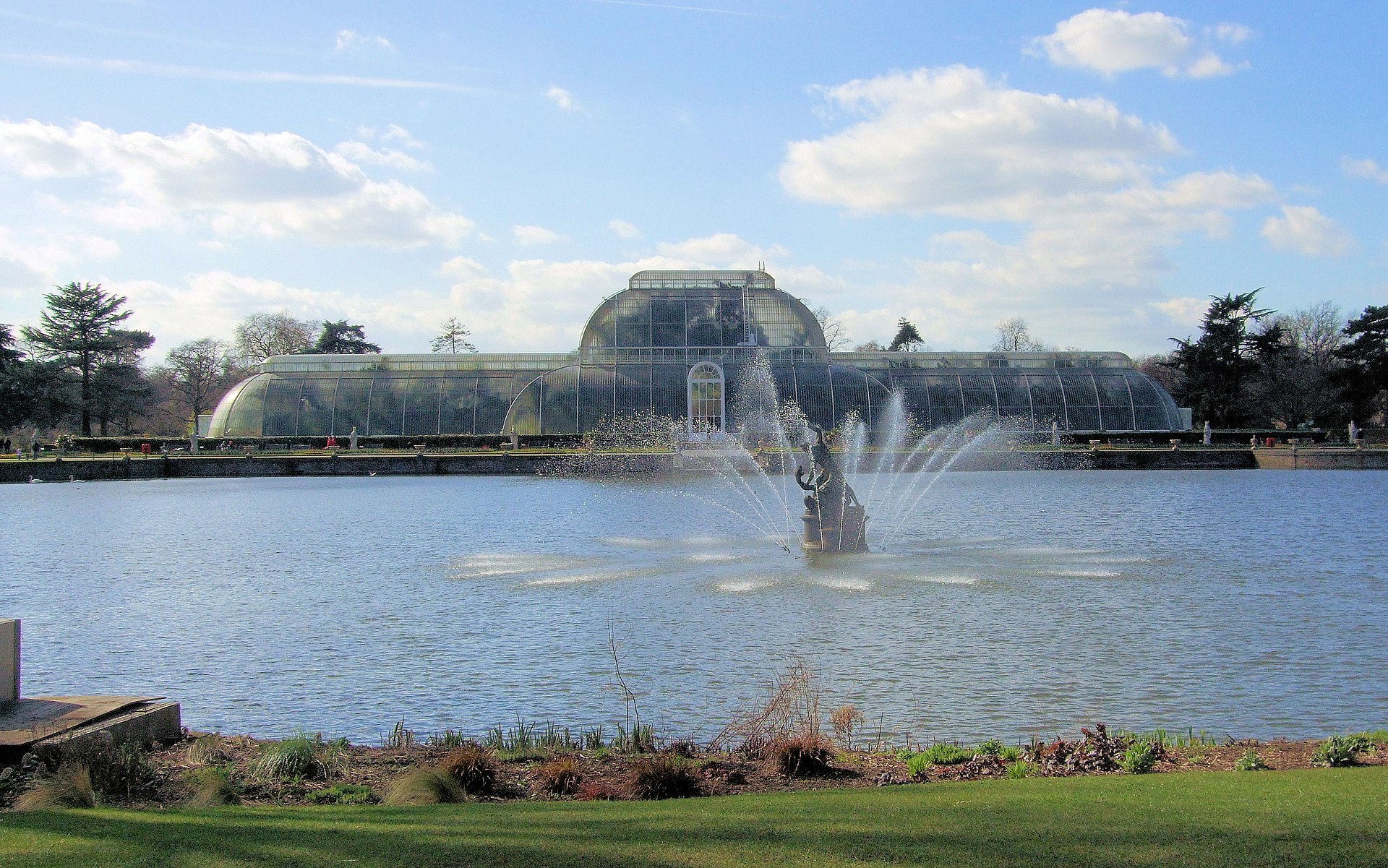
Kew Gardens
Europe,
United Kingdom,
citta,
Kew
The Royal Botanic Gardens at Kew, commonly known as Kew Gardens, are located in the Richmond upon Thames district in London and represent one of the most important and extensive botanical gardens in the world. Founded in 1759 by Augusta, Princess of Wales, these gardens have evolved from a simple royal park to a center of botanical research and conservation of international relevance.
The history of Kew Gardens is closely linked to the British royal family. The site was initially acquired in 1731 by Frederick Louis, Prince of Wales, who began developing the gardens as a place of leisure. His wife, Augusta, continued the work by founding the actual botanical garden in 1759. This initial garden was dedicated to the cultivation of exotic plants collected by explorers and botanists traveling around the world.During the reign of George III, the gardens were expanded and enriched, mainly thanks to the influence of Sir Joseph Banks, a famous botanist who became the director of Kew Gardens. Banks had traveled with James Cook and brought numerous exotic plants to Kew, helping to transform the gardens into a world-class botanical research center.One of the most iconic symbols of Kew Gardens is the Palm House, designed by Decimus Burton and built by Richard Turner between 1844 and 1848. This extraordinary example of Victorian glass and iron architecture was inspired by shipbuilding techniques of the time and was one of the first large iron and glass buildings ever constructed. The Palm House houses a vast collection of tropical and subtropical plants, offering visitors a unique and immersive experience.Next to the Palm House, the Temperate House, completed in 1863 and recently restored, is the largest Victorian greenhouse in the world. Here, temperate plants from every corner of the globe can be found, many of which are rare or endangered. The structure, with its high ceilings and spacious areas, represents a masterpiece of engineering and design.Kew Gardens is also famous for its Chinese Pagoda, built in 1762 by Sir William Chambers. Standing almost 50 meters tall, the Pagoda offers a panoramic view of the gardens and represents a significant example of the influence of Asian art and architecture in European gardens of the 18th century.The gardens host one of the richest collections of living plants in the world, with over 30,000 different species. Among these, the Bamboo Garden and the Japanese Minka House offer an oasis of tranquility and a demonstration of botanical and cultural diversity. The meadow garden, on the other hand, showcases a variety of herb species, crucial for both the ecosystem and human agriculture.One of the most innovative and important aspects of Kew Gardens is the Millennium Seed Bank, which preserves plant seeds from around the world to prevent their extinction. This ambitious project aims to conserve 25% of the world’s plant species by 2025, serving as an insurance policy against the loss of global biodiversity. In 2003, Kew Gardens was declared a UNESCO World Heritage Site, recognizing its historical, scientific, and cultural importance. This title honors not only the scenic and architectural beauty of the gardens, but also their crucial role in biodiversity conservation and botanical research.
Read More