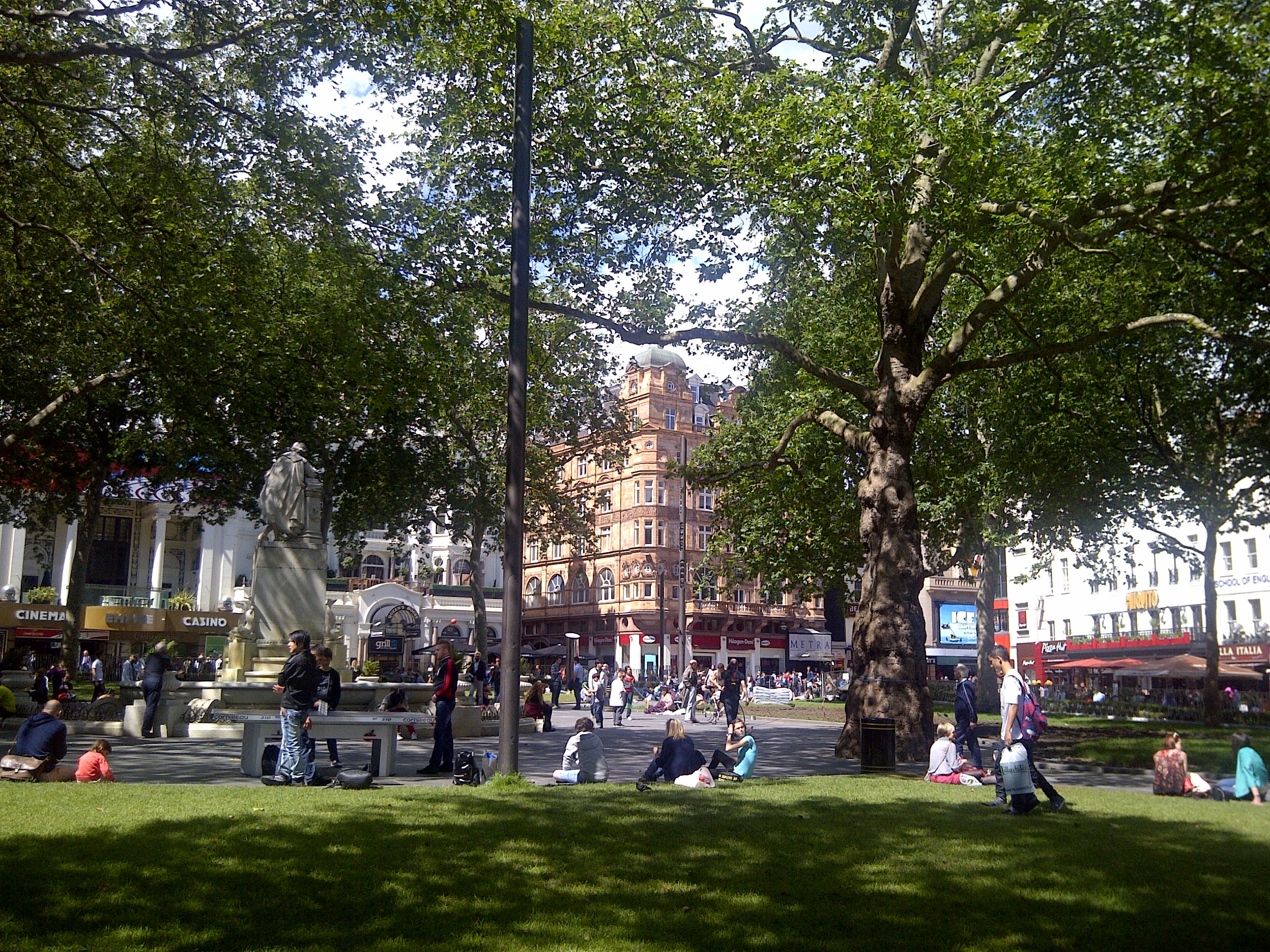
Leicester Square
Europe,
United Kingdom,
citta,
Leicester Square
Leicester Square, the pulsating heart of London, is a crossroads of history, culture, and entertainment that has fascinated generations of visitors. Located in the West End, this square is known for being the hub of London’s theater and film scene, attracting millions of people every year. Its evolution from a quiet residential space to a vibrant cultural hub reflects the social and urban changes of London over the centuries.
The history of Leicester Square dates back to the 17th century, when Robert Sidney, 2nd Earl of Leicester, purchased land north of Charing Cross. Originally conceived as a private garden for Sidney’s residence, Leicester House, the square gradually began to transform into a public and commercial area. By the 18th century, Leicester Square was surrounded by cafes and meeting places, becoming a meeting point for intellectuals and artists.With the advent of the 19th century, the square became a popular entertainment center. In 1854, the Alhambra Theatre was inaugurated, a sumptuous entertainment palace that hosted opera, ballet, and variety shows. The Alhambra became one of the symbols of London’s lively nightlife, attracting a diverse audience and helping to solidify Leicester Square’s reputation as a cultural destination.However, the real boom of Leicester Square came in the 20th century with the rise of cinema. In 1937, the Odeon Leicester Square was opened, a cinema that quickly became the reference point for world premieres. The Odeon, with its Art Deco architecture and large screen, hosted the British premieres of iconic films such as “Gone with the Wind” and “Star Wars”. This cinema, along with others like the Empire and the Vue, transformed Leicester Square into the heart of British cinema, attracting celebrities and film enthusiasts from around the world.But Leicester Square is not just synonymous with cinema. The square also hosts numerous theaters, including the Prince of Wales Theatre and the Harold Pinter Theatre, which stage some of the best theatrical productions in the West End. This mix of cinema and theater makes Leicester Square a unique place, where the magic of the big screen intertwines with the intensity of the stage.From an artistic point of view, Leicester Square has always had a strong connection to the visual arts. At the center of the square is a statue of William Shakespeare, surrounded by dolphins spraying water, erected in 1874. This monument not only celebrates the greatest English playwright, but also represents the deep bond between the square and the world of literature and theater.In recent decades, Leicester Square has undergone several transformations to adapt to modern needs. In 2012, in preparation for the London Olympics, the square was completely renovated. This restyling included the creation of new green areas, the laying of granite paving, and the installation of modern lighting, making the square even more welcoming and accessible to visitors.Leicester Square is also a gastronomic hub, with a wide range of restaurants, bars, and cafes offering cuisines from around the world. From refined international cuisine restaurants to cozy cafes where you can enjoy a coffee, the square caters to every palate, contributing to its cosmopolitan atmosphere.A curious anecdote related to Leicester Square concerns the famous Swiss Glockenspiel, a Swiss mechanical clock installed in 1985. This clock, with its animated figures dancing every hour, has become one of the most beloved attractions of the square, adding a touch of charm and nostalgia.
Read More