Lokrum Botanical Garden
Europe,
Croatia,
Dubrovnik,
Lokrum
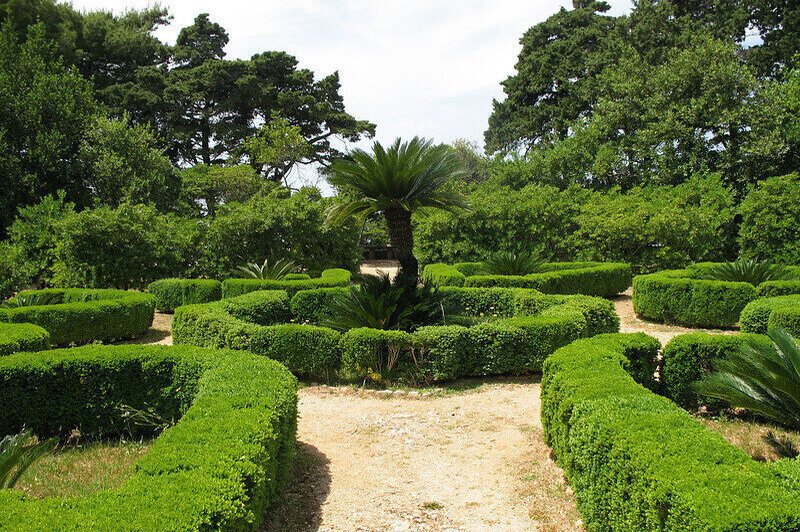
The Botanical Garden of Lokrum, located on the island of the same name just off the coast of Dubrovnik, is one of the most fascinating natural attractions in the region. Officially founded in 1959 by the Academy of Sciences and Arts of Croatia, the garden was conceived as a research center to study the introduction and adaptation of exotic plants from tropical and subtropical regions.
The establishment of the botanical garden dates back to the mid-19th century, when Archduke Maximilian of Habsburg, brother of Emperor Franz Joseph I, purchased the island of Lokrum in 1859. Maximilian transformed the island into a summer residence and began planting a variety of exotic plants. The garden served as an experimental botanical laboratory, testing the ability of exotic plants to acclimatize to the Mediterranean climate of Croatia.Today, the Botanical Garden of Lokrum is home to over 800 species of plants, including a wide collection of eucalyptus, palms, agaves, and aloe vera. These plants mainly come from Australia, South America, and other regions with climates similar to that of Lokrum. The variety of species present offers a spectacle of colors and shapes that fascinates visitors and represents an important resource for biodiversity conservation.The garden covers about two hectares and features a series of paths that allow visitors to explore the exotic and local flora. Among the most impressive trees are the palms, which create a tropical atmosphere in this corner of the Mediterranean. The garden is also a refuge for numerous birds and other wildlife, contributing to the ecological richness of the island.During the Croatian War of Independence in the 1990s, the garden suffered serious damage due to bombings. However, thanks to restoration and conservation efforts, it was possible to recover much of the plant species and structures. Today, the garden is managed by the Institute for Marine and Coastal Research of the University of Dubrovnik, which continues to carry out research and conservation activities.
Read More