Micropia
Europe,
Netherlands,
Amsterdam, citta,
Plantage
Micropia is a unique museum located in the heart of Amsterdam, offering visitors a fascinating exploration of the invisible world of microbes. Inaugurated on September 30, 2014, this innovative museum was developed as an integral part of the ARTIS complex, the city’s famous zoo and botanical garden. The idea of Micropia was conceived by the director of ARTIS, Haig Balian, who wanted to create an educational space to bridge the gap between science and the public, celebrating the importance of microbes in daily life.
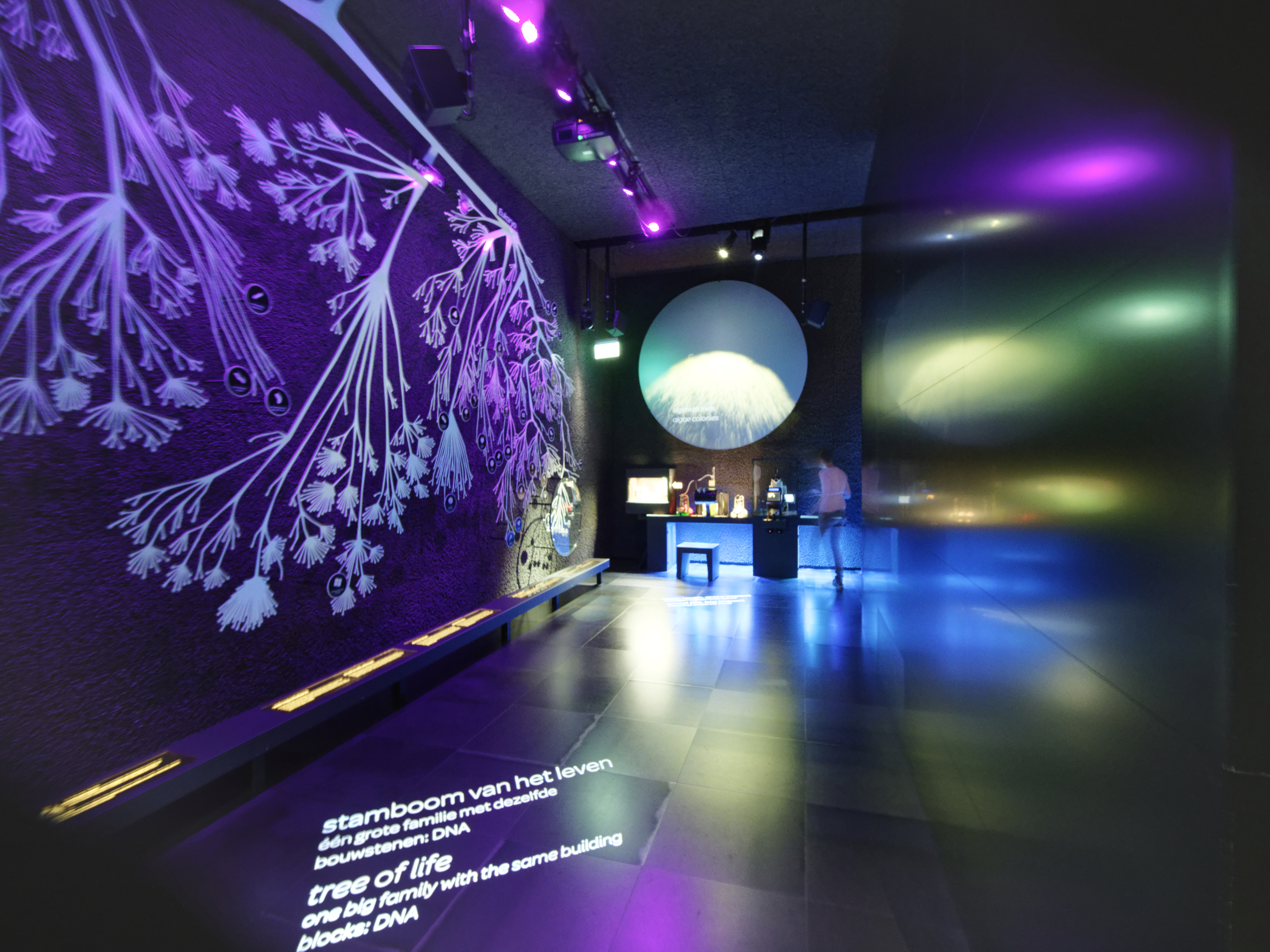
Micropia is housed in the historic “Ledenlokalen” building, dating back to 1870, which has been carefully renovated to accommodate this modern museum. The architecture of the building, with its historic structures integrated with advanced technologies, perfectly represents Micropia’s mission to combine past and present, visible and invisible.The museum offers a variety of interactive exhibits that allow visitors to closely observe microbes through advanced microscopes and digital displays. A notable example is the “Kiss-o-meter,” a device that measures the number of microbes transferred during a kiss, demonstrating in a fun and surprising way how present microbes are in our daily lives. This playful approach to learning is a distinctive feature of Micropia, making science accessible and interesting for people of all ages.Another remarkable attraction is the body scanner, which allows visitors to discover the microbes present on their own skin. This device uses advanced technologies to map the distribution of microbes on the human body, offering a unique educational experience that highlights the complexity and importance of these microorganisms. The museum also hosts a laboratory where scientists study microbes and conduct innovative research. This space allows visitors to closely observe the work of microbiologists and better understand the scientific methodologies used to study these invisible organisms. Additionally, the laboratory serves as a center for the development of new exhibits and educational programs, ensuring that Micropia remains at the forefront of scientific communication.An interesting anecdote concerns the creation of the museum itself. The construction of Micropia required over twelve years of planning and collaboration between scientists, architects, and educators. The process involved numerous tests and prototypes to ensure that the exhibits could function correctly and safely, given that many of the microbes on display could potentially be dangerous. For example, it was necessary to develop innovative methods to showcase the microbes without risking the health of visitors.Micropia’s exhibits are organized to highlight the diversity and importance of microbes in various contexts, from human health to the environment. Visitors can explore the “Microbe Wall,” a huge wall covered with Petri dishes showing different microbial colonies, or use interactive microscopes to observe living microorganisms in real-time. These immersive experiences help demystify microbes and make their crucial role in life on Earth more understandable.
Read More