Montjuïc
Europe,
Spain,
Barcelona,
Sants-Montjuïc
Montjuïc, one of the most emblematic hills of Barcelona, is a place of extraordinary historical, artistic, political, and social importance. Located southwest of the city center, Montjuïc offers a breathtaking panoramic view of Barcelona and the Mediterranean. This promontory is not only a geographical landmark but also a rich mosaic of cultural, sports, and recreational attractions that tell the story and evolution of the city.
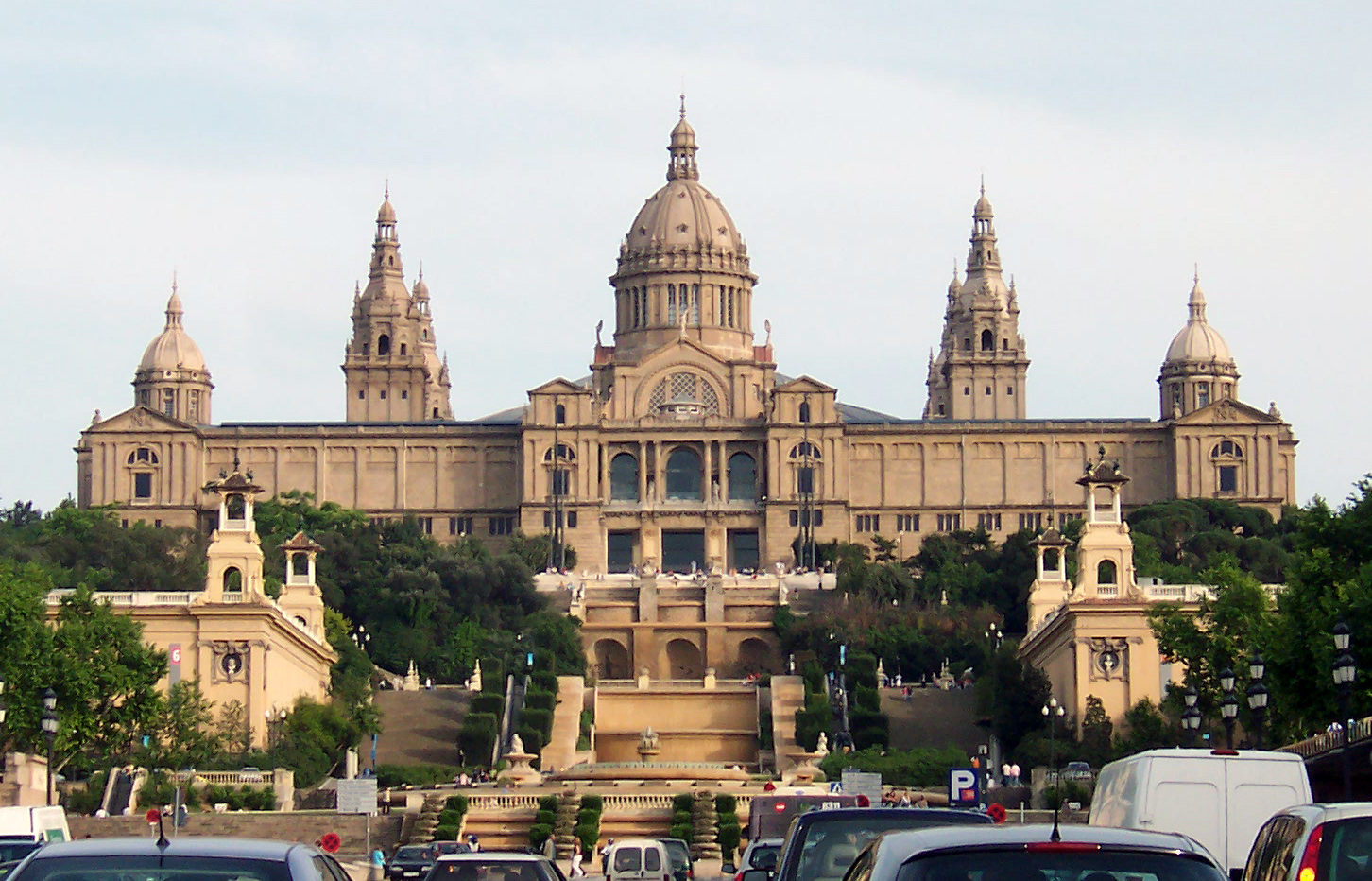
The history of Montjuïc dates back to antiquity. The name itself, which means “Jewish Mountain” in Catalan, suggests that the hill once housed a medieval Jewish cemetery. During the Roman period, the hill was strategically important and used as an observation point. In 1640, during the Reapers’ War, Montjuïc became a military site with the construction of a castle overlooking the port. The Montjuïc Castle, expanded in the 18th century, played a crucial role in numerous conflicts, including the War of the Spanish Succession and the Spanish Civil War. Today, the castle is a military museum and a place of historical memory.The transformation of Montjuïc into a cultural and recreational center received a significant boost in 1929 with the International Exhibition of Barcelona. The event led to the construction of numerous buildings and public spaces that still characterize the hill today. Among these, the National Palace, designed in neobaroque style, is now home to the National Art Museum of Catalonia (MNAC), which houses one of the most important collections of Romanesque art in the world. The German Pavilion, designed by Ludwig Mies van der Rohe, is another example of internationally renowned modernist architecture.One of the most famous attractions of Montjuïc is the Magic Fountain, located in front of the National Palace. Built for the 1929 International Exhibition, the fountain is famous for its light, water, and music shows that attract visitors from around the world. Every evening, the fountain becomes the center of an extraordinary show that combines art and technology.Montjuïc is also an important sports center. The 1992 Olympic Games left an indelible mark on the hill, with the construction of the Olympic Ring, which includes the Lluís Companys Olympic Stadium, the Palau Sant Jordi, and the Santiago Calatrava Communications Tower. These facilities have not only hosted Olympic events but continue to be used for concerts, sports competitions, and other cultural events.From an artistic point of view, Montjuïc is home to numerous museums and galleries. In addition to the MNAC, the Museum of Archaeology of Catalonia and the Joan Miró Foundation are essential stops for art lovers. The Joan Miró Foundation, located in a building designed by Josep Lluís Sert, exhibits a vast collection of works by the famous Catalan artist, offering a deep dive into his creativity and contribution to modern art.Montjuïc is also a green lung for the city, with numerous parks and gardens offering a peaceful refuge from urban chaos. The Barcelona Botanical Garden, located on the northeastern slope of the hill, houses a vast collection of Mediterranean plants from around the world. Montjuïc Park, with its shaded paths and picnic areas, is an ideal place for walks, jogging, and relaxation. An interesting anecdote concerns the Port Cable Car, inaugurated in 1931, which connects Montjuïc to Barceloneta Beach, crossing the port. This panoramic means of transportation offers a spectacular view of the city and the sea, making the journey a unique experience.
Read More