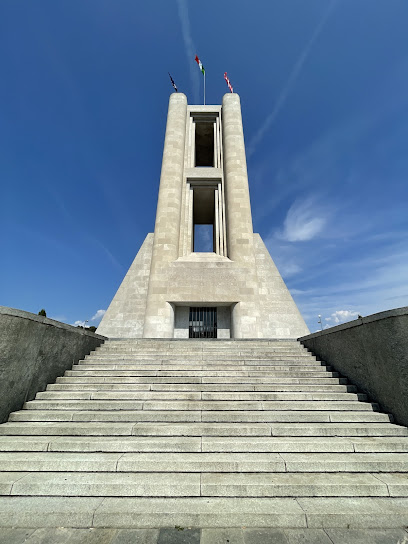
Monument to the Fallen of All Wars, Como
Europe,
Italy,
Como,
Monument to the Fallen of All Wars – Como The Monument to the Fallen of All Wars, located in a central position in Como, represents a place of memory and deep reflection for the local community and beyond. Inaugurated in 1933, this monument has become a symbol of Como’s identity, dedicated to the courageous soldiers who sacrificed their lives for the homeland in various conflicts. Its imposing architecture and evocative sculptures express a strong emotion, paying tribute to the courage and determination of those who fought for freedom. The choice of location, in front of Lake Como, contributes to creating an atmosphere of contemplation and remembrance. The origins of the Monument to the Fallen of All Wars date back to the years immediately following World War I. With the end of the conflict, many Italian cities began to design memorials to honor the fallen soldiers. In 1920, a committee was established in Como to raise funds for the construction of a commemorative monument. The choice of project was entrusted to the local architect Giuseppe Terragni, who was also known for his involvement in the rationalist movement. The monument’s design was presented in 1926, and construction began in 1928. Terragni knew well that a work of this type should inspire great respect and reverence, so he decided to use local materials, combining the elegance of marble with striking architectural details. The chosen site, located in one of the most beautiful areas of the city, was designed to draw the eye toward the lake, creating a symbolic link between the monument and the territory. In 1933, during a solemn ceremony, the monument was officially inaugurated. The presence of civil and military authorities lent the event particular importance, emphasizing the monument’s significance as a symbol of unity and a claim to historical memory. Over the years, the monument has undergone various restorations to preserve its integrity and beauty. Significant maintenance work took place in the 1980s and early 2000s, demonstrating the community’s commitment to keeping the memory of those who sacrificed their lives alive. Upon arriving at the monument, the first thing that strikes is the majestic façade, made of Carrara marble. The structure is imposing, featuring a combination of geometric shapes that symbolize solidity and strength. As you proceed, you can observe the sculptures that adorn the monument. At the top is a large sculptural group representing a soldier standing with his gaze directed toward the horizon. This element is a clear symbol of vigilance and protection, evoking the sacrifice and determination of the fallen. To the left, there is a series of bas-reliefs that narrate the different phases of war and the experiences of soldiers. These bas-reliefs are the result of careful iconographic study and aim to convey the idea of suffering and sacrifice experienced. Every detail, from the expressions on the faces to the poses of the figures, has been designed to evoke strong emotions in visitors. Moving to the interior of the monument, you arrive at an area dedicated to commemorative plaques. Here, you will find inscriptions of the names of the fallen from all wars. This part of the monument serves not only as individual remembrance but also represents the collective memory of an entire community. Every name evokes a memory, a life story, and it is this that makes the monument a place of profound reflection. Another remarkable element is the contrast between the severity of the stone and the delicacy of the floral decorations surrounding the monument. These natural elements symbolize life that continues, contrasting with death but remaining connected to the cycle of memory. Don’t forget to look up at the sky: the monument’s architecture has been designed to integrate perfectly with the surrounding environment, creating a visual dialogue with the mountains that surround Lake Como. This aspect is essential for fully understanding the message of unity with the landscape. Finally, an element not to be overlooked is the illumination of the monument during the evening hours. The light reflecting on the stone creates an almost mystical atmosphere, inviting contemplation. It is at this moment that the monument expresses its strength and emotional appeal, honoring those sacrifices even more powerfully. The Monument to the Fallen of All Wars is located in the heart of Como, surrounded by a number of other cultural attractions worth visiting. For example, just a short walk away is the Volta Temple, dedicated to Alessandro Volta, who was born here, celebrating his scientific discoveries with an exhibition of historical artifacts and memorabilia. This place is a reminder of human progress, often the result of sacrifices similar to those commemorated at the monument. Another point of interest nearby is Piazza Cavour, one of the main squares in the city. Here, the vibrant urban environment, cafés, and shops offer a fascinating contrast to the solemnity of the monument. The square represents contemporary life, uniting the past and present of Como. Lastly, I recommend visiting the Cathedral of Como, the Duomo, an extraordinary example of Gothic architecture. The Cathedral, with its spires and magnificent rose window, tells centuries of history and culture, making the urban context even richer and more interesting. An interesting fact regarding the material used for construction: the Carrara marble, of which many historical Italian monuments are made, is chosen not only for its beauty but also for its durability and resistance over time. This allows the monument to maintain its impressive appearance, reflecting the strength of the message it carries. Moreover, the Monument to the Fallen of All Wars is often at the center of local commemorative ceremonies, making it a gathering place for the community each year during events like Liberation Day or Memorial Day. Finally, over the years, the monument has seen the participation of various groups of artists and local schools in creating cultural events, such as concerts and readings, which contribute to keeping the historical memory alive and making it accessible to new generations. With its history, architecture, and significance, the Monument to the Fallen of All Wars is an unmissable place for anyone visiting Como. We invite you to discover not only this monument but also its fascinating surroundings, such as the Volta Temple, Piazza Cavour, and the Cathedral of Como, for a truly rich and engaging experience.
Read More