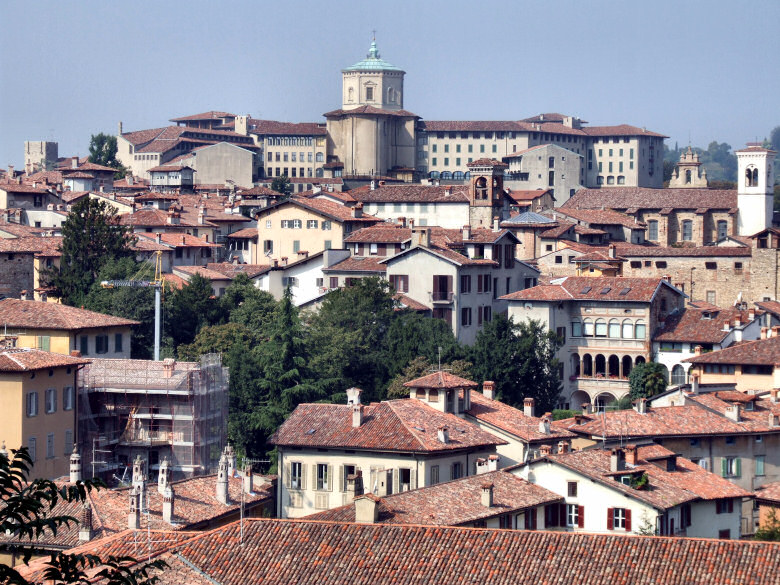
Mulino Farmstead - Bergamo
Europe,
Italy,
Bergamo,
Cascina Mulino is a place that represents an important testimony to the agricultural and cultural history of Bergamo. This farmstead, located in the heart of Lombardy, is known for its rustic charm and its close ties to peasant traditions. Built in the seventeenth century, Cascina Mulino invites visitors to discover a piece of local history, immersed in the beauty of the Bergamasque landscapes, which reflect the past and everyday life of the farming families who lived here. Today, it is not only a place of historical interest but also a reference point for cultural activities and local events.Origins and history To fully understand the significance of Cascina Mulino, we must go back in time, specifically to the 1600s. The architecture of Lombard farmhouses, of which Cascina Mulino is an example, developed during a period when agriculture was becoming one of the main sources of livelihood for the local population. The farmhouse served as a center for agricultural production and livestock breeding, a key element for the economy of Bergamo and its province.Historical documents indicate that the structure has undergone various restoration and modification interventions over the years. In the eighteenth century, with the increase in population and agricultural needs, the farmhouse was expanded and renovated to better accommodate its inhabitants and agricultural equipment. During the twentieth century, especially in the 1950s and 1960s, there was a significant renewal. Many Lombard farmhouses like Mulino were modernized to adapt to new agricultural practices and technological developments.In recent decades, there has been a renewed interest in these historical structures. Today, Cascina Mulino is also a place of cultural gathering, where events, workshops, and activities are organized to rediscover peasant traditions and promote sustainable education. Thanks to these efforts, the farmhouse has maintained its importance in the Bergamasque landscape, serving as a bridge between the past and the present.What to observe Upon arriving at Cascina Mulino, the first thing that strikes you is the rustic brick facade, typical of Lombard farmhouses. Notice the architectural details, such as the rounded window openings and solid wood doors, which tell stories of an era where functionality was married to aesthetics.Inside, you will find a large courtyard, surrounded by various structures that once housed livestock and agricultural equipment. On the right side, observe the portico, a common architectural element in farmhouses, which served as shelter from the sun and rain. This space was essential for the daily activities of peasant families, where moments of socialization and work often took place.Continuing, I invite you to discover the interiors. Here, you will find various spaces that have been preserved in their original form. In particular, the kitchen is a central element of the farmhouse, where the environment has remained true to what once was the heart of domestic life: the fireplace, large wooden tables, and work utensils are perfectly preserved.Outdoors, do not miss the garden, an example of sustainable agriculture. Here, local flora has been reintroduced and nurtured to promote biodiversity, so that the natural life and the resources that the countryside offers can be appreciated. This garden is also a place of learning, where courses and activities are held to better understand cultivation and respect for the environment.Don’t forget to look up at the surrounding countryside. The view from here is breathtaking: the Bergamasque hills stretch as far as the eye can see, creating a panorama that evokes the serenity of rural life. It is in this context that Cascina Mulino gains further significance, being immersed in an environment that invites reflection on the beauty of nature and the importance of sustainability.Context and connections Cascina Mulino is situated in an area rich in history and culture. The view of the surrounding hills and valleys is not only a pleasure for the eyes but also a reminder of the agricultural tradition of the area. Nearby, you can explore other attractions that speak to Bergamo’s cultural heritage. For example, just a few kilometers away is Monte G. Pora, an ideal place for hiking and outdoor activities.Another site of great interest is the Church of San Giovanni Battista, a building dating back to the nineteenth century that testifies to the deep connection between the local community and spirituality. This church is often visited for its fascinating architecture and the artistic heritage it houses.Finally, don’t forget the Museum of the Stories of Bergamo, which offers a fascinating overview of life in the Bergamo province over the centuries. Overlooking the same traditions and stories that make Cascina Mulino so special, the museum is an important resource for better understanding the cultural identity of the area.Curiosities An interesting aspect of Cascina Mulino is its ongoing commitment to promoting local culinary traditions. Gastronomic events are often held that allow visitors to savor typical dishes of Bergamasque cuisine, prepared with fresh, local ingredients.Additionally, the farmhouse is frequently used for events and workshops dedicated to sustainability, where practices of organic and environmentally respectful agriculture are taught. These initiatives are particularly appreciated by schools, which can thus introduce young people to the world of nature and food production.Finally, it is interesting to note that Cascina Mulino has become a symbol of resilience for the community. Over the years, it has faced significant challenges related to urbanization and modernization, but it has managed to preserve its authenticity and continue to play a fundamental role in the life of the community.
Read More