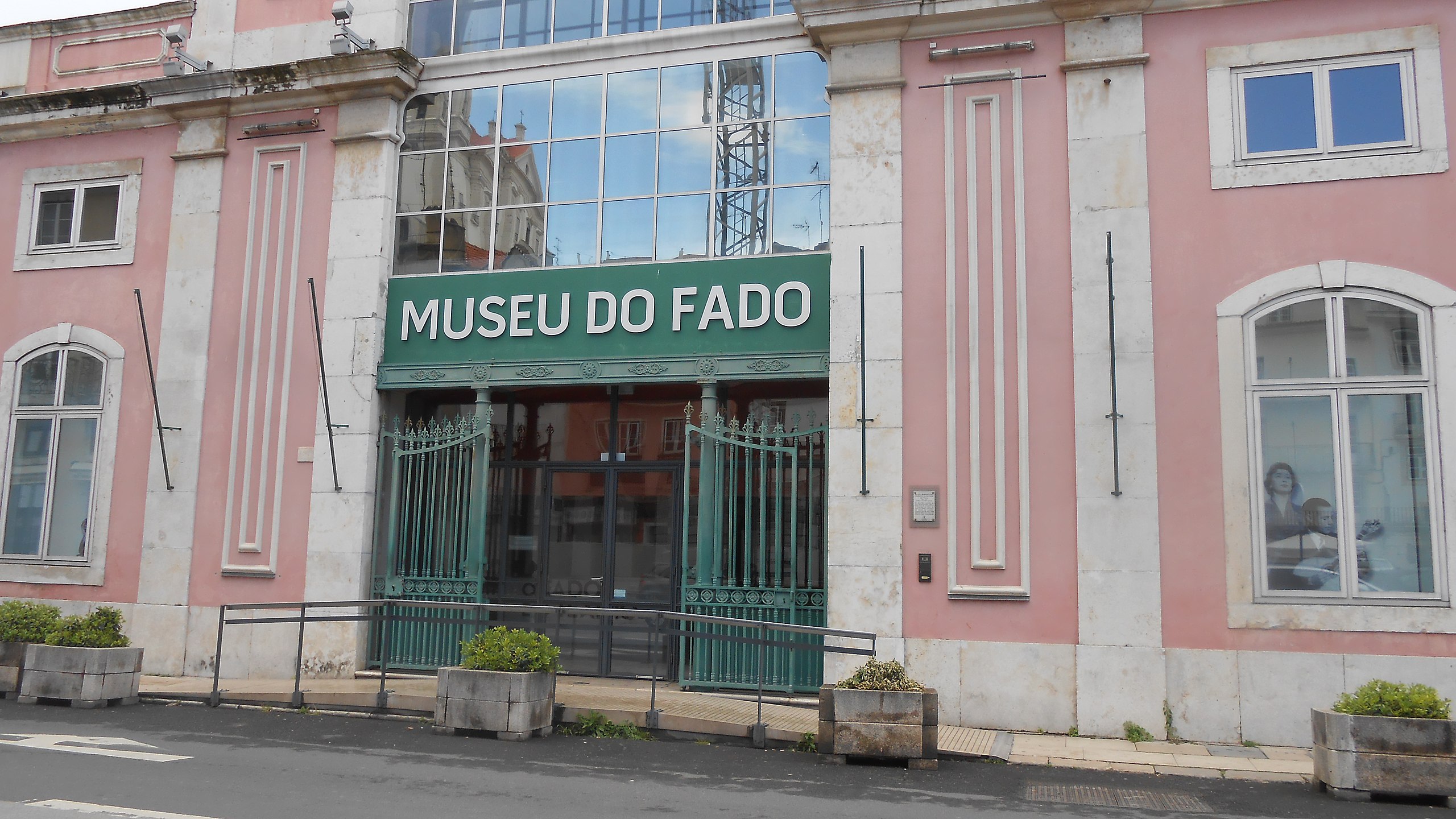
Museum of Fado
Europe,
Portugal,
citta,
Alfama
The Museu do Fado, located in the historic district of Alfama in Lisbon, is a vibrant and detailed tribute to one of Portugal’s most emblematic cultural expressions: fado. Inaugurated in 1998, this museum celebrates fado not only as a musical genre, but as a true manifestation of the Portuguese soul, deeply rooted in the country’s history and society.
Entering the Museu do Fado means immersing oneself in a journey through the history of this musical genre, which has its roots in the popular neighborhoods of 19th century Lisbon. Fado, which in Portuguese means “destiny,” is characterized by melancholic melodies and lyrics that speak of love, loss, and saudade, an untranslatable term that evokes a deep sense of nostalgia and longing. This music found its place among fishing communities, sailors, and working classes, becoming a means to express their joys and sorrows.The museum is housed in a carefully restored historic building to preserve the authentic atmosphere of fado. The exhibition rooms are filled with photographs, documents, musical instruments, and personal belongings of the greatest fado singers in history. Among these, legendary names stand out like Amália Rodrigues, often considered the “queen of fado,” whose voice and interpretation brought this musical genre to the highest levels of international recognition.A particularly fascinating area of the museum is dedicated to the traditional instruments of fado, especially the guitarra portuguesa and the viola. The guitarra portuguesa, with its crystalline sound and steel strings, is essential for fado and accompanies the voices of the fadistas with intricate and deep melodies. Through interactive displays and live demonstrations, visitors can learn more about these instruments and understand their crucial role in creating the unique atmosphere of fado.The Museu do Fado also offers a section dedicated to fado houses, the nightclubs where this music is traditionally performed. These places, often small and intimate, are an integral part of fado culture and keep the tradition alive through live performances that attract both residents and tourists. The museum recreates the atmosphere of a typical fado house, with set tables, dim lights, and the inevitable stage for musicians. The museum’s location, in the heart of Alfama, adds an additional level of authenticity to the experience. Alfama is one of the oldest neighborhoods in Lisbon, with its narrow and winding streets, colorful houses, and panoramic viewpoints that offer breathtaking views of the Tagus River. It is a neighborhood steeped in history and culture, and visiting the Museu do Fado allows for a better understanding of the connection between this music and its urban context.An interesting anecdote concerns the figure of Amália Rodrigues, the most famous fado performer. Amália not only defined the genre with her voice and unmistakable style, but also innovated fado by introducing new musical and poetic elements. Her influence is evident throughout the museum, where numerous personal items, stage costumes, and recordings testify to her extraordinary career.
Read More