Museum of Freemasonry
Europe,
United Kingdom,
citta,
Covent Garden
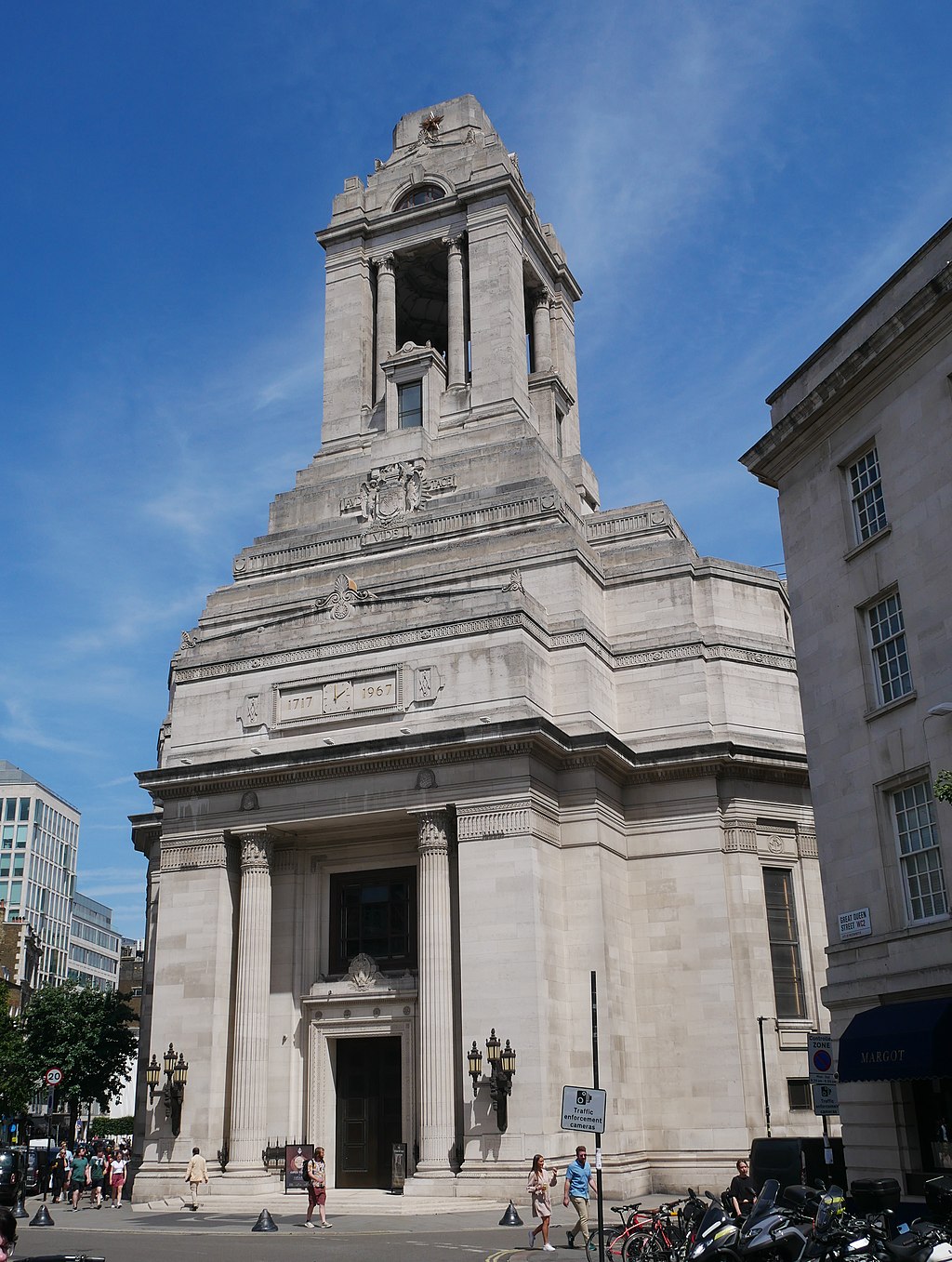
The Museum of Freemasonry, located in the heart of London at the Freemasons’ Hall on Great Queen Street, is a must-visit destination for anyone interested in the history, culture, and mysteries of Freemasonry. Founded in 1838, the museum is located in the headquarters dedicated to the United Grand Lodge of England, built between 1927 and 1933 in a magnificent Art Deco style.
The Freemasons’ Hall, a monumental building serving as the headquarters for English Freemasonry, is not only a meeting place for Freemasons, but also a museum open to the public that tells over three centuries of history. Inside the museum, visitors can explore an extraordinary collection that includes artifacts, historical documents, Masonic jewels, and regalia. Among the most fascinating pieces are items belonging to famous Freemasons such as Winston Churchill, Oscar Wilde, Rudyard Kipling, and Prince Edward VII, which show the influence of Freemasonry on key figures in British and world history.One of the main attractions of the museum is the extensive collection of ceramic, glass, and silver vessels decorated with Masonic symbols. These objects offer a unique insight into Masonic practices and traditions through the centuries. Additionally, the museum houses a rich archive of prints, photographs, and ephemera documenting the history and evolution of Freemasonry.The exhibition is organized into thematic sections that explore the different degrees, offices, and Masonic rituals, as well as the impact of Freemasonry on society and culture. An interesting example is the section dedicated to Freemasonry during the world wars, which illustrates the role of Freemason prisoners of war in internment camps and their contribution to resistance and moral resilience. Accredited since 2009 and recognized for its nationally significant collection since 2007, the museum continues to play an important role in the preservation and promotion of Masonic history. Thanks to its central location and free admission, it attracts a diverse audience of scholars, history enthusiasts, and curious visitors.In addition to the richness of its collections, the Museum of Freemasonry also offers resources for research, with a well-stocked library of rare and valuable texts on the history of Freemasonry. Scholars can access these materials to deepen their understanding of Masonic traditions and practices, contributing to a better public knowledge of Freemasonry.
Read More