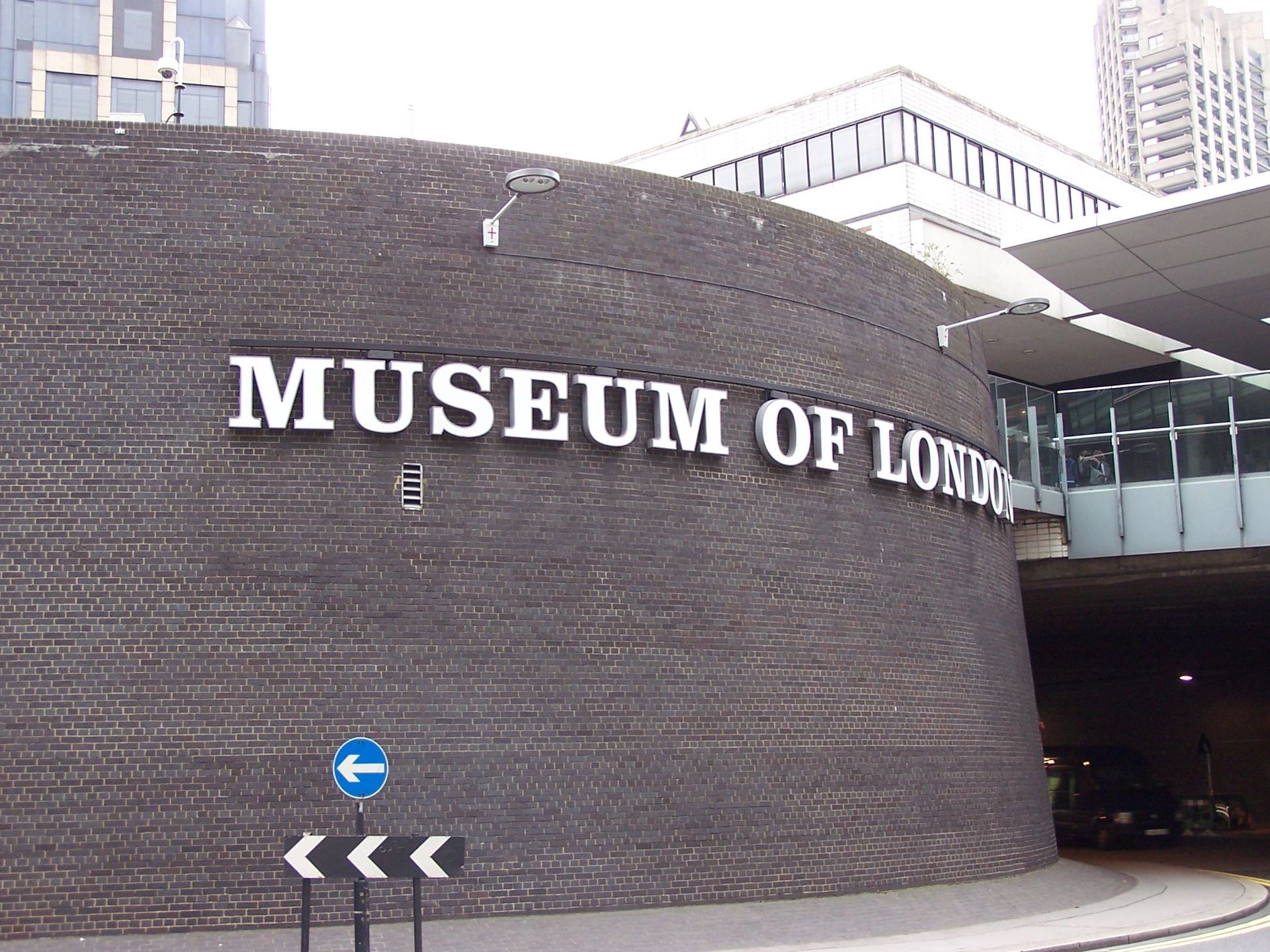
Museum of London Docklands
Europe,
United Kingdom,
citta,
Canary Wharf
The Museum of London Docklands, located at West India Quay, is one of the most fascinating cultural venues in London. Opened in 2003 inside a converted Georgian warehouse, the museum explores the history of the Port of London, the River Thames, and maritime trade, focusing on themes of great historical, social, and economic significance such as trade, migration, and slavery.
The museum’s location is significant in itself, being situated in an area that was once the bustling heart of global trade. Visitors are welcomed into a historic building that has retained its industrial charm, with wooden floors and exposed beams, offering an authentic 19th-century atmosphere.One of the highlights of the museum is the “London, Sugar & Slavery” gallery, one of only three permanent exhibitions in the UK dedicated to the history of transatlantic slave trade. This gallery offers a deep and moving exploration of London’s role in the slave trade, showing how the city and its development were intimately linked to this tragic history. Through objects, documents, and personal testimonies, the exhibition addresses complex themes such as the brutality of slavery and the struggles for abolition, highlighting the legacy of these events in contemporary society. Another distinctive feature of the museum is the “Sailortown” gallery, an atmospheric reconstruction of a 19th-century street that immerses visitors in the lively and often dangerous environment of London’s port at the time. This section allows visitors to walk among recreated buildings, listen to the sounds of daily life, and imagine the harsh reality of sailors and Sailortown residents.The museum also offers a wide range of interactive activities and educational programs, making it an ideal destination for families and students. The “Mudlarks Gallery” is an interactive play area dedicated to children, where they can explore and learn through play. Activities include digging for hidden treasures, exploring model ships, and learning about maritime and river transport in a fun and engaging way.Equally important is how the museum addresses contemporary issues through exhibitions and events. For example, the removal of the statue of Robert Milligan, a prominent slave owner, in 2020, was a significant decision that reflects the growing awareness and sensitivity towards the legacies of colonialism and slavery. This gesture was well received and demonstrated the museum’s commitment to responding to the needs and sentiments of the local community.The museum’s temporary exhibitions cover a wide range of themes, from “Fashion City: How Jewish Londoners Shaped Global Style” celebrating the contribution of London’s Jewish community to international fashion, to exhibitions exploring immigration stories and urban change. These temporary events enrich the museum’s cultural offering, providing new insights and reflections on the social and cultural dynamics of London.
Read More