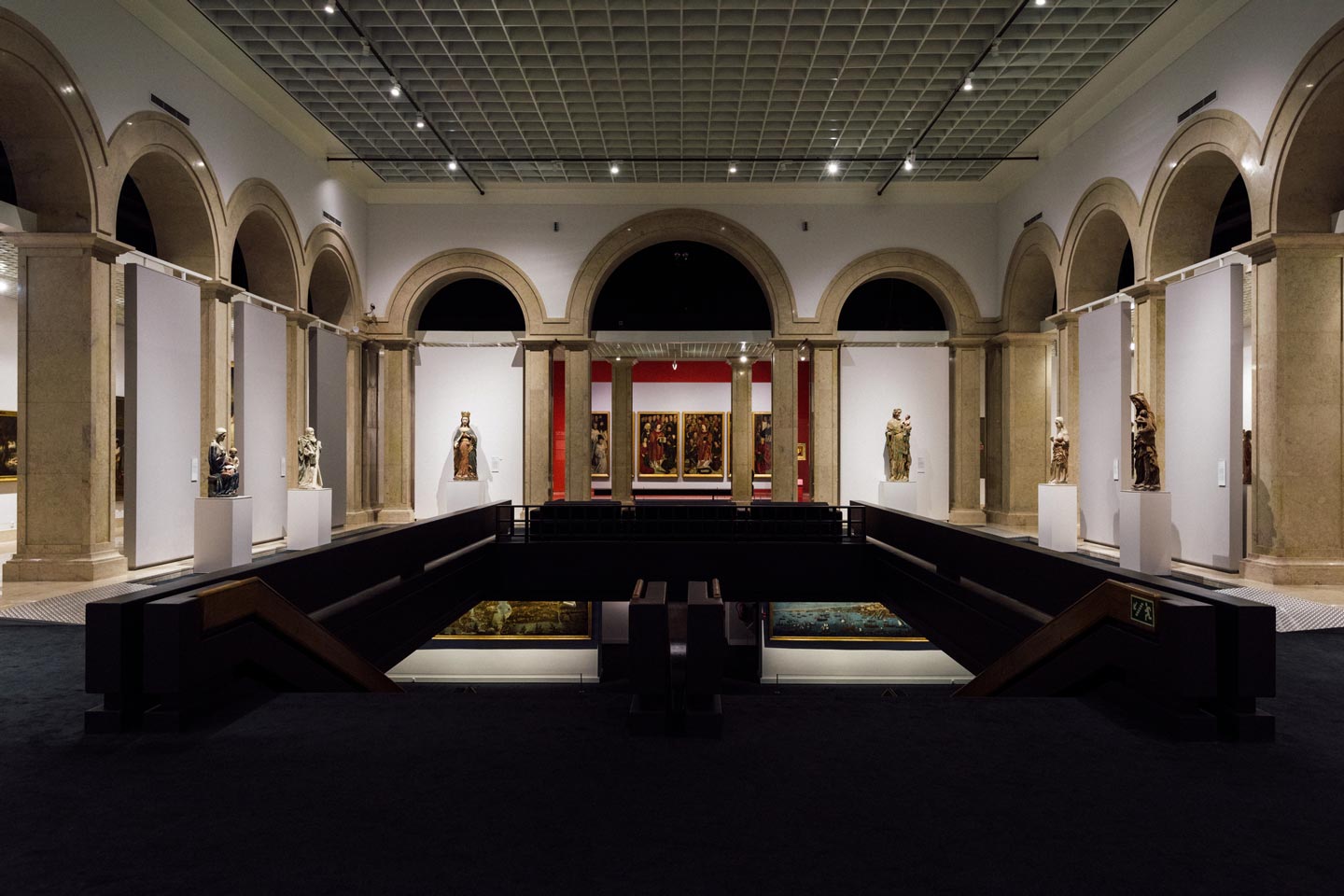
Museum of the Dionísio Pinheiro Foundation
Europe,
Portugal,
citta,
Águeda
The Museum of the Dionísio Pinheiro Foundation, located in Águeda, is a cultural institution of great importance, founded by Dionísio Pinheiro and his wife Alice Cardoso Pinheiro. This museum represents a valuable meeting point between art, history, and culture, encompassing a vast collection of artworks ranging from the 14th to the 20th century.
Dionísio Pinheiro, born in Águeda in 1891, had a modest childhood and started working at a young age. Moving to Porto at the age of eleven, he found employment at Armazéns Cunha, where his work and intellectual abilities allowed him to quickly advance in his career, later becoming a partner in the same company. Thanks to his entrepreneurial spirit, Pinheiro founded a textile factory in Rebordões, Santo Tirso, and accumulated a considerable fortune. His passion for art and culture led him to collect numerous artistic objects, with the help and sensitivity of his wife Alice.The Dionísio Pinheiro Foundation was established on May 5, 1969, as desired in Dionísio’s will, who passed away in 1968. The foundation’s main objective was the preservation and dissemination of the artistic heritage acquired by the founders, and it was established in Quinta de São Pedro, a property owned by the family. The museum building project was entrusted to architect Agostinho Rica, and construction began in 1974, completing in 1982. The museum was officially inaugurated on June 28, 1985.The museum houses six rooms of permanent exhibitions and a room dedicated to temporary exhibitions. The permanent collections include a wide range of artworks, including paintings, sculptures, furniture, ceramics, ivories, and silverware. These works not only represent different historical periods and artistic styles but also reflect the personal tastes and preferences of the founders.One of the most significant pieces in the collection is a series of Renaissance and Baroque paintings that offer a glimpse into the artistic techniques and themes of those periods. The sculptures in the museum range from classical to more modern works, highlighting the evolution of artistic forms and expressions over the centuries. The furniture collection includes examples of Portuguese and European craftsmanship, with pieces ranging from the 17th to the 20th century, each with its own history and charm.The museum also dedicates part of its exhibition to ceramic artifacts, including Portuguese and Chinese ceramics. These objects not only illustrate the technical skill of artisans but also the cultural and commercial influences between East and West. The ivories and silverware, with their intricate craftsmanship and beauty, are testimonies to a tradition of the highest level of craftsmanship.In addition to the permanent collections, the museum regularly organizes temporary exhibitions that explore various artistic and cultural themes. These exhibitions not only enrich the cultural offerings of the museum but also help maintain public interest and attract new visitors.The museum also has a library that houses a vast collection of books and manuscripts, some of which are very rare and of great historical value. This library is a valuable resource for scholars and art enthusiasts, offering a wide range of materials for research and study.The Clarissimi Viri auditorium is another point of interest in the museum, used for conferences, presentations, and other cultural events. This multifunctional space allows for activities that promote culture and education, in line with the foundation’s mission.The gardens and forest surrounding the museum offer an oasis of tranquility and natural beauty. These green spaces not only enhance the visitor experience but also provide an ideal environment for outdoor events and educational activities.
Read More