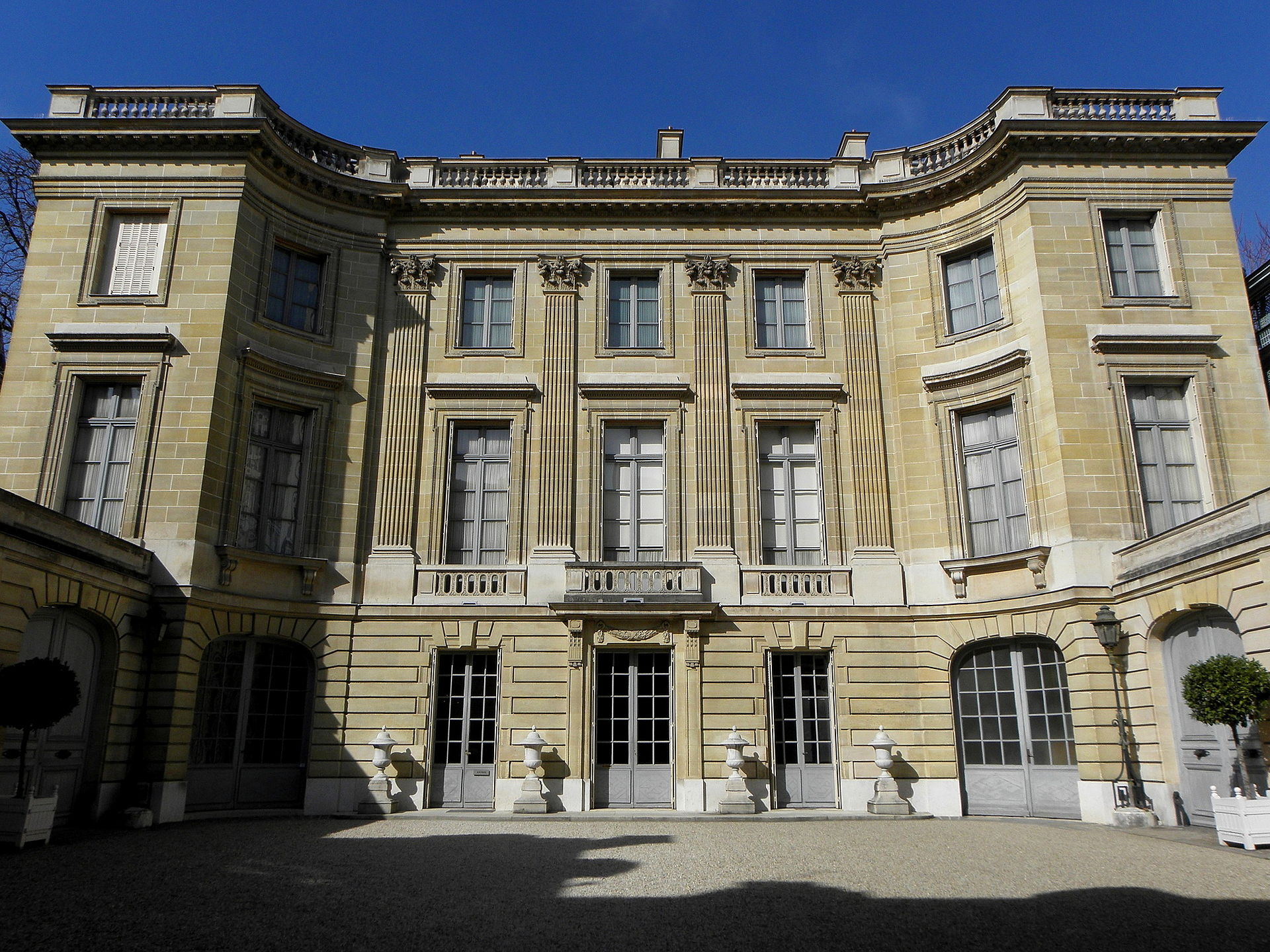
Nissim de Camondo Museum
Europe,
France,
citta,
VIII arrondissement
The Musée Nissim de Camondo, located in the prestigious 8th arrondissement of Paris, is a true hidden gem, dedicated to the memory of young Nissim de Camondo, who fell during the First World War. The house-museum was built between 1911 and 1914 commissioned by Moïse de Camondo, a wealthy French banker and art collector, who wanted to create a place that reflected the magnificence of the Petit Trianon in Versailles, but with all the modern comforts of the time.
Moïse de Camondo, belonging to a Sephardic family, was passionate about French art from the 18th century. His collection includes extraordinary examples of furniture, tapestries, porcelain, and decorative art, many of which belonged to prominent historical figures such as Marie Antoinette. The residence, designed by architect René Sergent, is a masterpiece of neoclassical architecture and offers visitors an immersion into the aristocratic life of the time.Upon Moïse’s death in 1935, the house and its collections were donated to Les Arts Décoratifs in honor of his son Nissim, who died in combat during the Great War. The museum opened to the public in 1936, maintaining the atmosphere of a private residence. This makes a visit to the Musée Nissim de Camondo a unique experience: each room is furnished as if still inhabited, with meticulous attention to detail that transports visitors back in time.The museum’s collection is vast and includes pieces of incredible artistic and historical value. Among the furniture, works by famous cabinetmakers such as Jean-François Oeben, Jean Henri Riesener, and Georges Jacob stand out. Savonnerie carpets, woven in 1678 for the Grande Galerie of the Louvre, adorn the floors, while the walls are decorated with Beauvais and Aubusson tapestries, and paintings by great masters such as Élisabeth Vigée Le Brun, Francesco Guardi, and Jean-Baptiste Oudry.One of the most impressive objects is the Orloff silver table service, commissioned by Catherine II of Russia and made by silversmith Jacques-Nicolas Roettiers in 1770. This service, with its splendor and refinement, represents the pinnacle of 18th-century silverware art. The Buffon porcelain service, produced in Sèvres in the 1780s, also deserves a special mention for its ornithological theme decoration.The history of the Camondo family is marked by tragedy. During the Second World War, Moïse’s daughter Béatrice, along with her ex-husband Léon Reinach and their two children, were deported and killed in Auschwitz. This tragic event adds a dimension of profound emotion to the museum visit, highlighted by a commemorative plaque that remembers their shattered lives.
Read More