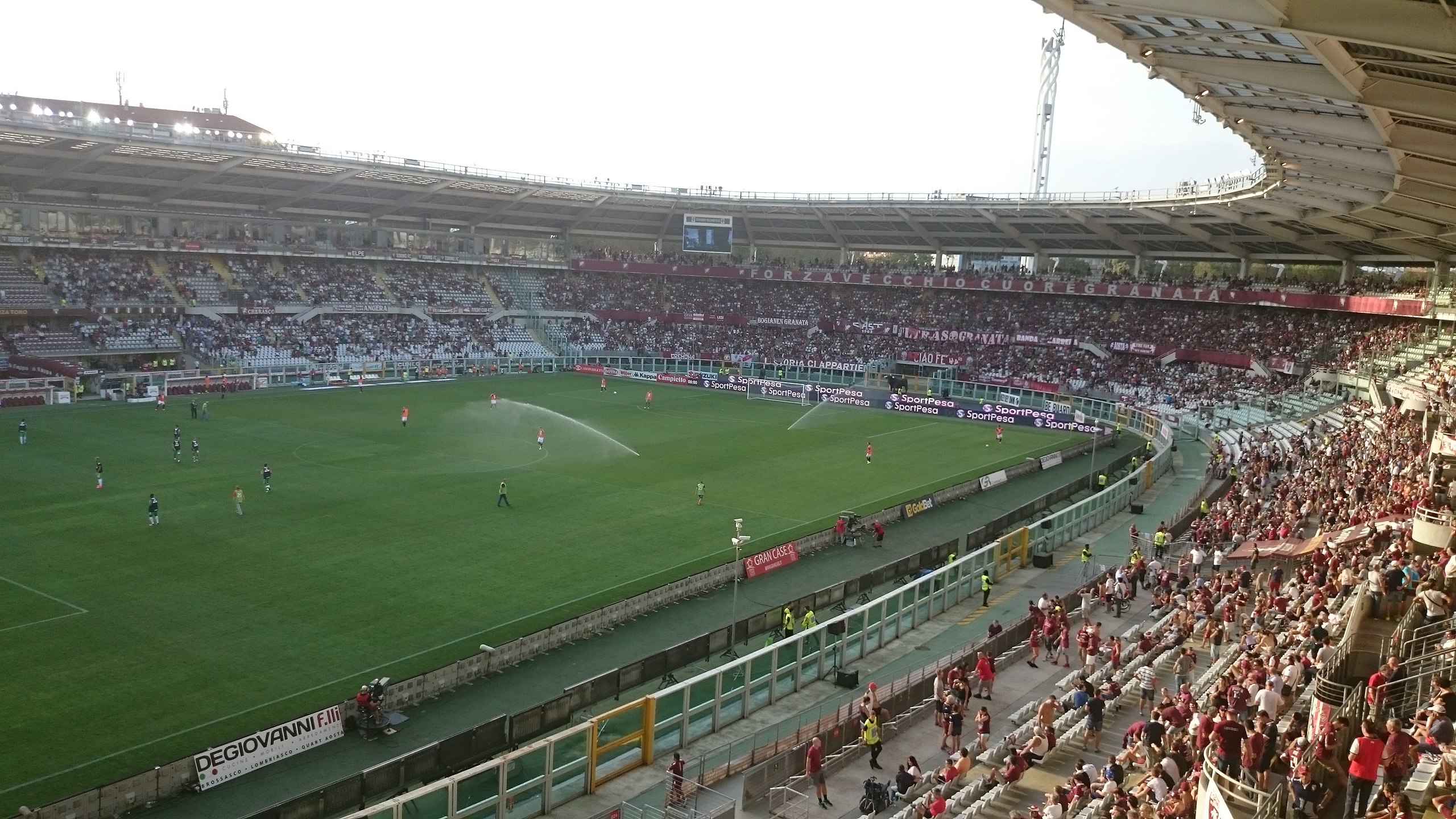
Olympic Stadium Grande Torino
Europe,
Italy,
citta,
Santa Rita
The Stadio Olimpico Grande Torino is an icon of Italian sports and a symbol of the city of Turin. Built in 1933 and inaugurated under the name Stadio Municipale Benito Mussolini, the facility was designed by engineer Riccardo Morandi and architect Enrico Bonicelli, as part of fascist urban planning. The original project included a multi-purpose facility, suitable for both sports events and large gatherings.
The original structure included a track and field, a cycling track, a football field, and a grandstand capable of accommodating 65,000 spectators. During World War II, the stadium suffered significant damage, but was promptly repaired and reopened to the public. After the war, in 1945, the facility was renamed Stadio Comunale, a name it kept until 2006.
In the 1950s and 1960s, the stadium was the stage for the achievements of Juventus and Torino, the two city football clubs. Historic matches took place here, featuring legendary champions like Giampiero Boniperti, Omar Sivori, and Valentino Mazzola. However, over time, the facility began to show signs of aging and needed modernization.
An important phase of restructuring took place in preparation for the 2006 Turin Winter Olympics. The goal was to bring the stadium up to international standards and transform it into a modern and functional facility. The works, started in 2003, led to a complete renovation of the structure, removing the track and field and focusing solely on the football field. The stadium was equipped with new changing rooms, renovated stands, a roof for the seating areas, and modern amenities for spectators.
The reopening of the stadium, renamed Stadio Olimpico, took place on January 28, 2006, with a ceremony preceding the official opening of the Winter Olympics. During the games, the stadium hosted the opening and closing ceremonies, spectacular events that showcased the elegance and efficiency of the renovated structure to the world.
In 2011, on the occasion of the 150th anniversary of the Unification of Italy, the stadium was further dedicated to the memory of the Grande Torino, the football team tragically lost in the Superga air disaster in 1949. This dedication holds deep significance for the city and the Granata fans, who see the stadium as a symbol of pride and memory.
Today, the Stadio Olimpico Grande Torino can accommodate around 27,500 spectators and continues to be an important venue for sports events and concerts. Juventus played their home matches there until 2011, when they moved to the new Juventus Stadium. Currently, the stadium is home to Torino Football Club, which uses it for their Serie A matches and other national and international competitions.
The architecture of the stadium combines historical and modern elements. The exterior facades, with their clean lines and reinforced concrete structure, recall the rationalist origins of the project, while the renovated interiors offer comfort and functionality to fans. The roof of the stands, made of steel and polycarbonate, provides protection from the elements and good visibility of the field from any point in the stands.
One of the curious anecdotes related to the stadium is the event of June 1, 1980, when Bob Marley and the Wailers held a memorable concert, which remained etched in the memory of thousands of spectators and helped cement the bond between the stadium and music.
Read More