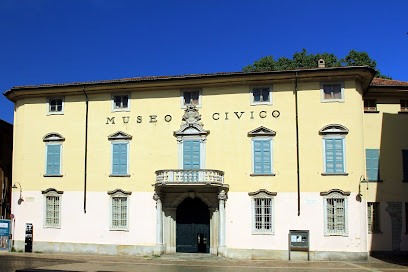
Paolo Giovio Archaeological Museum, Como
Europe,
Italy,
Como,
The Paolo Giovio Archaeological Museum is located in the heart of Como, a city rich in history and culture. Founded in 1932, the museum is dedicated to the preservation and enhancement of the archaeological heritage of the region. Its importance is recognized not only for the collections on display but also for the role it plays in connecting the past of the Como area with the present. The museum hosts artifacts that date back from prehistoric times to the Roman era, thus representing a fascinating journey through the centuries. A fundamental reference point for scholars and visitors, the museum demonstrates how history still lives in the places we inhabit. The origins of the Paolo Giovio Archaeological Museum are linked to the passion for history and antiquity of Paolo Giovio, a 16th-century intellectual from Como. Giovio, known for his writings and his collection of works of art, exemplified the Renaissance interest in the past. However, the establishment of the actual museum only occurred in the 20th century, when the city of Como decided to create a structure dedicated to safeguarding archaeological finds. The real impetus for the museum’s creation came in the 1930s, coinciding with excavation works in various areas of the city, which uncovered a rich array of artifacts. The museum was established in 1932, thanks to the initiative of the Municipality of Como, and was located in the Palazzo del Broletto, a medieval building that itself represented a piece of history. Over the years, the museum has undergone numerous restorations and expansions. One of the most significant took place in 1982, when the structure was renovated to improve exhibition conditions and better preserve the materials. The museum’s collection consists of about 4,000 artifacts, including ceramics, coins, and everyday life tools, telling the story of the local community from the Bronze Age to the Roman period. The management of the museum is entrusted to the Archaeological Superintendency of Lombardy, which ensures the proper conservation and enhancement of the exhibited heritage. Thanks to continuous research and the invention of new exhibition technologies, the museum manages to remain a reference point for the community and tourists. As soon as you cross the threshold of the Paolo Giovio Archaeological Museum, the first thing that catches the eye is the evocative atmosphere that pervades the spaces. The medieval palace, with its stone walls, provides a perfect backdrop for the archaeological treasures housed within. Let’s begin our tour by observing the facade of the building, characterized by an elegant stone portal that introduces visitors to the architectural styles that have alternated over the centuries. Continuing inside, one of the main exhibition areas is dedicated to everyday objects from the Iron Age. Here we can admire bronze tools, ceramics, and other artifacts that tell the life of our ancestors. Each piece is a silent witness to rites and traditions, a tangible link to the civilization of that time. To the right of the hall, there is a section dedicated to Ancient Rome, where mosaics and Latin inscriptions are displayed, outlining not only the history of the ancient inhabitants of Como but also the cultural and commercial influences the city has experienced over the centuries. An interesting mosaic depicting scenes of everyday life illustrates the interaction between the different cultures that populated this land. A particularly fascinating element is the numismatic collection, which gathers coins from various periods. These small objects, seemingly insignificant, tell enormous stories: from commercial transactions to political changes. The inscriptions on the coins carry valuable information about the kings of past eras. Another point of interest is the display case dedicated to finds near Lake Como. Here we can observe underwater artifacts that date back to different historical periods, witnessing the importance of the lake not only as a natural resource but also as a commercial and cultural crossroads. These finds offer a glimpse into life that highlights the interaction between humans and their surrounding environment. We cannot forget to mention the important section distributed across several rooms, which contains discoveries from necropolises and tombs. Here, funerary objects provide valuable information about the culture and religious beliefs of ancient peoples. The funeral goods tell not only of earthly life but also of aspirations toward an afterlife, witnessing the spirituality of those times. Finally, heading to the upper floor, the view from the terrace of the palace deserves attention, offering a breathtaking panorama of the city of Como and the lake. Here, history harmoniously blends with the natural beauty of the scenery, allowing the visitor to reflect on the importance of the relationship between humans and their environment. The Paolo Giovio Archaeological Museum is located in the historic center of Como, surrounded by other places of great interest. Just a short walk away is the Como Cathedral, a masterpiece of Gothic art dating back to the 14th century and representing one of the city’s major architectural testimonies. The cathedral is a must-see for every visitor, and its history intertwines with that of the Archaeological Museum itself. Another significant place is the Teatro Sociale di Como, an elegant 19th-century theater that offers a glimpse into the cultural life of the city. The proximity of these sites further enriches the experience for those visiting the museum, creating a fascinating route through the heart of Como’s history. Not far from the museum, we can also explore the Tempio Voltiano, dedicated to Alessandro Volta, the famous scientist from Como known for his studies on electricity. This museum, in turn, deepens the scientific history of the city and its connection to European culture. The Paolo Giovio Archaeological Museum hosts temporary exhibitions that often shed light on lesser-known aspects of daily life in the past. A recent exhibition focused on ancient culinary traditions, exploring the evolution of food and eating habits over the centuries. Another curiosity involves the discovery of an ancient Roman port near the lake, which has been studied in collaboration with universities and research centers. This finding has provided new insights into the commercial exchanges that took place in Roman times. Finally, the museum has initiated educational initiatives aimed at schools, to engage young people with local history. Through guided tours and educational workshops, students can learn about the culture of their territory in an interactive and engaging way.
Read More