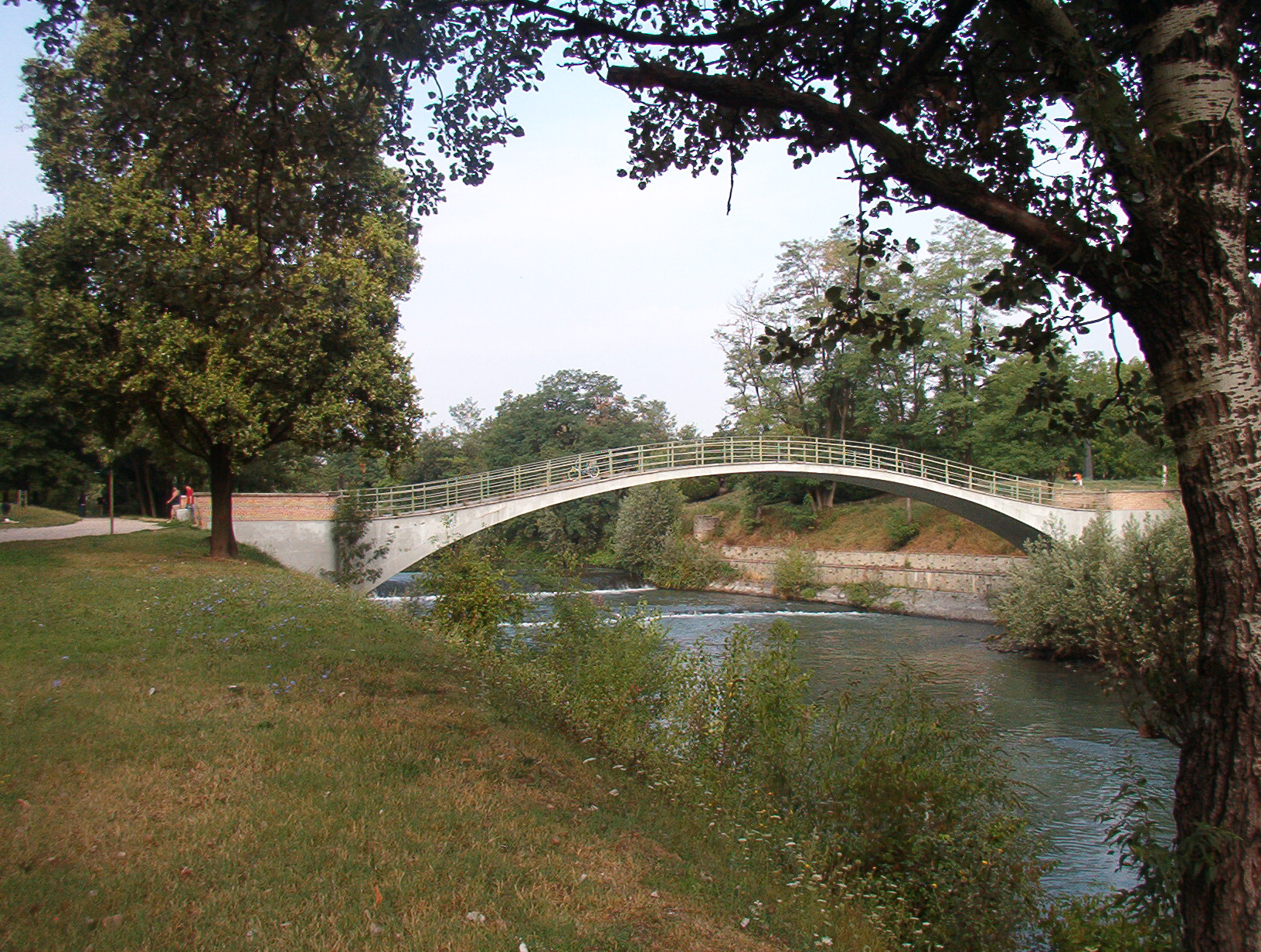
Pellerina Park
Europe,
Italy,
citta,
Parella
The Pellerina Park, officially named Mario Carrara Park, is the largest urban park in Turin and covers over 83 hectares. Located in the western part of the city, between corso Regina Margherita, corso Appio Claudio, via Pietro Cossa, and corso Lecce, the park is an important green lung for the city and a meeting place for its inhabitants.
The park’s history began in the early 20th century, but construction work only began in the 1930s. During World War II, the area was used for military purposes and it was only in the 1950s and 1960s that it was restored and transformed into a public park. The final landscaping of the park was completed in the early 1980s, making it one of the most beloved places for leisure and outdoor activities by the people of Turin.
The park is named after the Cascina della Pellerina, an ancient structure that stood in the area and also gave its name to the nearby area of the city. The farmhouse itself was a refuge for pilgrims, and it is believed that the name “Pellerina” may derive from “Pellegrina” (pilgrim). However, there is also an alternative interpretation that connects the name to the stone of the berlina, a place where insolvent debtors were exposed.
One of the most fascinating features of the Pellerina Park is the presence of the Dora Riparia, the river that runs through the park, creating a picturesque and varied landscape. The course of the river has been modified to make it more linear, but it still retains stretches of natural beauty that host a rich aquatic fauna, including mallards, coots, moorhens, and swans. Recently, following the flood of October 2000, a natural pond has formed, adding further ecological interest to the park.
The park is well-equipped for sports and leisure, with facilities including a swimming pool, soccer fields, a skating rink, a BMX track, bocce courts, and tennis courts. These spaces are very popular with the city’s residents, especially on weekends and holidays. The park also hosts an amusement park during the Carnival period, making it a lively place full of activities for all ages.
One of the historical elements of the park is the Cascina Marchesa, a seventeenth-century structure located between the Dora and the Lago Grande, which now serves as the organizational headquarters for the Turin Marathon, the city’s annual marathon. The farmhouse is a perfect example of how historical and modern elements can coexist harmoniously in an urban setting.
The Pellerina Park has also been an important venue for cultural and musical events. In the 1980s and 1990s, the park hosted large concerts and festivals, including the Pellerossa Festival and the Traffic Festival, with the participation of internationally renowned artists such as Joan Baez and Iggy Pop. These events have helped to establish the park’s role as a cultural and entertainment center for the city.
In addition to sports and cultural activities, the park offers ample green areas for walks, picnics, and relaxation. The tall trees and wide lawns make Pellerina an ideal place to escape the hustle and bustle of city life and enjoy some tranquility in the midst of nature.
Another significant aspect of the Pellerina Park is its commitment to historical memory. Since 2009, a part of the park has been dedicated to the memory of the seven Turin workers who died in the ThyssenKrupp fire on December 6, 2007. This act of commemoration emphasizes the importance of the park not only as a recreational area, but also as a space for reflection and remembrance.
Read More