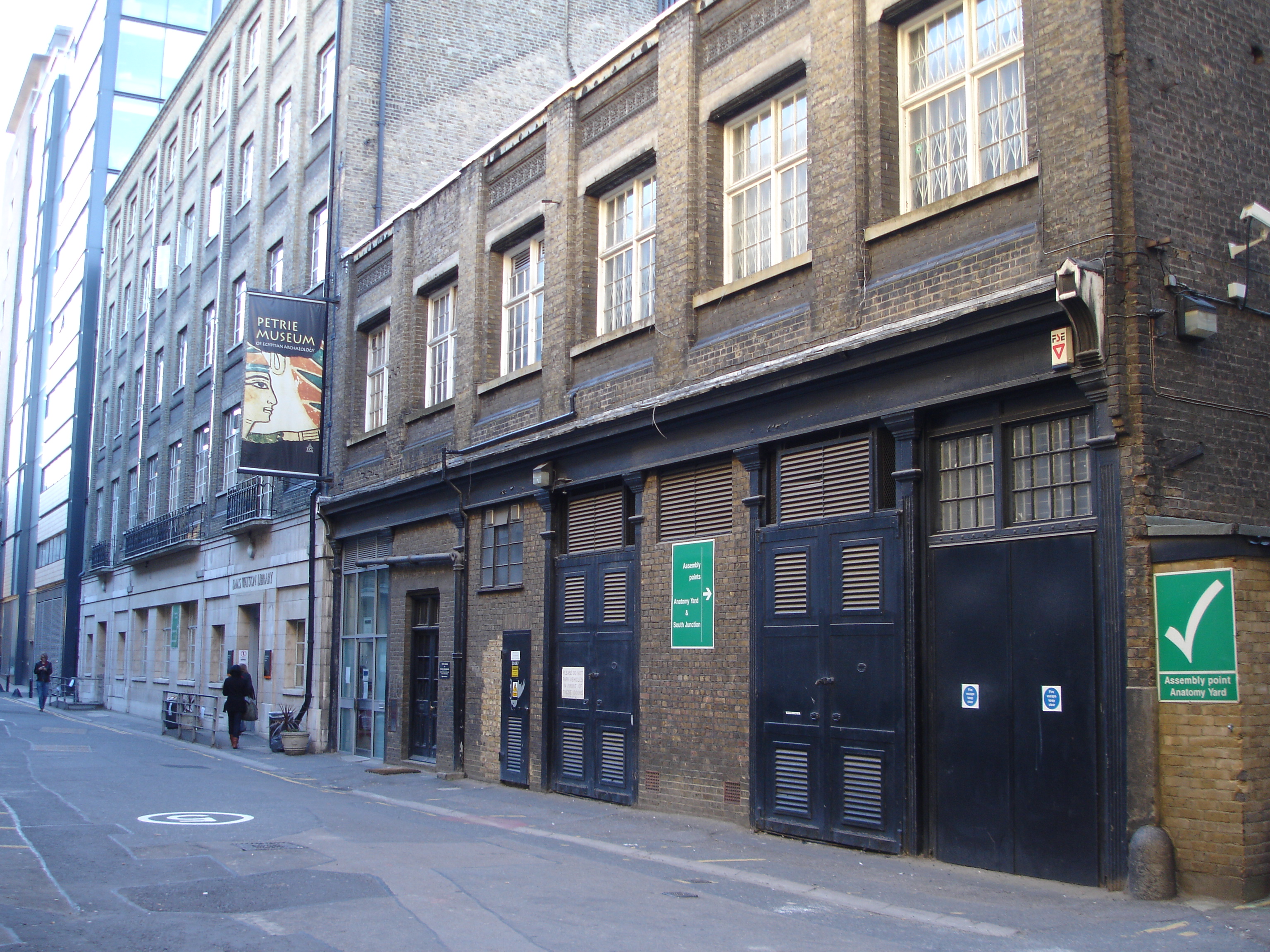
Petrie Museum of Egyptian Archaeology
Europe,
United Kingdom,
citta,
Bloomsbury
The Petrie Museum of Egyptian Archaeology, located in the vibrant Bloomsbury district of London, is one of the city’s hidden gems and offers one of the most impressive collections of Egyptian and Sudanese artifacts outside of Egypt. Founded in 1892 as an educational resource for the Department of Egyptian Archaeology and Philology at University College London (UCL), the museum owes its initial existence to the generous donation of Amelia Edwards, a writer and passionate Egyptologist.
The museum is named after William Matthew Flinders Petrie, one of the most important archaeologists of the 19th and 20th centuries, often considered the father of modern scientific Egyptology. Petrie, with his methodical and innovative approach to archaeological excavations, amassed a vast collection of artifacts during his expeditions to key sites such as Amarna, Meydum, and Hawara. In 1913, Petrie sold his personal collection of artifacts to UCL, significantly expanding the museum’s content.Today, the Petrie Museum houses approximately 80,000 objects covering a vast chronological span, from Egyptian prehistory to the Islamic period. Among the most significant pieces are the Roman mummy portraits from Hawara, one of the largest collections of its kind in the world, representing some of the earliest realistic depictions of human faces. These portraits, painted on wooden panels, were placed above the mummies and offer a fascinating insight into the fusion of Egyptian and Roman artistic styles.Another object of great interest is the Tarkhan garment, dating back to around 3000 BC, one of the oldest intact items of clothing ever found. This garment, made of linen, demonstrates the skill and advanced aesthetics of ancient Egyptian weavers. The collection also includes statues, ceramics, jewelry, tools, and weapons, providing a detailed overview of the daily life, religious beliefs, and funerary practices of the ancient Egyptians. During World War II, the museum’s collection was evacuated to protect it from bombings in London. After the war, the objects were transferred to a temporary building that continues to house the museum to this day. This environment has helped preserve the museum’s historical atmosphere, making the visit a unique experience.The museum is known for its accessible and engaging approach. Despite the vastness and importance of its collections, the museum’s atmosphere is welcoming and informal, with staff available to answer questions and guide visitors through the various exhibitions. The layout of the rooms, with display cases allowing for a close-up view of the objects, helps create an immersive and educational experience.
Read More