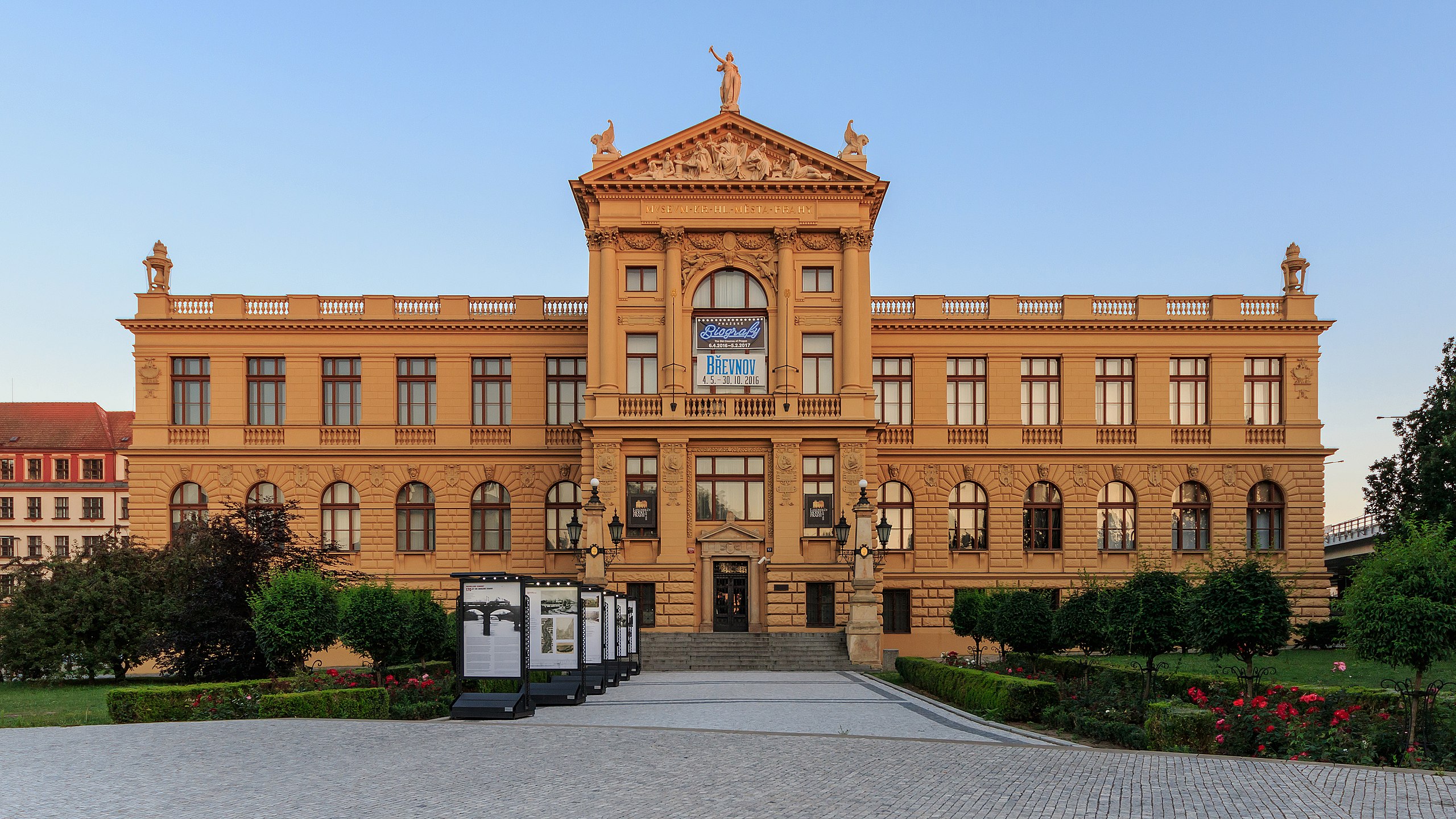
Prague City Museum
Europe,
Czech Republic,
Prague,
Florenc
The Prague City Museum, located in the Florenc district, is an institution that offers an in-depth look at the rich and complex history of the Czech capital. Founded in 1881, the museum is housed in an imposing Neo-Renaissance building designed by architect Antonín Wiehl. The museum’s mission is to document and celebrate the evolution of Prague through the centuries, from prehistory to the modern era.
One of the main attractions of the museum is the three-dimensional model of Prague, created between 1826 and 1837 by architect Antonín Langweil. This detailed model, built on a scale of 1:480, provides an accurate representation of the city in the 19th century and covers an area of approximately 20 square meters. Langweil used paper and wood to create this masterpiece, which includes every building, street, and public space of the time, giving visitors a valuable insight into historic Prague before the significant urban transformations of the 20th century.The museum hosts several permanent exhibitions that explore various aspects of Prague’s history. The prehistoric section of the museum displays archaeological finds that illustrate life in the Prague region since the Stone Age. Among the most significant pieces are stone tools, ceramics, and fossil remains that testify to the ancient human presence in the area.The museum also dedicates ample space to the Middle Ages, a crucial period for the formation of Prague’s urban identity. The exhibited objects include artisanal artifacts, weapons, armor, and documents that illustrate daily life, trade, and defense of the city during the medieval period. Special attention is given to the reign of Charles IV, under whose rule Prague became one of the most important cities in Europe and the capital of the Holy Roman Empire.The Renaissance and Baroque periods are well represented with a series of paintings, sculptures, and decorative objects that reflect the artistic and cultural evolution of the city. The exhibited works not only celebrate the artistic beauty of the period but also provide a historical context on the events and personalities that influenced Prague during these centuries of great transformation.The museum also has a section dedicated to the Industrial Revolution and the modernization of Prague in the 19th and 20th centuries. Vintage photographs, building models, maps, and archival documents illustrate the urban, industrial, and social development of the city. This part of the collection highlights urban expansion, the construction of infrastructure such as bridges and railways, and the emergence of Prague as a cultural and economic center of Bohemia.One of the most fascinating elements of the Prague City Museum is its collection of modernist art and design, with works dating back to the early 20th century. This period is represented by works of artists like Alfons Mucha, whose iconic Art Nouveau style creations have left an indelible mark on Prague’s visual culture.The museum also offers a detailed overview of Prague’s more recent history, including the period of Nazi occupation during World War II and the communist era. Dedicated exhibitions explore these periods through objects, photographs, and testimonies that illustrate the challenges and transformations experienced by the city and its inhabitants. The section on the Velvet Revolution of 1989, which led to the end of the communist regime, is particularly exciting and offers a glimpse into the hopes and struggles of the Czech people for freedom and democracy.
Read More