Queen's House
Europe,
United Kingdom,
citta,
Greenwich
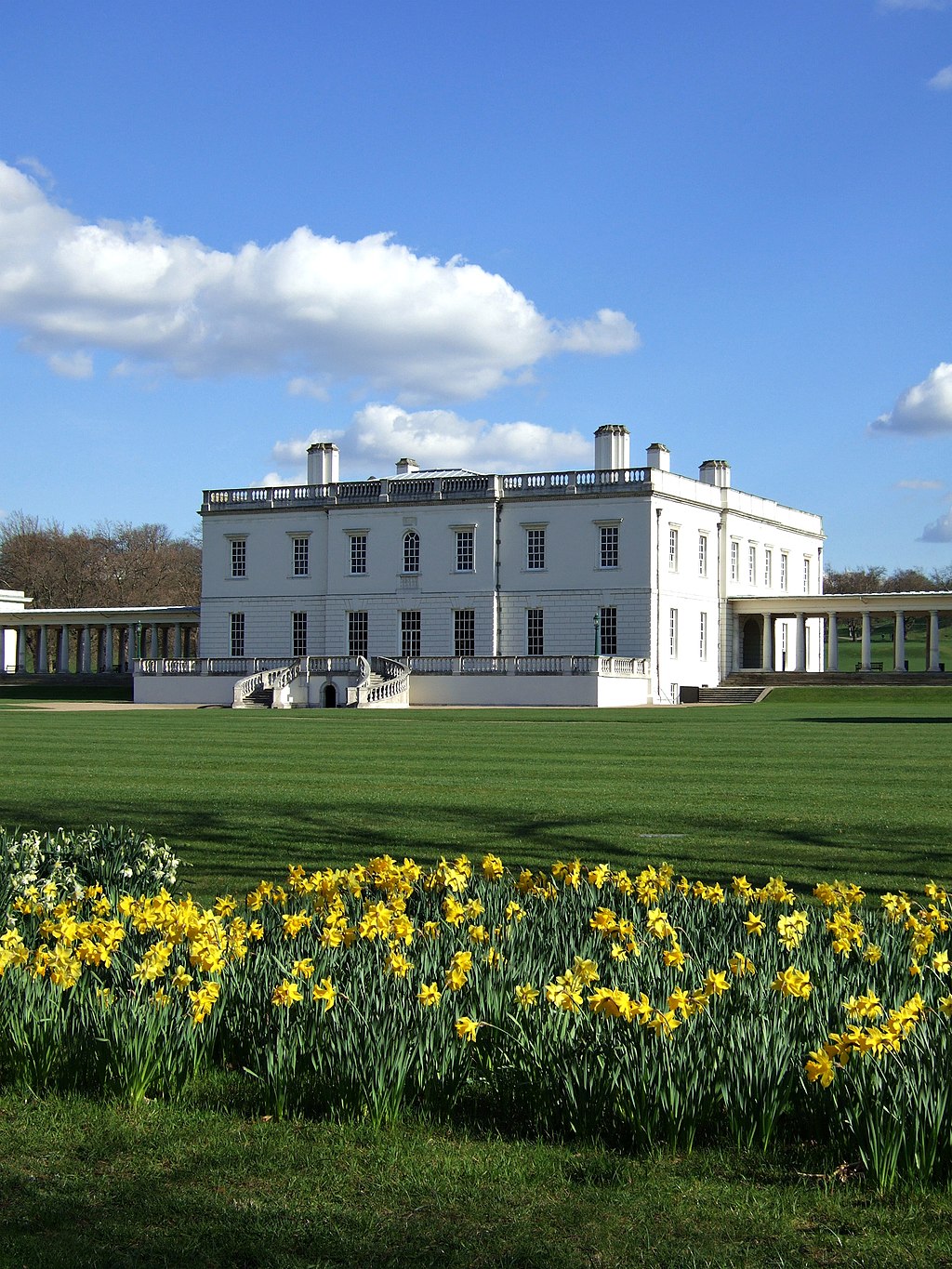
The Queen’s House, located in the heart of the historic Greenwich district in London, is an architectural gem that embodies the elegance of the English Renaissance period. Designed by Inigo Jones, this palace is considered one of the most significant examples of Palladian architecture in the United Kingdom. Built between 1616 and 1635, the Queen’s House was originally conceived as a royal residence for Anne of Denmark, wife of James I, although it was only completed during the reign of Charles I for his wife, Queen Henrietta Maria.
The Queen’s House stands out for its sober and symmetrical design, a clear departure from the prevailing late-Gothic architectural style in England at the time. Inigo Jones, inspired by his studies of Italian classics and the works of Andrea Palladio, introduced elements of harmony and proportion that were revolutionary for the English context. The white brick facade, adorned with limestone, is an example of simplicity and sophistication that contrasts with the baroque grandeur that would follow in the subsequent decades.One of the most notable features of the Queen’s House is the Great Hall, a monumental double-height room with a decorated coffered ceiling and large windows offering panoramic views of the surrounding gardens and the River Thames. This room represents the heart of the palace and has been the venue for numerous social and ceremonial events of the royal court. The marble spiral staircase, a masterpiece of engineering and design, connects the various floors of the house and adds a touch of grandeur to the interiors.During its time as a royal residence, the Queen’s House hosted numerous prominent historical figures and witnessed significant events. During the English Civil War, for example, the building was used as a military headquarters and witnessed the political turmoil that shook the kingdom. After the Restoration of the monarchy, the Queen’s House returned to being a center of social and cultural life under Charles II and his queens.Over the centuries, the Queen’s House has undergone various changes in function and use. In the 18th century, the building was incorporated into the Royal Naval Hospital complex, designed by Christopher Wren, and served as a residence for sailors’ widows. This phase marked a period of adaptations and modifications that, however, respected the original architectural integrity of the palace.Today, the Queen’s House is part of Maritime Greenwich, a UNESCO World Heritage site, and houses a significant portion of the National Maritime Museum. The museum offers visitors a wide range of exhibitions exploring British maritime history, including paintings, maps, navigation instruments, and ship models. The Queen’s House itself is one of the museum’s main attractions, with restored rooms that recreate the atmosphere of the 17th-century royal court.The permanent and temporary exhibitions hosted in the Queen’s House provide a comprehensive overview of British history and culture, with a particular focus on navigation and maritime exploration. Among the most precious pieces on display are paintings by artists such as William Hodges and George Stubbs, depicting scenes of exploration and travel, as well as portraits of important historical figures linked to British maritime history.Another fascinating aspect of the Queen’s House is its landscape setting. The gardens surrounding the building are an integral part of the visitor experience. Designed to reflect the geometry and symmetry of the palace’s architecture, the gardens offer a place of peace and natural beauty that complements the grandeur of the building. Visitors can stroll along tree-lined avenues, admire the flower beds, and enjoy panoramic views of the Thames and the city of London.
Read More