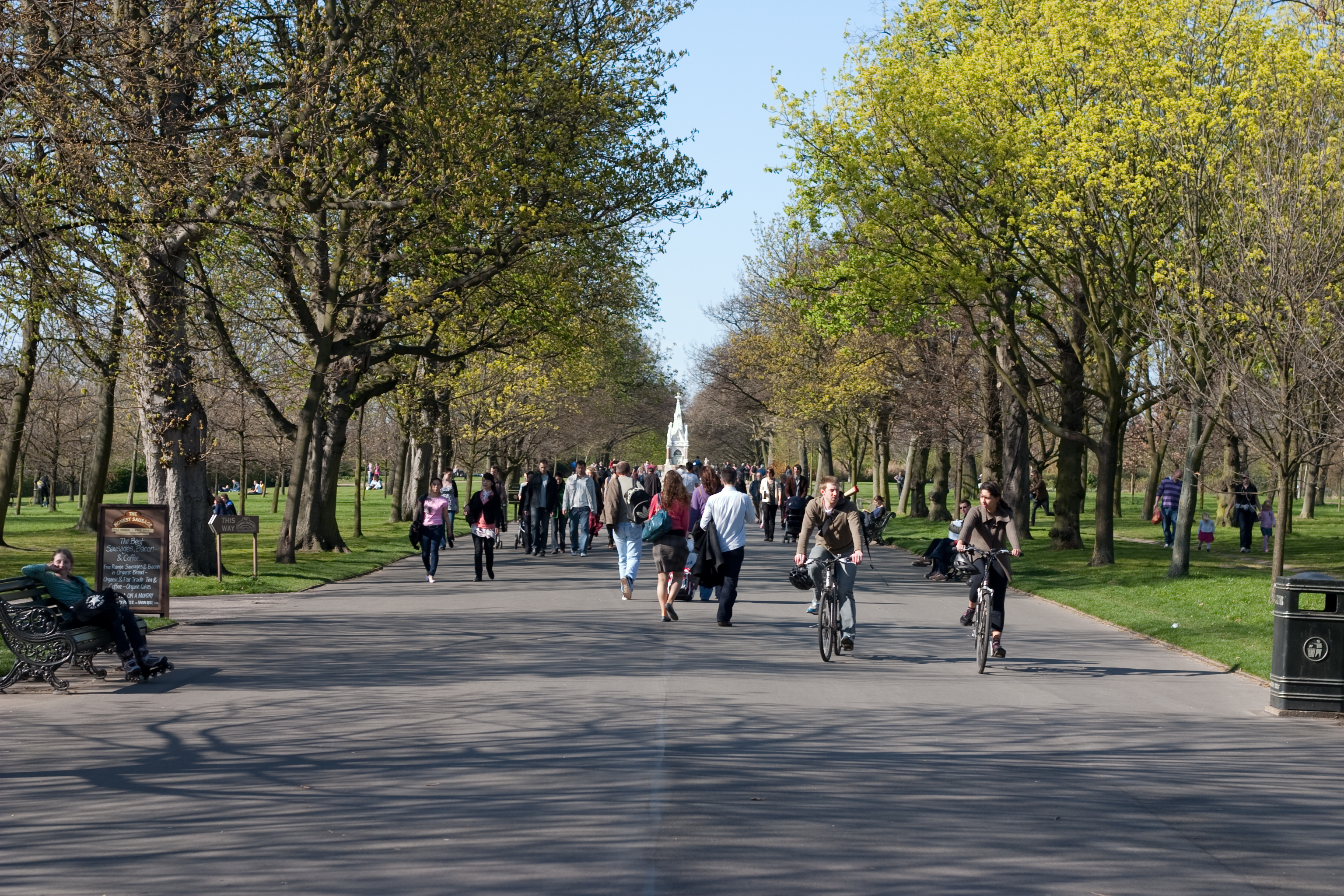
Regent's Park
Europe,
United Kingdom,
citta,
Regent's Park
Regent’s Park, one of the most famous royal parks in London, is a perfect fusion of history, architecture, and urban landscape. Created as part of a vast urban redevelopment in the early 19th century, the park not only offers a green refuge in the heart of the city but also vividly exemplifies the architectural vision of that period.
The origins of Regent’s Park date back to the Middle Ages when the area was known as Marylebone Park, a vast hunting reserve belonging to the royal family. This wooded land, populated by deer and other wild animals, was primarily used as hunting grounds until the 17th century. During the English Civil War, many trees were felled to sell the timber and fund the parliamentary forces. Subsequently, the land was leased to local farmers until, in the early 19th century, the Prince Regent, future George IV, decided to transform it.The transformation project was entrusted to John Nash, one of the most influential architects of the Regency period. Nash conceived an ambitious plan that involved creating a landscaped park surrounded by elegant villas and residential terraces. Nash’s design combined natural beauty with a sense of order and architectural symmetry, distinctive features of the Regency style. Although many of the planned villas were never built, the park itself became a symbol of urban elegance.Regent’s Park covers 166 hectares and includes a variety of landscapes, from open meadows to formal gardens. One of its most notable features is Queen Mary’s Gardens, located in the Inner Circle of the park. This garden is home to over 12,000 roses of different varieties, creating a spectacle of colors and scents that attracts visitors from around the world. The care and maintenance of these gardens are managed by the Royal Botanic Society, which has played a crucial role in their design and development since the 19th century.In addition to its scenic beauty, Regent’s Park is also a center of cultural and scientific activities. The park is home to the London Zoo, founded in 1828, the oldest scientific zoo in the world. The zoo is one of the main attractions of the park, with a vast collection of animals and a commitment to conservation and scientific research. The park also hosts the Regent’s Park Open Air Theatre, which has been offering theatrical performances in a unique natural setting since 1932, contributing to the city’s cultural life.The history of Regent’s Park is closely linked to the social and political transformations of London. Originally accessible only to residents of the surrounding villas, the park was opened to the public in 1835, reflecting a change in the perception of public spaces as places of gathering and leisure for all social classes. This transition represented an important evolution in the conception of urban spaces, anticipating modern ideas of accessibility and inclusivity.Furthermore, the park has significant historical relevance, having hosted numerous events and celebrations over the centuries. One of the most memorable episodes was the Great Exhibition of 1851, held in nearby Hyde Park, which attracted visitors from around the world and marked an important moment of national pride for Victorian Britain.
Read More