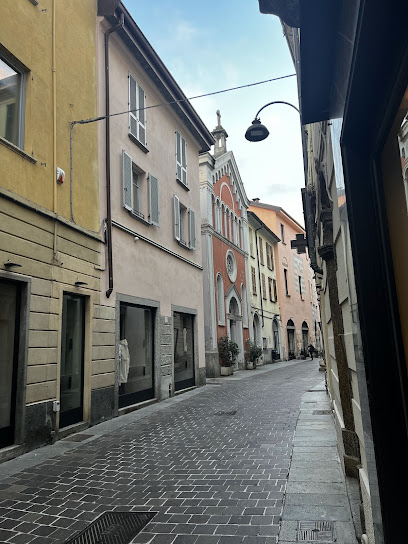
Rusca Palace, Como
Europe,
Italy,
Como,
Welcome to Palazzo Rusca, a jewel of historical architecture located in the heart of the city of Como. This building, known for its beauty and cultural significance, represents an important chapter in the history of Como. Built in the 18th century, Palazzo Rusca is now famous for its art collections, which span from the Renaissance to the 20th century. In addition to being an exhibition venue, the palace hosts cultural events and artistic activities, making it a landmark for the city’s cultural identity. As we immerse ourselves in the history and art of this fascinating place, we invite you to observe the architectural details and the artworks that make it unique. The construction of Palazzo Rusca dates back to the 1700s, a period characterized by artistic and cultural fervor throughout Europe. The palace was commissioned by Bartolomeo Rusca, an important figure of the Como nobility. The origins of the palace are intertwined with the history of the Rusca family, which has played a significant role in the political and economic life of Como over the centuries. The architectural project is attributed to the local architect Giacomo D’Adda, who conceived a building that could reflect the prestige of the commissioning family. The palace features an elegant façade, characterized by an alternation of neoclassical and baroque elements, showcasing the skill of artisans of the time. The construction of the palace was completed in 1775, and since then it has undergone various transformations and restorations. In the following years, the building underwent several modifications, particularly in the 19th century, when the Rusca family decided to adapt it to new residential needs. In 1920, Palazzo Rusca became a museum, thus beginning a new life as a place of art and culture. Thanks to an important series of restorations and improvements, today the palace hosts significant exhibitions that enhance the artistic heritage of Lake Como and beyond. In 2002, Palazzo Rusca underwent a significant restoration that revealed original architectural details and made the exhibition spaces more accessible to the public. Today, the palace not only preserves valuable artworks but also serves as a meeting place for artists and art enthusiasts. As you arrive near Palazzo Rusca, observe the façade, which presents a harmony of lines and architectural details typical of the neoclassical style. The large windows with rounded openings further testify to the decorative richness of the era. Entering the palace, you find yourself in a spacious atrium, decorated with frescoes that evoke the life of the Como nobility. To your right, admire the first of several salons. The rooms are richly furnished and feature frescoed ceilings, with works that tell mythological stories and scenes from daily life in the 18th century. Continuing on, you will reach the main gallery, where some of the most significant works from the collection are displayed. Here, you can admire paintings by artists such as Giovanni Segantini and Francesco Hayez, two prominent names in Italian art. Each work has a unique story that reflects the spirit and artistic trends of the time. The secondary rooms also offer surprises. Each environment has been carefully curated, featuring period furniture and decorations that will make you feel transported to the past. If you look closely, notice the details of the doors and hinges, crafted with advanced woodworking techniques for the period. Another element not to be missed is the gardens outside. These green spaces, while smaller than those of other noble residences, offer a charming view of the lake and the surrounding mountains. It is the perfect spot for a reflective pause, away from the hustle and bustle of the city. Finally, don’t forget to visit the palace’s library, a corner of tranquility where you will find ancient volumes and precious editions that tell the story of Como and its traditions. This environment is a testament to a passionate collection that the members of the Rusca family have amassed over the centuries. Palazzo Rusca is set in a historically and culturally significant context, just a short walk from the center of Como. The surrounding area is characterized by a mix of modern and historical architecture, reflecting the city’s different phases of development. Nearby, it is worth visiting the Duomo of Como, one of the most fascinating cathedrals in Lombardy, with its marble façade and glorious bell tower. Another interesting place is Villa Olmo, a historical residence that hosts numerous cultural and artistic events. Here too, art and history intertwine, making the area even richer in meaning. Another point of interest is the Tempio Voltiano, dedicated to Alessandro Volta, the famous scientist born in Como. This museum offers a fascinating overview of Volta’s contribution to science and is set in a context that celebrates the cultural heritage of the city. An intriguing fact concerns the link between Palazzo Rusca and the Rusca family, which has significantly influenced the political and economic life of Como over the centuries. The family was involved in various matters of prestige and power, and the palace has remained a symbol of their importance in the community. Another interesting aspect is that Palazzo Rusca has hosted numerous artists and intellectuals, becoming a center for cultural exchange. The palace’s rooms have seen thinkers, writers, and artists who have enriched the social life of the city. Finally, during the restorations in the 2000s, innovative construction techniques for the time were discovered, showcasing the skill of local craftsmen. These findings revealed more not only about the structure of the palace but also about the artistic practices of the period. We invite you to continue your exploration by visiting the Duomo of Como and Villa Olmo, two splendid examples of the cultural and artistic heritage of this city, which represent a continuation of the wonder you have just experienced at Palazzo Rusca.
Read More