Schiller Park
Europe,
Germany,
citta,
Wedding
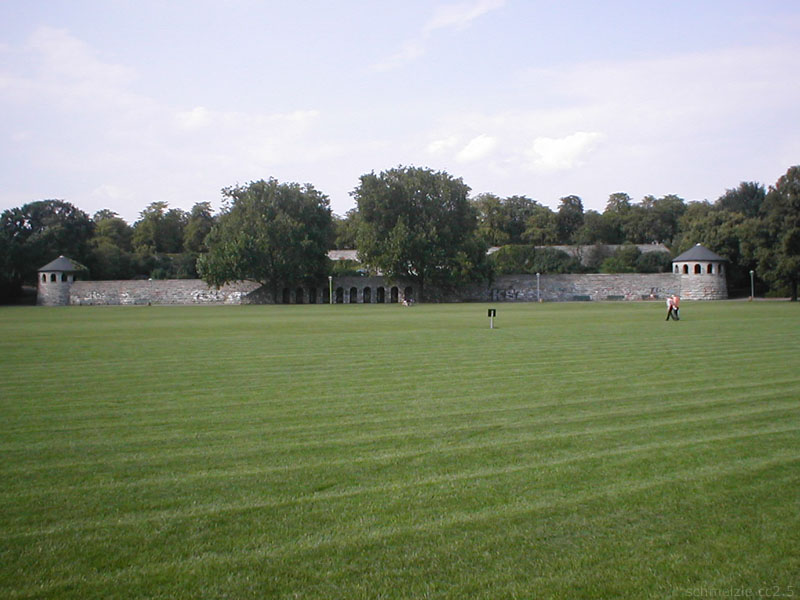
The Schillerpark in Berlin, located in the Wedding district, is an urban park that encompasses history, architecture, and green spaces, becoming a cultural and social reference point for the city. Inaugurated in 1913, the park was designed to offer an oasis of tranquility and beauty in a densely populated area.
The creation of Schillerpark dates back to the early 20th century, a period when Berlin was facing rapid urbanization and significant demographic growth. The park was conceived as part of a larger urban improvement project, aimed at providing green and recreational spaces for the city’s residents. The park’s name honors the famous German poet and playwright Friedrich Schiller, reflecting the cultural importance attributed to the place since its foundation.One of the most fascinating aspects of Schillerpark is the Schillerpark Estate, a modernist residential complex designed by architect Bruno Taut between 1924 and 1930. This estate represents a pioneering example of social housing, integrating principles of functional design with a special focus on the quality of life of the inhabitants. The houses are characterized by clean and geometric lines, colorful facades, and common green spaces, an innovation aimed at creating a healthy and communal environment.Taut’s project for the Schillerpark Estate reflected the influence of the modernist movement, with a focus on efficiency and practicality. The buildings feature distinctive elements such as flat roofs, large windows to ensure good natural lighting, and loggias that offer a direct connection to the outside. This approach was in stark contrast to the traditional closed apartment blocks of the time, marking a significant step forward in residential architecture.During World War II, the area suffered significant damage, but was subsequently rebuilt and restored in the 1950s. Today, the Schillerpark Estate is recognized as a UNESCO World Heritage Site, a recognition of its historical and architectural value. This recognition has helped preserve the integrity of the complex, ensuring that its unique features are maintained for future generations.Schillerpark itself is a place of great natural beauty and offers a variety of recreational activities for visitors. Well-kept lawns and majestic trees provide an ideal backdrop for relaxing walks, picnics, and outdoor activities. The park also hosts sports fields, playgrounds for children, and spaces for cultural events, making it a lively center of community activities.An interesting anecdote concerns Bruno Taut’s design philosophy, who firmly believed in the importance of bright colors and open environments to improve the quality of life of the inhabitants. Taut visited Amsterdam and Rotterdam in the 1920s, drawing inspiration from the works of his Dutch colleagues. He decided to use exposed red bricks and create large common green spaces, breaking with the architectural conventions of the time and introducing a more humanistic and inclusive approach to urban design.
Read More